
What is Alkylbenzene?
Alkylbenzenes are important compounds in the petrochemical industry, and they serve as precursors for the production of a wide range of chemicals, plastics, and synthetic materials. They are commonly used as solvents, in the manufacture of detergents, and in various industrial processes.
Alkylbenzene Usages
Alkylbenzenes find numerous applications in various industries due to their versatile properties. Some of the main usages of alkylbenzenes include:
1. Surfactants and Detergents: Alkylbenzenes, particularly Linear Alkylbenzenes (LABs), are used as key raw materials in the production of biodegradable surfactants and detergents. These compounds are widely employed in laundry detergents, dishwashing liquids, and other cleaning products.
2. Lubricants and Motor Oils: Alkylbenzenes are used as base oils in the formulation of lubricants and motor oils. They offer excellent lubricating properties and thermal stability, making them suitable for various automotive and industrial applications.
3. Solvents: Alkylbenzenes, such as toluene and xylenes, are commonly used as solvents in various applications, including paints, coatings, adhesives, and industrial processes.
4. Aromatics Production: Alkylbenzenes are essential intermediates in the production of aromatic compounds like phenols and cumene, which are used in the manufacture of various plastics, resins, and synthetic materials.
5. Polystyrene Production: Ethylbenzene is a critical raw material in the production of polystyrene, a versatile plastic used in packaging, construction materials, and various consumer goods.
6. Paints and Coatings: Alkylbenzenes are used in the formulation of paints and coatings due to their ability to dissolve various pigments and resins, providing better application and drying properties.
7. Printing Inks: Alkylbenzenes are used in the formulation of printing inks, where they serve as solvents to disperse colorants and help achieve the desired consistency and performance.
8. Pharmaceuticals: Some alkylbenzenes have applications in the pharmaceutical industry, either as active pharmaceutical ingredients (APIs) or as intermediates in the synthesis of pharmaceutical compounds.
9. Aromatic Hydrocarbons: Xylenes and ethylbenzene are used as feedstocks to produce other aromatic hydrocarbons, including terephthalic acid (used in polyester production) and benzene (used in various industrial processes).
10. Synthetic Rubber: Alkylbenzenes are used in the production of synthetic rubber, such as styrene-butadiene rubber (SBR), which finds applications in tire manufacturing and other rubber products.
These are just a few examples of the diverse range of applications for alkylbenzenes. Their availability, stability, and ability to act as intermediates in various chemical processes make them valuable compounds in the petrochemical industry and many downstream applications.
Alkylbenzene Grades
Alkylbenzene grades typically refer to different types or formulations of alkylbenzenes that may vary in their properties, purity, or specific applications. Linear Alkylbenzene (LAB) and Heavy Alkylbenzene (HAB) are two distinct types of alkylbenzene compounds used in various industrial applications. Let’s take a closer look at each:
1. Linear Alkylbenzene (LAB): Linear alkylbenzene is an alkylbenzene compound with a linear (straight-chain) alkyl group attached to the benzene ring. The most common type of LAB is derived from n-paraffins, which are straight-chain hydrocarbons obtained from the refining of crude oil or from natural gas.
The linear structure of the alkyl group in LAB gives it excellent detergency and emulsifying properties, making it a critical raw material in the production of biodegradable surfactants.
The primary use of LAB is in the production of linear alkylbenzene sulfonate (LAS), which is a major component in many household cleaning products, including laundry detergents, dishwashing liquids, and other cleaners. LAB-based surfactants are valued for their biodegradability, excellent cleaning performance, and low toxicity, making them environmentally friendly compared to some other surfactant alternatives.
2. Heavy Alkylbenzene (HAB): Heavy alkylbenzene is a specific type of alkylbenzene where the alkyl group attached to the benzene ring is relatively larger and heavier than that of LAB.
Heavy alkylbenzene is typically derived from the alkylation of benzene with heavier alkylating agents.
The increased size of the alkyl group imparts different properties to heavy alkylbenzene, making it suitable for specific industrial applications.
One of the primary uses of heavy alkylbenzene is as a high-quality transformer oil. The heavy alkylbenzene used in transformer oil is known for its excellent electrical insulating properties, thermal stability, and chemical resistance.
Transformer oil acts as a coolant and insulator in electrical transformers, ensuring efficient and safe operation. Both linear alkylbenzene and heavy alkylbenzene play crucial roles in various industries, with LAB being widely used in household cleaning products, and heavy alkylbenzene being essential in electrical and industrial applications as transformer oil.
Their distinct properties and characteristics make them valuable compounds in their respective fields.
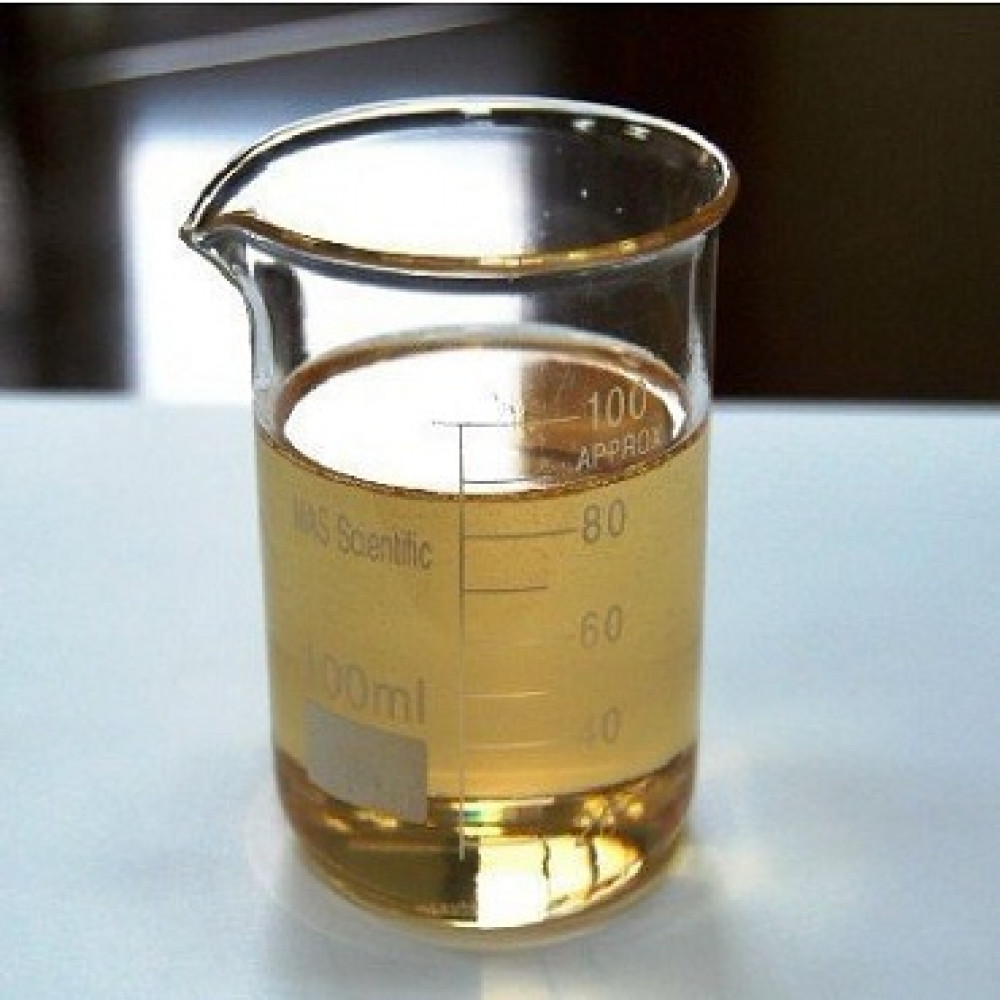
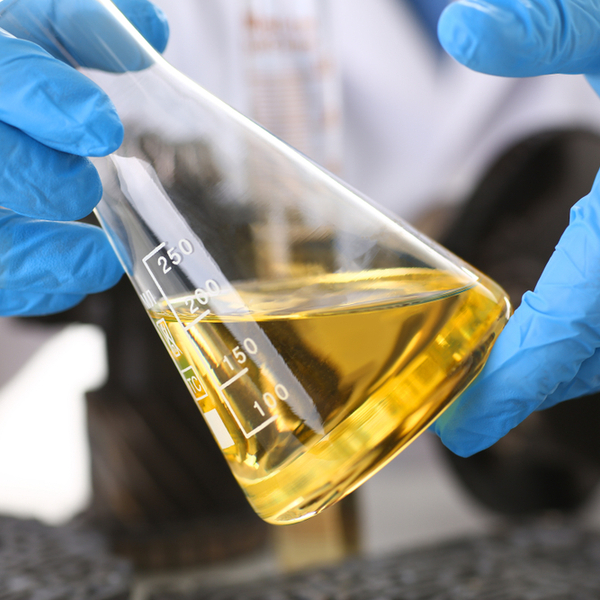
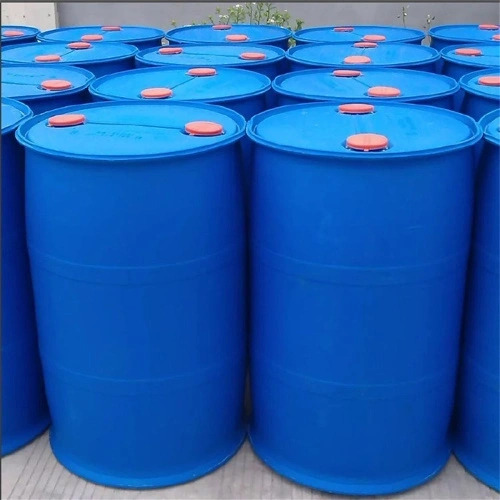
ESS Alkylbenzene Supplies
- Chemical Name: Linear Alkylbenzene (LAB)
- Chemical Formula: C6H5CnH2n+1, where “n” represents the number of carbon atoms in the alkyl chain.
- Appearance: Clear, colorless to pale yellow liquid
- Odor: Mild hydrocarbon-like odor
- Boiling Point: Approximately 330-400°C (626-752°F) for the various chain lengths.
- Density: Around 0.86-0.88 g/cm³ at 20°C (68°F)
- Flash Point: Typically above 100°C (212°F)
- Solubility: Insoluble in water but soluble in organic solvents like hydrocarbons.
LAB is mainly used in the production of linear alkylbenzene sulfonate (LAS), which is a versatile anionic surfactant with excellent cleaning and foaming properties. LAS is widely used in laundry detergents, dishwashing liquids, household cleaners, and industrial cleaning products.
The specifications of LAB are critical for ensuring the quality and performance of the final LAS product. The exact specifications may vary depending on the specific requirements of the end-use application. It is crucial to refer to the manufacturer’s product data sheet or technical specifications for the specific grade of linear alkylbenzene you are using to ensure compliance with your intended application and safety guidelines.
- Chemical Name: Heavy Alkylbenzene (HAB)
- Appearance: Clear, colorless liquid
- Density: Typically around 0.85-0.90 g/cm³ at 20°C (68°F)
- Boiling Point: Approximately 240-300°C (464-572°F)
- Flash Point: Typically above 100°C (212°F)
- Viscosity: Depending on the carbon chain length of the alkyl group, the viscosity can vary but is generally low for liquid hydrocarbons.
- Octane Rating: High octane rating, contributing to improved gasoline quality and performance.
- Sulfur Content: Low sulfur content, making it suitable for the production of clean and environmentally friendly fuels.
Heavy alkylbenzene is prized for its high octane rating, which improves the anti-knock properties of gasoline blends and allows for the production of higher-octane fuels. Its low sulfur content is also crucial in meeting stringent environmental regulations for fuel quality.
Due to its desirable properties, heavy alkylbenzene is commonly used as a blending component in premium gasoline, aviation gasoline (avgas), and other high-performance fuels. It contributes to increased engine efficiency, reduced emissions, and improved overall fuel performance.