What is Ethanol?
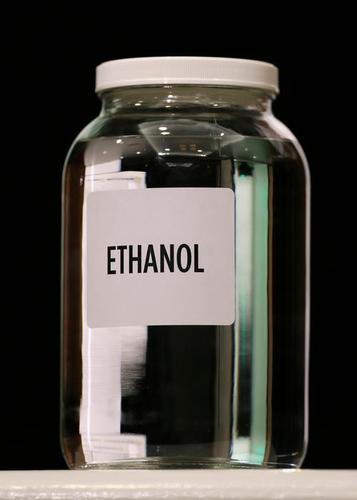
Ethanol, also known as ethyl alcohol, is a clear, colorless, volatile, and flammable liquid.
It is an organic compound and also Ethanol is the primary alcohol found in alcoholic beverages and is also used for various industrial, medical, and fuel purposes.
Key characteristics and uses of Ethanol:
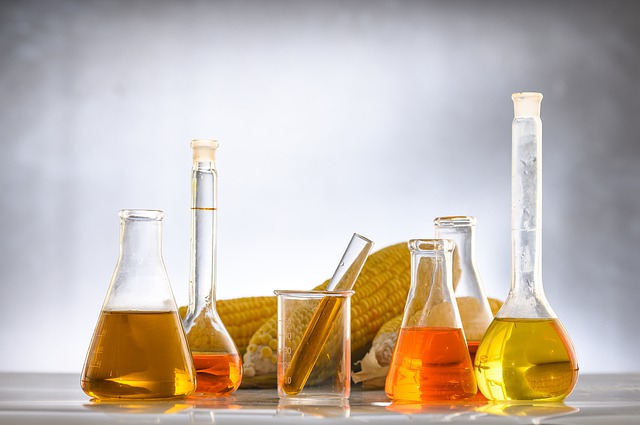
1. Source: Ethanol can be produced through the fermentation of sugars and starches by yeast or other microorganisms. It is commonly obtained from the fermentation of crops such as sugarcane, corn, wheat, and grapes.
2. Alcoholic Beverages: Ethanol is the intoxicating component in alcoholic drinks such as beer, wine, and spirits. It is responsible for the psychoactive effects associated with consuming alcoholic beverages.
3. Industrial Applications: Ethanol has numerous industrial uses, including as a solvent in the manufacture of various products such as paints, varnishes, perfumes, and cleaning agents. It is also used as a preservative and a carrier for flavors and fragrances.
4. Fuel: Ethanol can be used as a biofuel in blends with gasoline. Ethanol-gasoline blends, such as E10 (10% ethanol, 90% gasoline) and E85 (85% ethanol, 15% gasoline), are used in some countries to reduce greenhouse gas emissions and dependence on fossil fuels.
5. Antiseptic and Disinfectant: Ethanol is an effective antiseptic and disinfectant due to its ability to denature and destroy a wide range of microorganisms. It is commonly used as a hand sanitizer and in medical settings for disinfection purposes.
6. Medical and Pharmaceutical Uses: In the medical field, ethanol is used as a solvent in certain medications and is employed in some medical procedures. In pharmaceuticals, it is used to extract and preserve plant extracts and as a solvent in drug formulations.
7. Denatured Ethanol: Denatured ethanol is ethanol that has been rendered unfit for human consumption by adding denaturants. This form of ethanol is commonly used in industrial applications, as fuel, and for cleaning purposes.
8. Flammability: Ethanol is highly flammable and must be handled with care. It should be stored away from sources of ignition and used in well-ventilated areas.
Ethanol Grades
Ethanol grades refer to the purity or concentration of ethanol, and they are typically denoted by a percentage. The most common grades of ethanol include:
1. Denatured Ethanol: This is ethanol that contains small amounts of denaturants, which are substances added to make the ethanol unfit for human consumption.
Denatured ethanol is used in industrial applications, including solvents, cleaning agents, and fuel.
2. Absolute Ethanol: Also known as anhydrous ethanol, this grade of ethanol has the highest purity level available, typically around 99.5% to 99.9% ethanol by volume.
Absolute ethanol is often used in laboratories and some specialized industrial applications.
3. 95% Ethanol (Surgical Spirit or Rubbing Alcohol): This grade of ethanol contains 95% ethanol and 5% water. It is commonly used as an antiseptic for disinfecting wounds, skin, and surfaces.
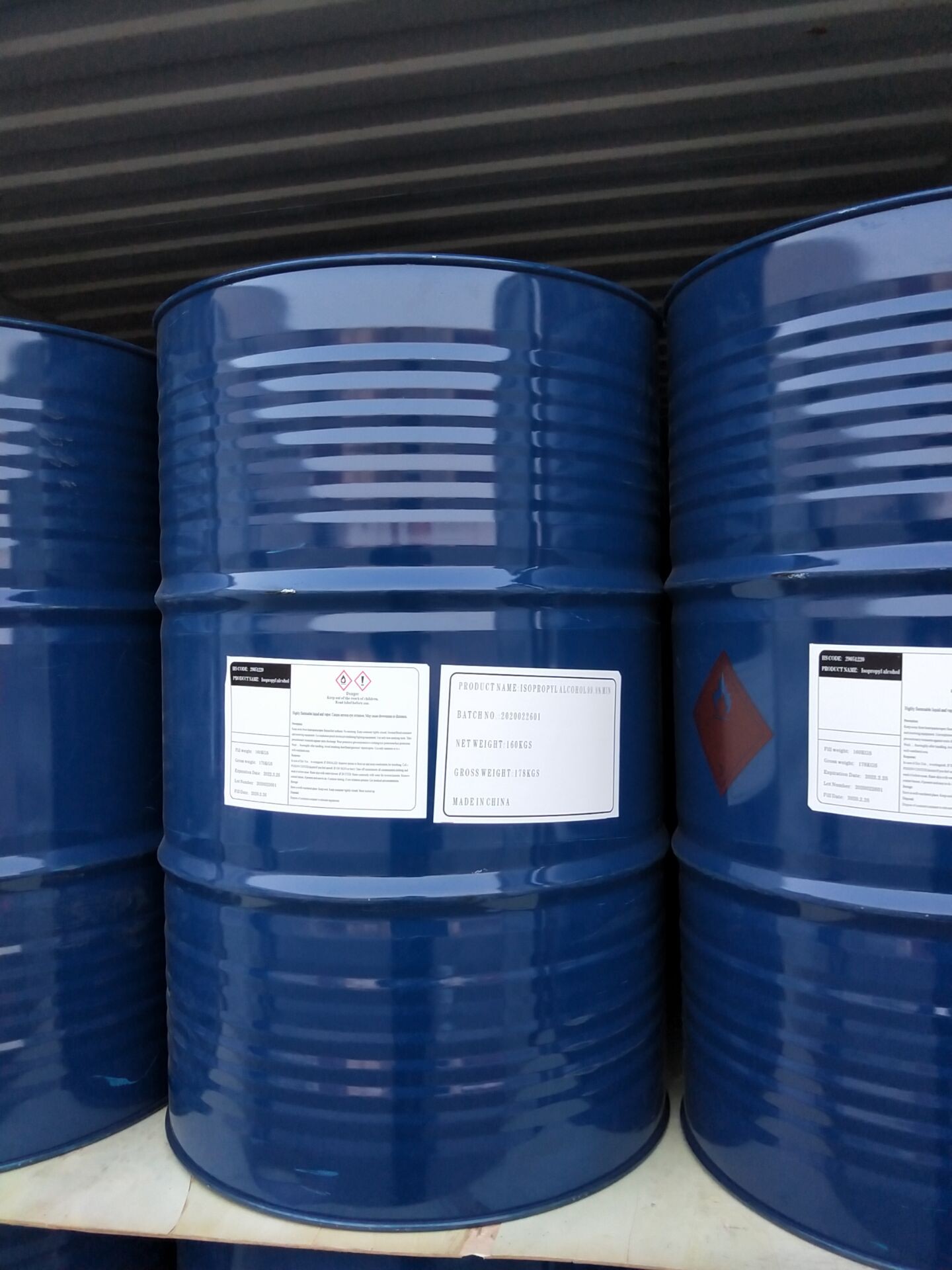
4. 70% Ethanol (Isopropyl Alcohol or Isopropanol): This grade of ethanol contains 70% ethanol and 30% water. It is widely used as a disinfectant and antiseptic in various settings, such as in healthcare, first aid, and general sanitation.
5. Food-Grade Ethanol: Ethanol used in food and beverage products, such as alcoholic beverages and flavor extracts, must meet specific purity standards to ensure it is safe for consumption.
It’s important to note that while ethanol is widely used in various applications, its use in high concentrations or in certain forms (such as denatured ethanol) may be regulated or restricted by local laws and regulations. When handling and using ethanol, it is essential to follow safety guidelines and adhere to local regulations to ensure safe and responsible use.