
What is Ethanolamine?
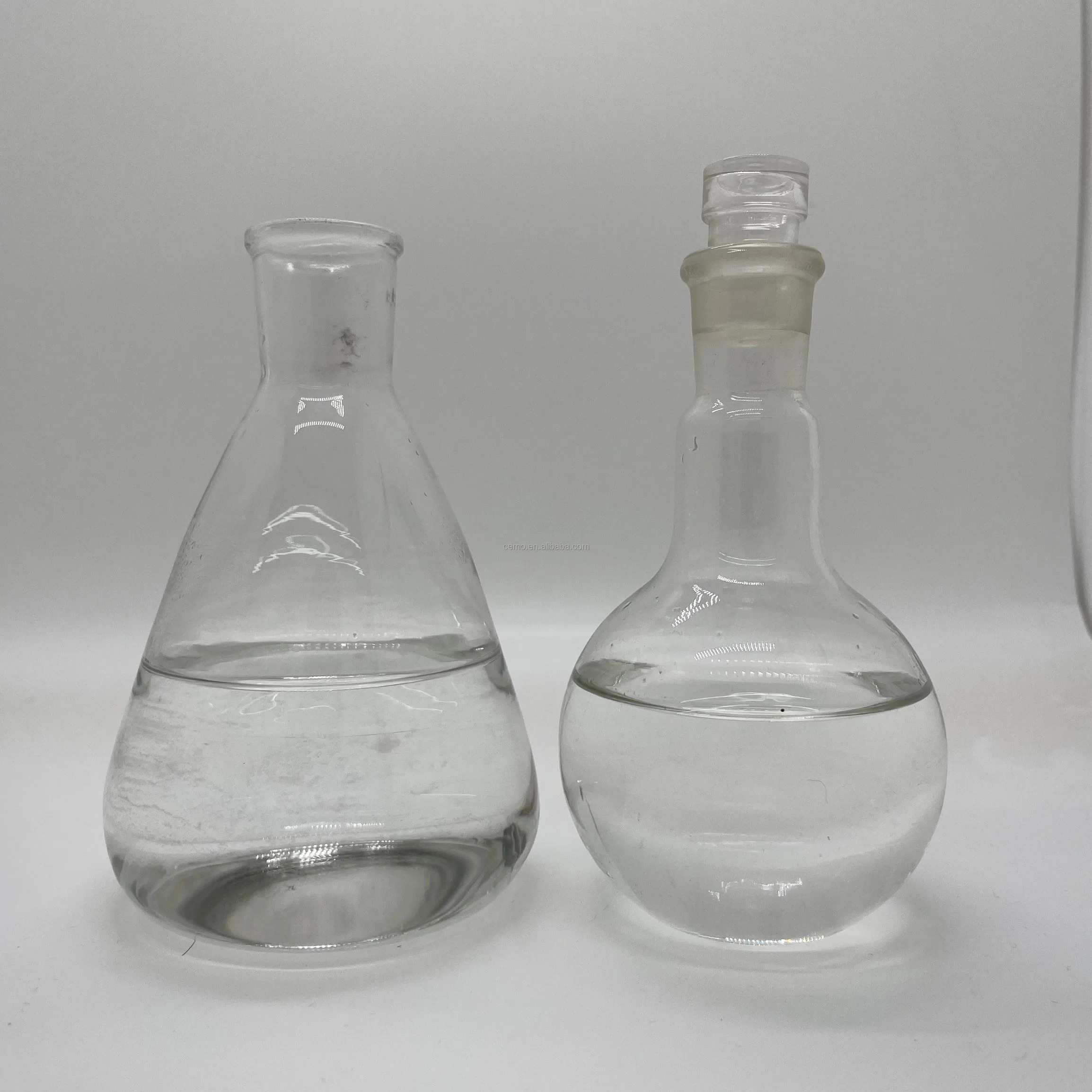
Ethanolamine is a clear, colorless, and viscous liquid with a strong ammonia-like odor. It is soluble in water and commonly used in various industrial applications and chemical processes.
Ethanolamine Usages
Some key uses of ethanolamine include:
1. Chemical Intermediates: Ethanolamine is a versatile chemical intermediate used in the production of various other compounds, such as detergents, surfactants, emulsifiers, and agricultural chemicals.
2. Gas Treating: Ethanolamine is used in gas processing and refining industries to remove acidic impurities, such as carbon dioxide (CO2) and hydrogen sulfide (H2S), from natural gas and other gases. This process is known as gas sweetening.
3. Corrosion Inhibition: Ethanolamine is used in metalworking fluids and as an additive to protect metal surfaces from corrosion.
4. Personal Care Products: Ethanolamine is found in some cosmetic and personal care products, such as shampoos and hair conditioners, due to its emulsifying and pH-adjusting properties.
5. Pharmaceuticals: Ethanolamine is used in certain medications, including some topical analgesics and antifungal treatments.
6. Cements and Concrete: Ethanolamine is sometimes used as a cement additive to improve the workability and set time of concrete.
7. Herbicides and Pesticides: Ethanolamine salts are used in the formulation of some herbicides and pesticides. It is essential to handle ethanolamine with care, as it is considered hazardous and can cause skin and eye irritation. Proper safety precautions and handling procedures should be followed when working with this compound.
Ethanolamine Grades
Ethanolamine, also known as Monoethanolamine (MEA), is commercially available in different grades based on its purity and intended use. The most common grades of ethanolamine include:
1. Technical Grade Ethanolamine: This is the standard grade of ethanolamine used in various industrial applications. It may contain impurities and is typically used in processes where high purity is not critical.
2. Pure or High Purity Ethanolamine: This grade of ethanolamine has a higher level of purity compared to technical grade ethanolamine. It is used in applications where a higher level of purity is required, such as in the production of pharmaceuticals or personal care products.
3. Triethanolamine (TEA): Triethanolamine is a related compound that contains three ethanolamine groups. It is often used as a surfactant and emulsifying agent in personal care products and in various industrial applications.
4. Diethanolamine (DEA): Diethanolamine contains two ethanolamine groups and is used in applications such as gas sweetening, surfactants, and corrosion inhibitors.
5. Ethanolamine Salts: Ethanolamine can form salts with various acids, resulting in compounds such as monoethanolamine phosphate (MEAP), monoethanolamine sulfate (MEAS), and others. These ethanolamine salts have specific applications in agriculture (herbicides and pesticides), pharmaceuticals, and chemical processes.
The choice of ethanolamine grade depends on the specific requirements of the application. For applications where higher purity and quality are critical, pure or high purity grades are preferred. In contrast, technical grade ethanolamine may be suitable for applications where impurities have less impact on the desired outcome.
When selecting an ethanolamine grade, it is important to consider factors such as purity, compatibility with other substances, and safety requirements. Manufacturers and suppliers typically provide specifications and certificates of analysis to indicate the grade and quality of the ethanolamine they offer.


ESS Ethanolamine Supplies
- Chemical Name: Monoethanolamine (MEA)
- Molecular Formula: C2H7NO
- Molecular Weight: Approximately 61.08 g/mol
- Appearance: Colorless to pale yellow liquid or solid, depending on the grade and purity.
- Odor: Ammonia-like odor
- Boiling Point: Approximately 170-172°C (338-342°F)
- Melting Point: Approximately 10.3-10.5°C (50.5-50.9°F) for the solid form.
- Density: Around 1.015 g/cm³ at 20°C (68°F) for the liquid form.
- Solubility: Highly soluble in water, ethanol, and acetone.
MEA is commonly used in various applications, including:
- Gas Treating: MEA is widely used in the gas industry for the removal of acidic gases, such as carbon dioxide (CO2) and hydrogen sulfide (H2S), from natural gas and other hydrocarbon streams in gas sweetening processes.
- Surfactants: MEA is used in the production of surfactants and detergents due to its ability to reduce surface tension and create stable emulsions.
- Pharmaceuticals: MEA is employed as a raw material in the synthesis of certain pharmaceuticals and drugs.
- Personal Care Products: MEA is used in cosmetic and personal care products, such as shampoos and hair dyes, as a pH adjuster and stabilizer.
- Textile Industry: MEA is used in dyeing and finishing processes in the textile industry.
- Chemical Name: Diethanolamine (DEA)
- Molecular Formula: C4H11NO2
- Molecular Weight: Approximately 105.14 g/mol
- Appearance: Colorless to pale yellow liquid or solid, depending on the grade and purity.
- Odor: Ammonia-like odor
- Boiling Point: Approximately 270-271°C (518-520°F)
- Melting Point: Approximately 28.3-28.5°C (82.9-83.3°F) for the solid form.
- Density: Around 1.096 g/cm³ at 20°C (68°F) for the liquid form.
- Solubility: Highly soluble in water, ethanol, and acetone.
DEA is commonly used in various applications, including:
- Surfactants: DEA is widely used in the production of surfactants and detergents. It acts as a foaming agent, emulsifier, and wetting agent.
- Gas Treating: Similar to MEA, DEA is also used in the gas industry for gas sweetening processes, where it removes acidic gases like carbon dioxide (CO2) and hydrogen sulfide (H2S) from natural gas and hydrocarbon streams.
- Textile Industry: DEA is used in textile processing as a pH adjuster, emulsifier, and softening agent.
- Metalworking Fluids: DEA is used in the formulation of metalworking fluids to improve their lubricating and cooling properties.
- Personal Care Products: DEA is used in various cosmetic and personal care products, such as shampoos, soaps, and lotions, as a foaming agent and emulsifier.
- Herbicides: DEA is used as an intermediate in the synthesis of certain herbicides.
- Chemical Name: Triethanolamine (TEA)
- Molecular Formula: C6H15NO3
- Molecular Weight: Approximately 149.19 g/mol
- Appearance: Colorless to pale yellow liquid, depending on the grade and purity.
- Odor: Ammonia-like odor
- Boiling Point: Approximately 335-340°C (635-644°F)
- Melting Point: Approximately 21.5-22.5°C (70.7-72.5°F) for the solid form.
- Density: Around 1.124 g/cm³ at 20°C (68°F) for the liquid form.
- Solubility: Highly soluble in water, ethanol, and acetone.
TEA is commonly used in various applications, including:
- Surfactants: TEA is widely used in the production of surfactants and detergents. It acts as an emulsifier, foaming agent, and wetting agent.
- Cosmetics and Personal Care Products: TEA is used in the formulation of cosmetic and personal care products such as lotions, creams, shampoos, and shaving creams as a pH adjuster, emulsifier, and thickener.
- Metalworking Fluids: TEA is used in metalworking fluids to improve their lubricating and cooling properties.
- Textile Industry: TEA is used in textile processing as a pH adjuster, emulsifier, and softening agent.
- Pharmaceuticals: TEA is used as an emulsifying agent in certain pharmaceutical formulations.
- Herbicides: TEA is used as an intermediate in the synthesis of certain herbicides.