
What is Ethylene Glycol?
Ethylene Glycol is a colorless, odorless, and sweet-tasting organic compound with the chemical formula C2H6O2. It is commonly known as a type of glycol and belongs to the family of diols or alcohol compounds with two hydroxyl (-OH) groups.
Ethylene Glycol Usages
Ethylene Glycol is the simplest member of the glycol family and is widely used in various industrial applications due to its unique properties, particularly its ability to dissolve many substances and its low freezing point. Some of its primary uses include:
1. Antifreeze and coolant: Ethylene Glycol is a key component of antifreeze and engine coolant formulations. It is added to the cooling systems of automobiles, aircraft, and other machinery to prevent the formation of ice and to lower the freezing point of water, allowing engines to operate in cold temperatures without freezing.
2. Deicing agent: Ethylene glycol is used as a deicing agent on aircraft and airport runways to melt ice and snow during winter weather conditions.
3. Heat transfer fluid: Due to its high boiling point and low freezing point, ethylene glycol is used as a heat transfer fluid in various industrial processes, including heating and cooling systems.
4. Chemical intermediate: Ethylene glycol is used as a raw material in the production of various chemicals, including polyester resins, polyethylene terephthalate (PET) plastics, and synthetic fibers.
5. Solvent: Ethylene glycol is a useful solvent for a variety of substances, including dyes, inks, paints, and plastics.
6. Humectant: It is used in certain personal care and cosmetic products as a humectant to retain moisture and prevent drying.
While ethylene glycol has various industrial applications, it is essential to handle it with care, as it can be toxic if ingested. Accidental ingestion of ethylene glycol can be harmful, even fatal, as it can lead to severe poisoning. For this reason, it is crucial to store and use ethylene glycol-based products safely and to follow proper disposal guidelines.
Ethylene Glycol Grades
There are different formulations and concentrations of ethylene glycol-based products used for various applications. Some common formulations include:
1. Monoethylene Glycol (MEG): This is the most common and widely used form of ethylene glycol. It is a pure compound and is used in antifreeze and coolant formulations, as a heat transfer fluid, and as a raw material in the production of polyester resins and fibers.
2. Diethylene Glycol (DEG): This is another type of glycol that is closely related to ethylene glycol. It is commonly used as a solvent, in chemical synthesis, and in the production of plastics and resins.
3. Triethylene Glycol (TEG): TEG is a higher molecular weight glycol with three hydroxyl groups. It is used as a desiccant and dehumidifying agent, as well as in gas dehydration processes and natural gas purification.
4. Inhibited Ethylene Glycol: This refers to ethylene glycol formulations that contain additives (inhibitors) to improve their performance and protect against corrosion in cooling systems.
5. Ethylene Glycol-based Coolants: These are specific formulations of ethylene glycol mixed with water and other additives to create engine coolant and antifreeze products suitable for automotive and industrial applications.
The specific formulation of ethylene glycol used in a given application depends on the requirements of that application, such as its freezing point, boiling point, and corrosion protection properties.
It’s important to note that while ethylene glycol itself is not graded, the products containing ethylene glycol, such as engine coolant or antifreeze, may have different grades or specifications based on their intended use and performance characteristics. Always refer to the product label and manufacturer’s instructions for proper usage and compatibility.

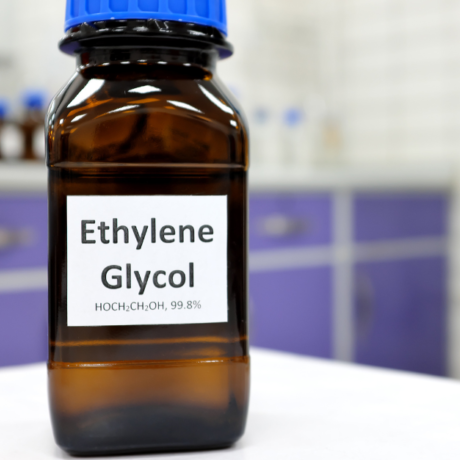
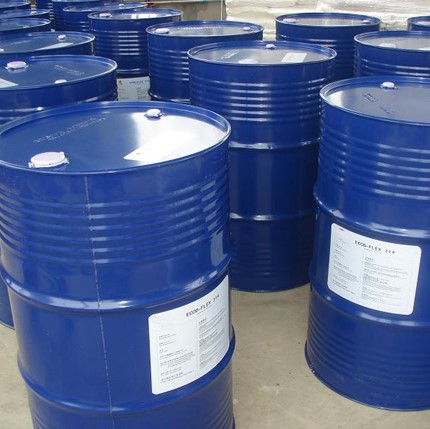
ESS Ethylene Glycol Supplies
- Chemical Formula: C2H6O2
- Molecular Weight: Approximately 62.07 g/mol
- Appearance: Clear, colorless liquid
- Purity: Industrial-grade MEG typically has a minimum purity of 99% or higher.
- Water Content: The maximum allowable water content is usually around 0.1% or lower.
- Boiling Point: The boiling point of MEG is approximately 197.3°C (387.14°F).
- Freezing Point: The freezing point of MEG is approximately -12.9°C (8.78°F).
- Density: The density of MEG is around 1.115 g/cm³ at 20°C (68°F).
- Viscosity: The viscosity of MEG is relatively low, making it a versatile liquid for various applications.
- Refractive Index: The refractive index of MEG is approximately 1.426 at 20°C (68°F).
- Flash Point: The flash point of MEG is typically above 110°C (230°F).
- Vapor Pressure: The vapor pressure of MEG is relatively low at ambient temperatures.
It’s important to note that different grades of MEG may have additional specifications or impurity limits to meet specific industry requirements. For example, fiber-grade MEG used in polyester production may have stricter purity requirements than industrial-grade MEG used in general applications.
- Chemical Formula: C4H10O3
- Molecular Weight: Approximately 106.12 g/mol
- Appearance: Clear, colorless liquid
- Purity: Industrial-grade DEG typically has a minimum purity of 99% or higher.
- Water Content: The maximum allowable water content is usually around 0.2% or lower.
- Boiling Point: The boiling point of DEG is approximately 245°C (473°F).
- Freezing Point: The freezing point of DEG is approximately -10°C (14°F).
- Density: The density of DEG is around 1.118 g/cm³ at 20°C (68°F).
- Viscosity: DEG has a higher viscosity compared to monoethylene glycol (MEG), but it is still relatively low, making it suitable for various applications.
- Refractive Index: The refractive index of DEG is approximately 1.447 at 20°C (68°F).
- Flash Point: The flash point of DEG is typically above 150°C (302°F).
- Vapor Pressure: The vapor pressure of DEG is relatively low at ambient temperatures.
DEG is hygroscopic, meaning it has the ability to absorb moisture from the air, which makes it a useful humectant in various applications.
- Chemical Formula: C6H14O4
- Molecular Weight: Approximately 150.17 g/mol
- Appearance: Clear, colorless liquid
- Purity: Industrial-grade TEG typically has a minimum purity of 99% or higher.
- Water Content: The maximum allowable water content is usually around 0.1% or lower.
- Boiling Point: The boiling point of TEG is approximately 285°C (545°F).
- Freezing Point: The freezing point of TEG is approximately -4°C (25°F).
- Density: The density of TEG is around 1.12 g/cm³ at 20°C (68°F).
- Viscosity: TEG has a higher viscosity compared to monoethylene glycol (MEG) and diethylene glycol (DEG), but it is still relatively low, making it suitable for various applications.
- Refractive Index: The refractive index of TEG is approximately 1.468 at 20°C (68°F).
- Flash Point: The flash point of TEG is typically above 150°C (302°F).
- Vapor Pressure: The vapor pressure of TEG is relatively low at ambient temperatures.
TEG is hygroscopic, like diethylene glycol (DEG) and monoethylene glycol (MEG), which means it has the ability to absorb moisture from the air.