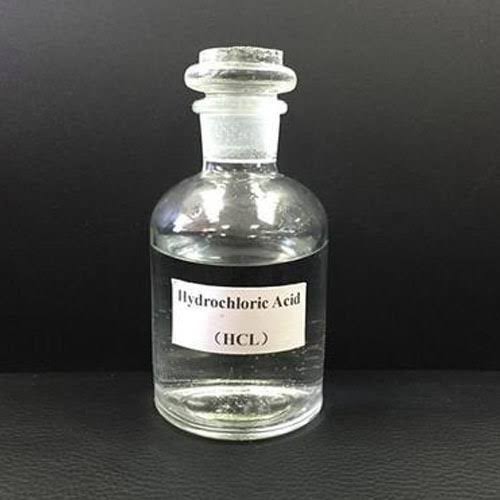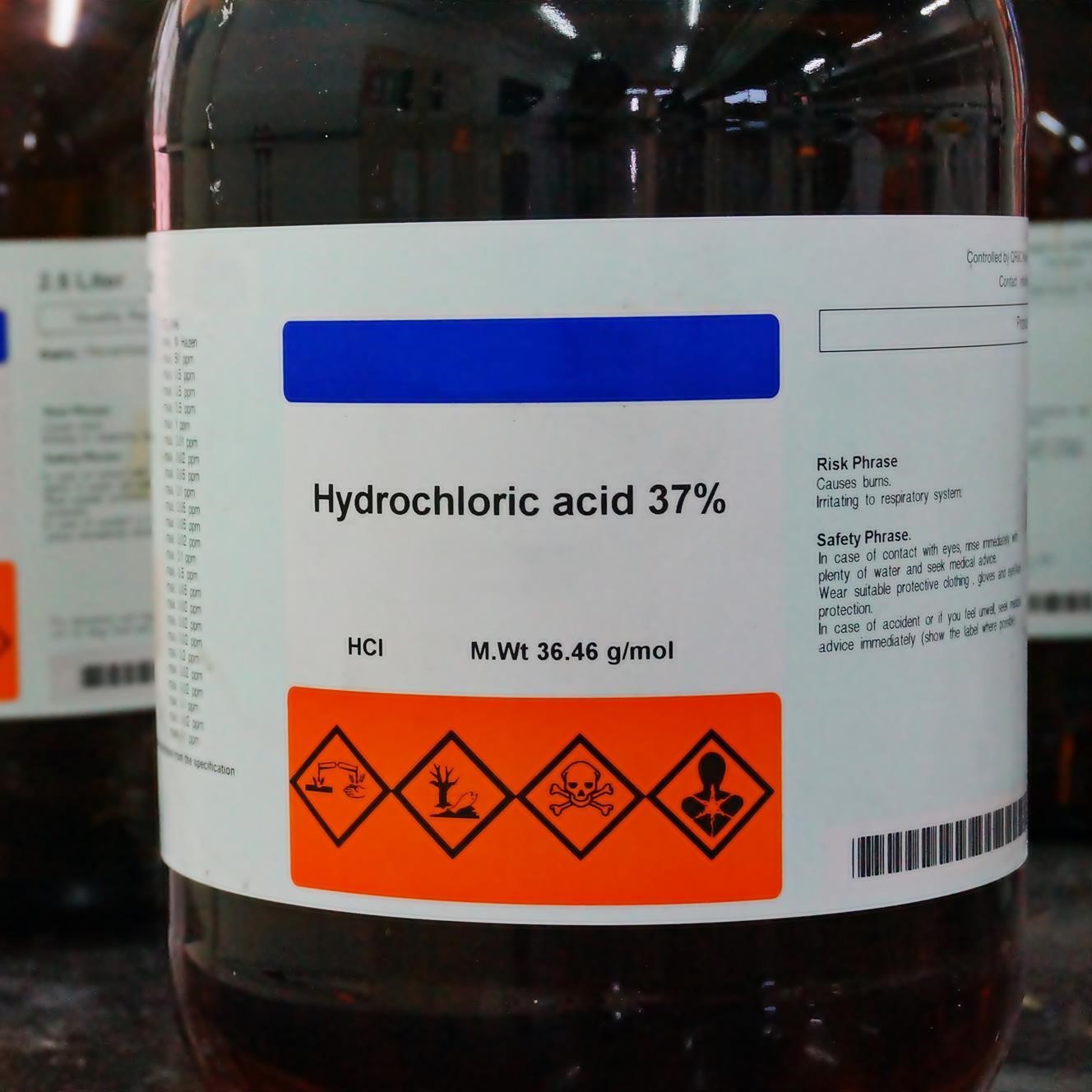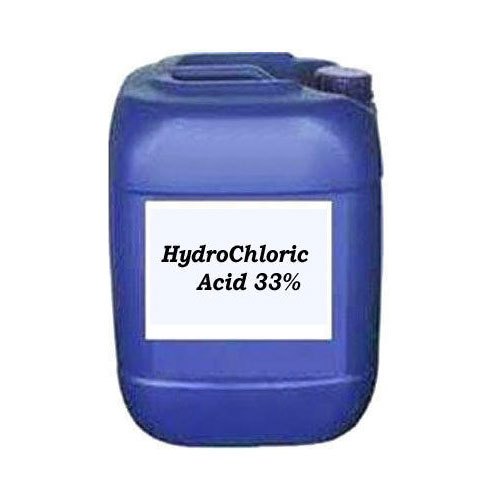
What is Hydrochloric Acid?
Hydrochloric acid (HCl) is a strong, colorless, and highly corrosive chemical compound.
It is a solution of hydrogen chloride gas dissolved in water, with a chemical formula of HCl.
Hydrochloric acid is one of the most common and important mineral acids and has a wide range of industrial and laboratory applications.
Key properties of hydrochloric acid:
1. Corrosive: Hydrochloric acid is highly corrosive and can cause severe burns and damage to skin, eyes, and respiratory organs upon contact.
2. Strong Acid: It is classified as a strong acid because it readily dissociates in water, releasing hydrogen ions (H+) and chloride ions (Cl-) to form an acidic solution.
3. pH: Hydrochloric acid has a low pH, usually close to 0, making it highly acidic.
Hydrochloric Acid Usages
Uses of hydrochloric acid:
1. Chemical Manufacturing: Hydrochloric acid is used in various chemical manufacturing processes, such as the production of chlorides, hydrochloride salts, and other industrial chemicals.
2. Steel Pickling: It is used in the steel industry for pickling or cleaning the surface of steel to remove scale and rust before further processing.
3. Regeneration of Ion Exchange Resins: Hydrochloric acid is used to regenerate ion exchange resins in water treatment systems.
4. pH Adjustment: It is used to adjust the pH of solutions in industrial processes and laboratories.
5. Cleaning and Descaling: Hydrochloric acid is used for cleaning and descaling surfaces, equipment, and industrial machinery.
6. Digestive Aid: In the medical field, diluted hydrochloric acid can be used as a supplement to assist in digestion.
Due to its strong corrosive nature, hydrochloric acid should be handled with extreme caution, and appropriate safety measures, such as wearing protective gear, should be taken when working with this chemical.
Hydrochloric Acid Grades
Hydrochloric Acid is available in different grades based on its concentration and purity.
The grades of hydrochloric acid are typically distinguished by the percentage of hydrogen chloride (HCl) in the solution.
Here are some common grades of hydrochloric acid:
1. Industrial Grade: Industrial-grade hydrochloric acid is the most commonly available grade and is used in various industrial applications.
It typically has a concentration ranging from approximately 30% to 38% HCl. This grade is used in processes such as steel pickling, pH adjustment in industrial settings, and chemical manufacturing.
2. Commercial Grade: Commercial-grade hydrochloric acid is similar to industrial grade and may have a concentration ranging from 20% to 30% HCl. It is used in cleaning and descaling applications, water treatment, and as a laboratory reagent.
3. Reagent Grade: Reagent-grade hydrochloric acid has higher purity compared to industrial and commercial grades.
It usually has a concentration of around 37% to 38% HCl and is commonly used in laboratory settings for analytical purposes and chemical experiments.
4. Food Grade: Food-grade hydrochloric acid is manufactured to meet the safety and purity standards set by food regulatory authorities.
It is used in certain food processing applications, but its use is limited due to its strong corrosive nature.
5. Trace Metal Grade: Trace metal-grade hydrochloric acid is specially prepared to have very low levels of impurities, particularly metals.
It is used in analytical chemistry and trace metal analysis where high purity is crucial.
When using hydrochloric acid, it’s essential to choose the appropriate grade based on the specific application and requirements. It’s important to handle hydrochloric acid with extreme care, as it is a highly corrosive and reactive substance that can cause severe burns and other health hazards. Proper safety measures and protective equipment should be used when working with hydrochloric acid to ensure safe handling and usage.