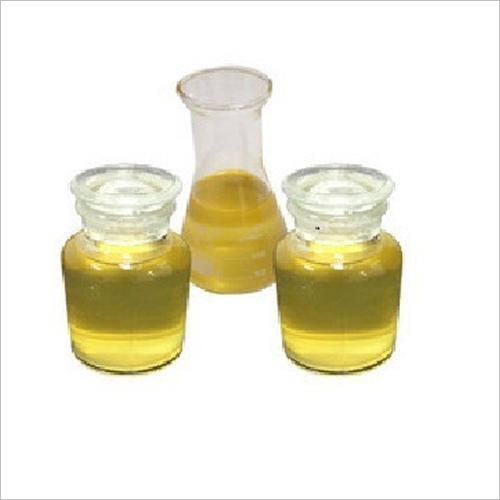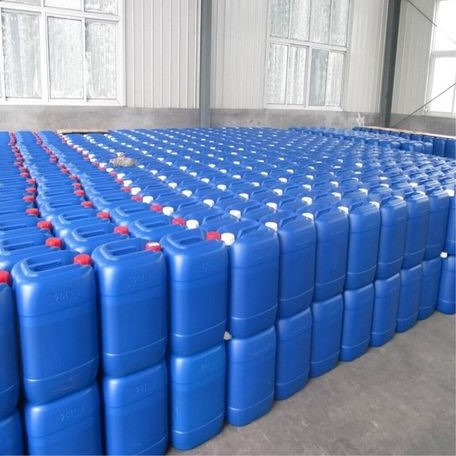
What is Methylene Diisocyanate ?
MDI stands for Methylene Diphenyl Diisocyanate. It is an organic compound with the chemical formula C15H10N2O2. MDI is a diisocyanate, meaning it contains two isocyanate functional groups (NCO) in its molecular structure.
Similar to Toluene Diisocyanate (TDI), MDI is a crucial building block in the production of polyurethane polymers.
MDI is derived from the reaction of aniline with formaldehyde to produce methylene diphenyl diamine (MDA).
MDA is then converted into MDI by phosgenation, which involves reacting MDA with phosgene.
Methyl Diisocyanate (MDI) Usages
MDI is used in the manufacturing of a wide range of polyurethane products, including:
1. Rigid Foams: MDI-based formulations are used in the production of rigid polyurethane foams, which are used as insulation materials in construction, appliances, and refrigeration equipment.
2. Flexible Foams: MDI is used in the production of flexible polyurethane foams, which are widely used in furniture, automotive seating, and bedding applications.
3. Coatings and Adhesives: MDI-based polyurethane coatings and adhesives are used for various surfaces, providing protection and adhesion in industries such as automotive, construction, and electronics.
4. Elastomers: MDI-based polyurethane elastomers are used in applications that require excellent mechanical properties, such as in automotive suspension components, industrial seals, and rollers.
Methyl Diisocyanate (MDI) Grades
MDI is available in various grades and isomers, similar to TDI, to cater to different applications and performance requirements.
Like all diisocyanates, MDI should be handled with care due to its reactivity and potential health hazards. Proper safety precautions and handling procedures should be followed during its storage, transportation, and use to ensure safe working conditions. Methylene Diphenyl Diisocyanate (MDI) is available in different grades based on its purity, isomer composition, and specific applications.
The main grades of MDI include:
1. Pure MDI: This grade of MDI consists predominantly of the 4,4′-Methylene diphenyl diisocyanate isomer (4,4′-MDI). It is used in applications where the properties of the 4,4′-isomer are preferred, such as in the production of high-performance polyurethane elastomers and adhesives.
2. Modified MDI: Modified MDI is a blend of 4,4′-MDI and small amounts of other isomers, such as 2,4′-MDI. This grade offers a balance of properties and is commonly used in applications like rigid and flexible polyurethane foams, coatings, and adhesives.
3. Polymeric MDI: Polymeric MDI is a higher molecular weight MDI that is used in the production of rigid polyurethane foams with improved properties, including better dimensional stability and insulation performance.
4. Crude MDI: Crude MDI is a mixture of MDI isomers, by-products, and impurities formed during the MDI manufacturing process. It requires further purification and separation before being used in specific applications.
5. Prepolymers: MDI can also be formulated into prepolymers, where the isocyanate groups are partially reacted with polyols. Prepolymers are used in applications where a controlled release of isocyanate groups is required during the final polymerization process.
The choice of MDI grade depends on the desired properties of the final product and the specific application requirements. Different industries and applications may require specific MDI grades with varying levels of purity, reactivity, and isomer content. It is important to handle MDI with care, as it is a reactive chemical and can pose health and safety risks if not handled properly. Safety guidelines and handling procedures should be strictly followed when working with MDI to ensure a safe working environment.