What is Oleic Acid?
Oleic acid is a monounsaturated fatty acid, and it is one of the most common and important fatty acids found in nature.
It is classified as an omega-9 fatty acid due to the position of its double bond, which is nine carbon atoms away from the methyl end of the carbon chain. The chemical formula of oleic acid is C18H34O2.
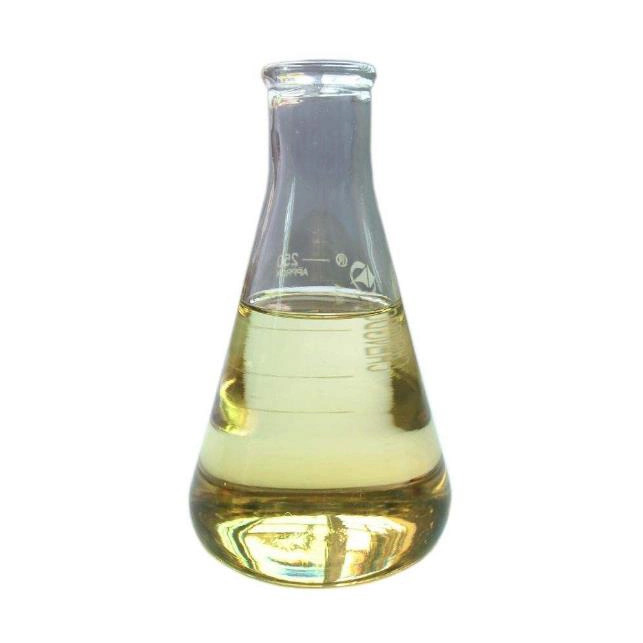
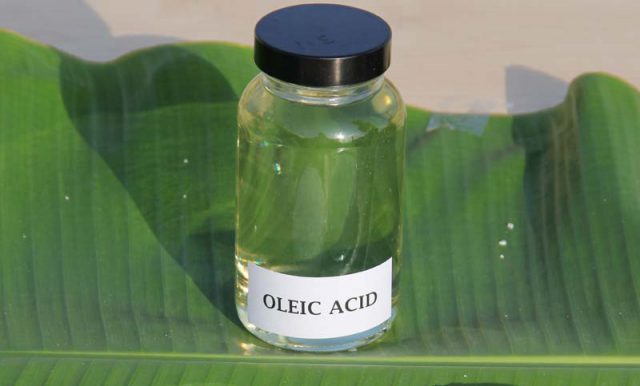
Oleic acid is a colorless or pale yellow, oily liquid at room temperature, and it is found in various vegetable and animal fats and oils.
Some significant natural sources of oleic acid include olive oil, sunflower oil, canola oil, peanut oil, and avocados.
It is also present in various animal fats like tallow and lard.
Oleic Acid Usages and Key Characteristics
Key characteristics and uses of oleic acid:
1. Unsaturated Fatty Acid: Oleic acid has one double bond in its carbon chain, making it a monounsaturated fatty acid.
This double bond gives it certain health benefits, such as promoting heart health by reducing bad cholesterol levels.
2. Edible and Nutritional: Oleic acid is considered a healthy fat and is an essential component of a balanced diet.
It is commonly used in cooking oils and food products due to its nutritional properties.
3. Emulsifier and Surfactant: Oleic acid is used in the production of emulsifiers and surfactants, which are substances that help mix oil and water-based ingredients in various products like cosmetics, pharmaceuticals, and industrial applications.
4. Personal Care Products: Oleic acid is found in many personal care products like soaps, lotions, and cosmetics due to its emollient properties that help soften and moisturize the skin.
5. Industrial Applications: Oleic acid is used in various industrial applications, such as in the production of lubricants, metalworking fluids, and in the synthesis of other chemicals.
Oleic acid is a versatile and important fatty acid with a wide range of applications in various industries. It is considered beneficial for health when consumed as part of a balanced diet, but like all dietary fats, it should be consumed in moderation.
Oleic Acid Grades
Oleic acid is a natural fatty acid, and it is typically not classified into different grades like synthetic chemicals.
Instead, oleic acid is generally available in its natural form with a consistent chemical composition, regardless of its source.
However, the purity and concentration of oleic acid can vary slightly depending on the source and extraction method.
Oleic acid is commonly found in various vegetable oils, such as olive oil, sunflower oil, canola oil, and others.
The percentage of oleic acid in these oils can differ based on the type of oil and its processing. For example, olive oil is known to have a high percentage of oleic acid, which is one of the reasons it is considered a healthy fat.
On the other hand, sunflower oil contains a lower percentage of oleic acid but higher amounts of linoleic acid, making it a good source of omega-6 fatty acids.
When purchasing oleic acid for specific applications, it’s essential to consider the source and concentration to ensure it meets the requirements of the intended use. In many cases, the natural oleic acid found in vegetable oils is used without further purification or grading, as it is already present in a suitable form for various applications in the food, cosmetic, and industrial sectors.