
What is Polyethylene Glycol?
PEG stands for Polyethylene Glycol, which is a versatile and water-soluble polymer. It is composed of repeating units of ethylene oxide, and its chemical structure can be represented as H-(O-CH2-CH2)n-OH, where “n” represents the number of ethylene oxide units in the chain.
Polyethylene Glycol Usages
PEG is widely used in various industries and applications due to its unique properties, such as water solubility, biocompatibility, and low toxicity. It is available in different grades or molecular weights, each serving specific purposes in different industries.
PEG finds applications in pharmaceuticals, personal care products, food additives, industrial processes, and medical and biotechnological applications.
It is commonly used as a solvent, lubricant, humectant, and stabilizer, among other roles. As with any chemical substance, handling PEG requires proper safety precautions and adherence to guidelines and regulations to ensure safe usage.
Polyethylene Glycol Grades
Polyethylene Glycol (PEG) is available in various grades or molecular weights, which are designated by numbers that represent the average molecular weight of the polymer.
Different grades of PEG offer distinct properties and are suited for specific applications. Here are some common grades of polyethylene glycol:
1. PEG 200: This grade has an average molecular weight of around 200 g/mol. It is a low molecular weight liquid PEG and is commonly used as a solvent, lubricant, or humectant in various applications.
2. PEG 300: With an average molecular weight of approximately 300 g/mol, PEG 300 is another low molecular weight liquid PEG, often used as a solvent in pharmaceuticals and as a chemical intermediate.
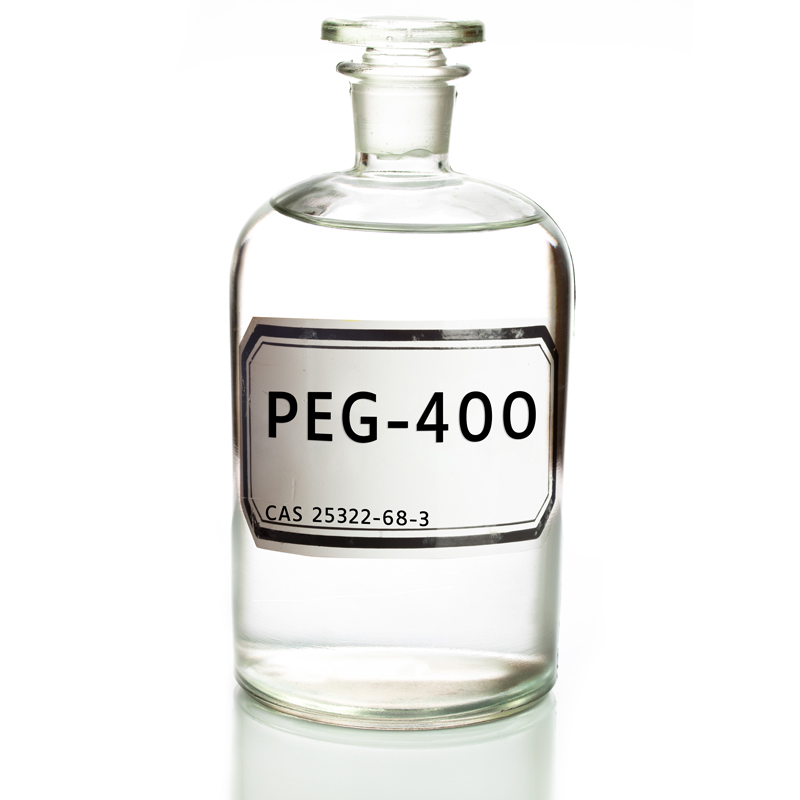
3. PEG 400: PEG 400 has an average molecular weight of about 400 g/mol. It is a widely used grade in pharmaceuticals, personal care products, and industrial applications as a solvent, plasticizer, or humectant.
4. PEG 600: This grade has an average molecular weight of around 600 g/mol and is utilized in various applications, including as a lubricant, emulsifier, or stabilizer in pharmaceuticals and personal care products.
5. PEG 1000: With an average molecular weight of about 1000 g/mol, PEG 1000 is a higher molecular weight PEG. It is used in the formulation of creams, ointments, and other personal care products.
6. PEG 1500: PEG 1500 has an average molecular weight of approximately 1500 g/mol. It is employed in pharmaceuticals, as a plasticizer, and as a mold-release agent in the production of various materials.
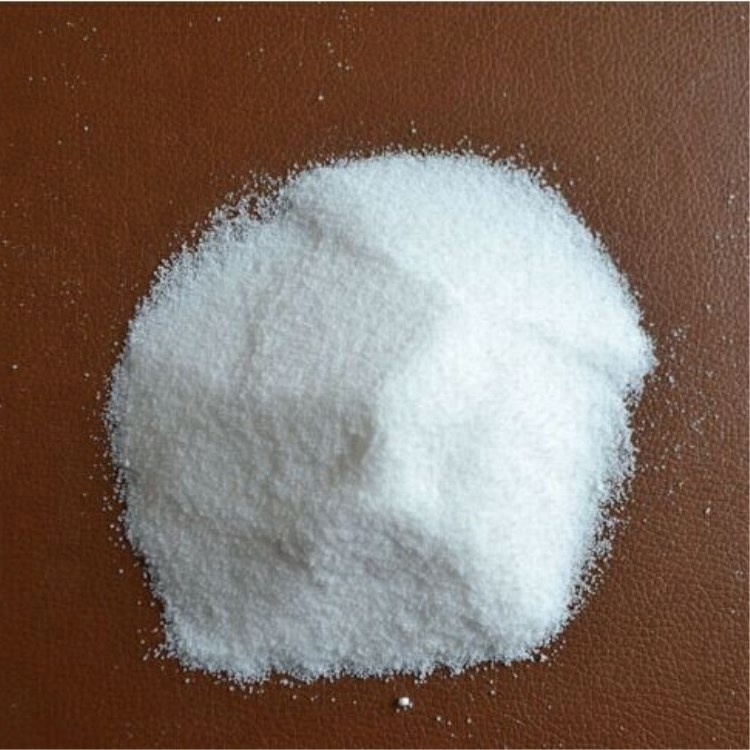
7. PEG 4000: This grade has an average molecular weight of around 4000 g/mol. It is often used as a binder, lubricant, or matrix material in pharmaceuticals and in the preparation of solid dispersions.
8. PEG 6000: PEG 6000 has an average molecular weight of about 6000 g/mol. It is used in various industrial applications, such as in the production of adhesives and in the textile industry.
9. PEG 8000: With an average molecular weight of approximately 8000 g/mol, PEG 8000 is a higher molecular weight solid PEG. It is commonly used in the pharmaceutical industry for drug delivery applications and as a matrix material in solid dispersions.
It’s important to note that these are just some examples of common PEG grades, and there are many other grades available with different molecular weights. The choice of the appropriate PEG grade depends on the specific application and desired properties. Additionally, PEGs with higher molecular weights tend to have higher viscosities and solidify at room temperature, while lower molecular weight PEGs remain liquid.
ESS Polyethylene Glycol (PEG) Supplies
- Chemical Name: Polyethylene Glycol 200
- Molecular Formula: (C2H4O)n
- Molecular Weight: Approximately 200 g/mol (average)
- Appearance: Clear, colorless liquid
- Odor: Odorless
- Density: Around 1.12 g/cm³ at 25°C (77°F)
- Boiling Point: Approximately 240-280°C (464-536°F)
- Melting Point: Approximately -15°C (5°F)
- Viscosity: Highly viscous liquid
- Solubility: PEG 200 is highly soluble in water and many organic solvents.
PEG 200 is commonly used in various applications, including:
- Cosmetics and personal care products as a humectant, solvent, and viscosity regulator.
- Pharmaceutical formulations as a solubility enhancer, binder, and lubricant.
- Industrial processes as a surfactant, emulsifier, and anti-foaming agent.
- In the production of adhesives, lubricants, and plasticizers.
- Chemical Name: Polyethylene Glycol 400
- Molecular Formula: (C2H4O)n
- Molecular Weight: Approximately 400 g/mol (average)
- Appearance: Clear, colorless liquid
- Odor: Odorless
- Density: Around 1.12 g/cm³ at 25°C (77°F)
- Boiling Point: Approximately 240-280°C (464-536°F)
- Melting Point: Approximately -8°C (17.6°F)
- Viscosity: Highly viscous liquid
- Solubility: PEG 400 is highly soluble in water and many organic solvents.
PEG 400 is commonly used in various applications, including:
- Cosmetics and personal care products as a humectant, solvent, and viscosity regulator.
- Pharmaceutical formulations as a solubility enhancer, binder, and lubricant.
- Industrial processes as a surfactant, emulsifier, and anti-foaming agent.
- In the production of adhesives, lubricants, and plasticizers.
- Chemical Name: Polyethylene Glycol 600
- Molecular Formula: (C2H4O)n
- Molecular Weight: Approximately 600 g/mol (average)
- Appearance: Clear, colorless liquid
- Odor: Odorless
- Density: Around 1.125 g/cm³ at 25°C (77°F)
- Boiling Point: Approximately 240-280°C (464-536°F)
- Melting Point: Approximately -10°C (14°F)
- Viscosity: Highly viscous liquid
- Solubility: PEG 600 is highly soluble in water and many organic solvents.
PEG 600 is commonly used in various applications, including:
- Cosmetics and personal care products as a humectant, solvent, and viscosity regulator.
- Pharmaceutical formulations as a solubility enhancer, binder, and lubricant.
- Industrial processes as a surfactant, emulsifier, and anti-foaming agent.
- In the production of adhesives, lubricants, and plasticizers.
- Chemical Name: Polyethylene Glycol 1000
- Molecular Formula: (C2H4O)n
- Molecular Weight: Approximately 1000 g/mol (average)
- Appearance: Clear, colorless liquid
- Odor: Odorless
- Density: Around 1.125 g/cm³ at 25°C (77°F)
- Boiling Point: Approximately 240-280°C (464-536°F)
- Melting Point: Approximately -15°C (5°F)
- Viscosity: Highly viscous liquid
- Solubility: PEG 1000 is highly soluble in water and many organic solvents.
PEG 1000 is commonly used in various applications, including:
- Cosmetics and personal care products as a humectant, solvent, and viscosity regulator.
- Pharmaceutical formulations as a solubility enhancer, binder, and lubricant.
- Industrial processes as a surfactant, emulsifier, and anti-foaming agent.
- In the production of adhesives, lubricants, and plasticizers.
- Chemical Name: Polyethylene Glycol 1500
- Molecular Formula: (C2H4O)n
- Molecular Weight: Approximately 1500 g/mol (average)
- Appearance: Clear, colorless liquid
- Odor: Odorless
- Density: Around 1.13 g/cm³ at 25°C (77°F)
- Boiling Point: Approximately 240-280°C (464-536°F)
- Melting Point: Approximately -8°C (17.6°F)
- Viscosity: Highly viscous liquid
- Solubility: PEG 1500 is highly soluble in water and many organic solvents.
PEG 1500 is commonly used in various applications, including:
- Cosmetics and personal care products as a humectant, solvent, and viscosity regulator.
- Pharmaceutical formulations as a solubility enhancer, binder, and lubricant.
- Industrial processes as a surfactant, emulsifier, and anti-foaming agent.
- In the production of adhesives, lubricants, and plasticizers.
- Chemical Name: Polyethylene Glycol 4000
- Molecular Formula: (C2H4O)n
- Molecular Weight: Approximately 4000 g/mol (average)
- Appearance: Clear, colorless solid or semi-solid substance
- Odor: Odorless
- Melting Point: Approximately 55-60°C (131-140°F)
- Solubility: PEG 4000 is highly soluble in water and many organic solvents.
PEG 4000 is commonly used in various applications, including:
- Pharmaceutical formulations as a binder, stabilizer, and solubility enhancer.
- In the production of adhesives and lubricants.
- As a component in cosmetics and personal care products.
- In industrial applications as a surfactant, emulsifier, and dispersant.
- Chemical Name: Polyethylene Glycol 6000
- Molecular Formula: (C2H4O)n
- Molecular Weight: Approximately 6000 g/mol (average)
- Appearance: Clear, colorless solid or semi-solid substance
- Odor: Odorless
- Melting Point: Approximately 58-64°C (136.4-147.2°F)
- Solubility: PEG 6000 is highly soluble in water and many organic solvents.
PEG 6000 is commonly used in various applications, including:
- Pharmaceutical formulations as a binder, stabilizer, and solubility enhancer.
- In the production of adhesives and lubricants.
- As a component in cosmetics and personal care products.
- In industrial applications as a surfactant, emulsifier, and dispersant.
- As a thickening agent in some food and beverage products.
- Chemical Name: Polyethylene Glycol 8000
- Molecular Formula: (C2H4O)n
- Molecular Weight: Approximately 8000 g/mol (average)
- Appearance: Clear, colorless solid or semi-solid substance
- Odor: Odorless
- Melting Point: Approximately 60-65°C (140-149°F)
- Solubility: PEG 8000 is highly soluble in water and many organic solvents.
PEG 8000 is commonly used in various applications, including:
- Pharmaceutical formulations as a binder, stabilizer, and solubility enhancer.
- In the production of adhesives and lubricants.
- As a component in cosmetics and personal care products.
- In industrial applications as a surfactant, emulsifier, and dispersant.
- As a thickening agent in some food and beverage products.