What is SBS?
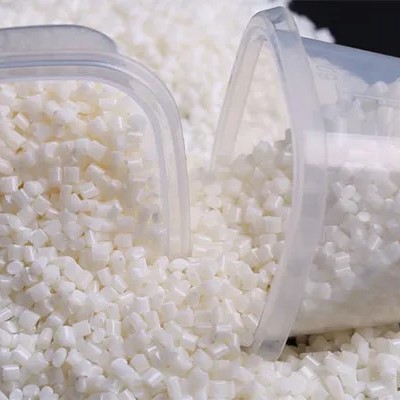
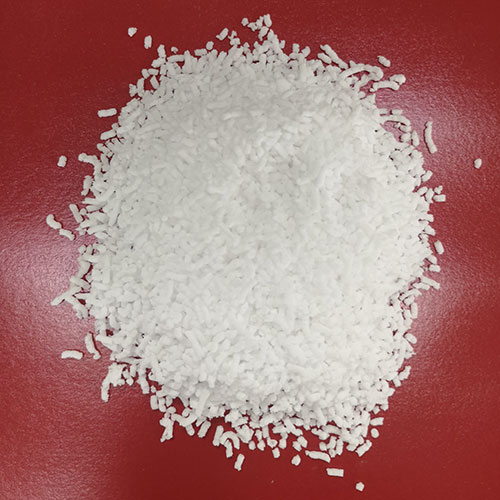
SBS stands for Styrene Butadiene Styrene, which is a type of synthetic rubber.
It is a copolymer, meaning it is composed of two different monomers, in this case, styrene and butadiene.
SBS is a versatile material that combines the properties of both rubber and plastic, making it useful in a wide range of applications.
The styrene component provides hardness, rigidity, and good processability to the SBS,
while the butadiene component contributes elasticity, flexibility, and excellent impact resistance.
The combination of these properties results in a material with good mechanical strength, toughness, and the ability to recover its original shape after deformation.
SBS Usages
Some common uses of SBS include:
1. Asphalt Modification: SBS is used as a modifier for asphalt to improve its properties, such as increased elasticity and resistance to temperature variations. This modified asphalt is commonly used in road construction and roofing materials.
2. Footwear: SBS is used in the production of shoe soles and other components due to its cushioning and abrasion-resistant properties.
3. Adhesives and Sealants: SBS is used in the formulation of adhesives and sealants due to its good bonding strength and flexibility.
4. Polymer Modification: SBS is used as a modifier for other polymers to enhance their properties, such as impact resistance and flexibility.
5. Packaging: SBS is used in the production of flexible packaging materials like films and sheets due to its toughness and good barrier properties.
6. Consumer Products: SBS is used in various consumer products such as toys, sporting goods, and household items where flexibility and impact resistance are required.
SBS is a versatile and widely used material in various industries due to its unique combination of rubber-like and plastic-like properties.
Its ability to be easily processed through various methods, such as extrusion, injection molding, and blow molding, further enhances its applicability in different manufacturing processes.
SBS Grades
SBS (Styrene Butadiene Styrene) is available in different grades based on its specific properties and intended applications.
The grades of SBS can vary depending on the manufacturer and the specific formulation. Here are some common SBS grades:
1. General-Purpose SBS: This is the most commonly used grade of SBS and offers a good balance of properties, including flexibility, impact resistance, and processability.
It is used in a wide range of applications, including footwear, adhesives, polymer modification, and packaging.
2. High-Impact SBS: This grade of SBS is modified to enhance its impact resistance even further.
It is used in applications that require increased toughness and durability, such as in high-performance footwear and impact-resistant components.
3. High-Styrene SBS: High-styrene SBS contains a higher proportion of the styrene component compared to the butadiene component.
It offers improved hardness and rigidity, making it suitable for applications where increased stiffness is required.
4. Oil-Extended SBS: Oil-extended SBS is a grade in which a portion of the polymer is replaced with mineral oil.
This modification can improve the processing characteristics of the SBS and make it easier to handle during production.
5. Extrusion Grade SBS: This grade is specifically formulated for extrusion processes and is commonly used to produce films, sheets, and other extruded products.
6. Injection Molding Grade SBS: This grade is tailored for injection molding processes and is used to produce molded components like shoe soles and other molded parts.
The specific properties and characteristics of each SBS grade are designed to meet the requirements of different industries and applications.
Manufacturers may also offer custom grades based on specific customer needs and performance specifications.
When choosing an SBS grade for a particular application, it’s important to consider the desired properties, processing requirements, and end-use conditions to ensure the optimal performance and functionality of the final product.