
What is Sodium Hypochlorite?
Sodium Hypochlorite is a chemical compound with the chemical formula NaClO. It is a strong oxidizing agent and a commonly used household bleach. It is usually a pale greenish-yellow liquid with a characteristic chlorine-like smell.
Sodium Hypochlorite Usages
Sodium Hypochlorite is a versatile chemical compound with various applications due to its powerful disinfecting and oxidizing properties. Some common usages of sodium hypochlorite include:
1. Household Bleach: Sodium Hypochlorite is widely used as a household bleach for laundry and surface cleaning. It helps remove stains, brighten fabrics, and disinfect surfaces, making it effective for general cleaning and sanitation.
2. Water Treatment: Sodium hypochlorite is used in water treatment facilities to disinfect drinking water and wastewater. It helps kill bacteria, viruses, and other microorganisms, making the water safe for consumption and preventing the spread of waterborne diseases.
3. Swimming Pool Disinfection: In swimming pools, sodium hypochlorite is added to the water to maintain proper disinfection and sanitation levels. It helps eliminate harmful microorganisms, keeping the pool water safe and clean for swimmers.
4. Disinfection in Healthcare Facilities: Sodium hypochlorite is used in hospitals and healthcare settings to disinfect surfaces, equipment, and medical instruments to prevent the spread of infections and maintain a sterile environment.
5. Food Processing: Sodium hypochlorite is used in the food industry to sanitize equipment, containers, and surfaces to ensure food safety and prevent contamination.
6. Municipal Sanitation: Sodium hypochlorite is used in municipal sanitation programs for disinfecting public areas, streets, and waste containers to control odors and reduce disease transmission.
7. Mold and Mildew Removal: Sodium hypochlorite-based solutions are used to remove and prevent mold and mildew growth on surfaces, particularly in damp and humid environments.
8. Odor Control: Sodium hypochlorite is used to neutralize foul odors caused by organic matter decomposition in sewage treatment plants and waste management facilities.
9. Agricultural Applications: In agriculture, sodium hypochlorite is used for irrigation water disinfection and in cleaning and sanitizing equipment and containers.
10. Textile Bleaching: Sodium hypochlorite is used in the textile industry for fabric and fiber bleaching processes.
While sodium hypochlorite is effective in various applications, it should be handled with care due to its corrosive nature and potential health hazards. Proper safety precautions and dilution guidelines should be followed when using sodium hypochlorite-based products.
Sodium Hypochlorite Grades
Sodium Hypochlorite grades refer to different concentrations or purity levels of the compound available for specific applications. The grades are usually identified by the percentage of available chlorine, which is the active component responsible for the disinfecting and bleaching properties of sodium hypochlorite. Some common sodium hypochlorite grades include:
1. Household Bleach (5% available chlorine): This is the most common grade of sodium hypochlorite found in household bleach products. It typically contains around 5% available chlorine and is used for general cleaning, laundry, and surface disinfection.
2. Industrial Grade (10% to 12.5% available chlorine): This grade of sodium hypochlorite is used in various industrial applications, such as water treatment, swimming pool disinfection, and sanitation in commercial settings.
3. Commercial Grade (10% to 15% available chlorine): This grade is commonly used in commercial settings for disinfection, cleaning, and other applications where higher chlorine concentrations are required.
4. High Purity Grade (15% to 17% available chlorine): This grade of sodium hypochlorite is more concentrated and used in specific industrial applications where high purity and a higher concentration of available chlorine are needed.
5. Specialized Grades: In some cases, customized or specialized grades of sodium hypochlorite may be available to meet specific industrial or commercial requirements.
It is important to handle sodium hypochlorite with care, regardless of the grade, as it can be corrosive and may cause skin and eye irritation. When using sodium hypochlorite-based products, always follow the manufacturer’s instructions and safety guidelines. Additionally, it is essential to store sodium hypochlorite in appropriate containers and conditions to maintain its effectiveness and stability.
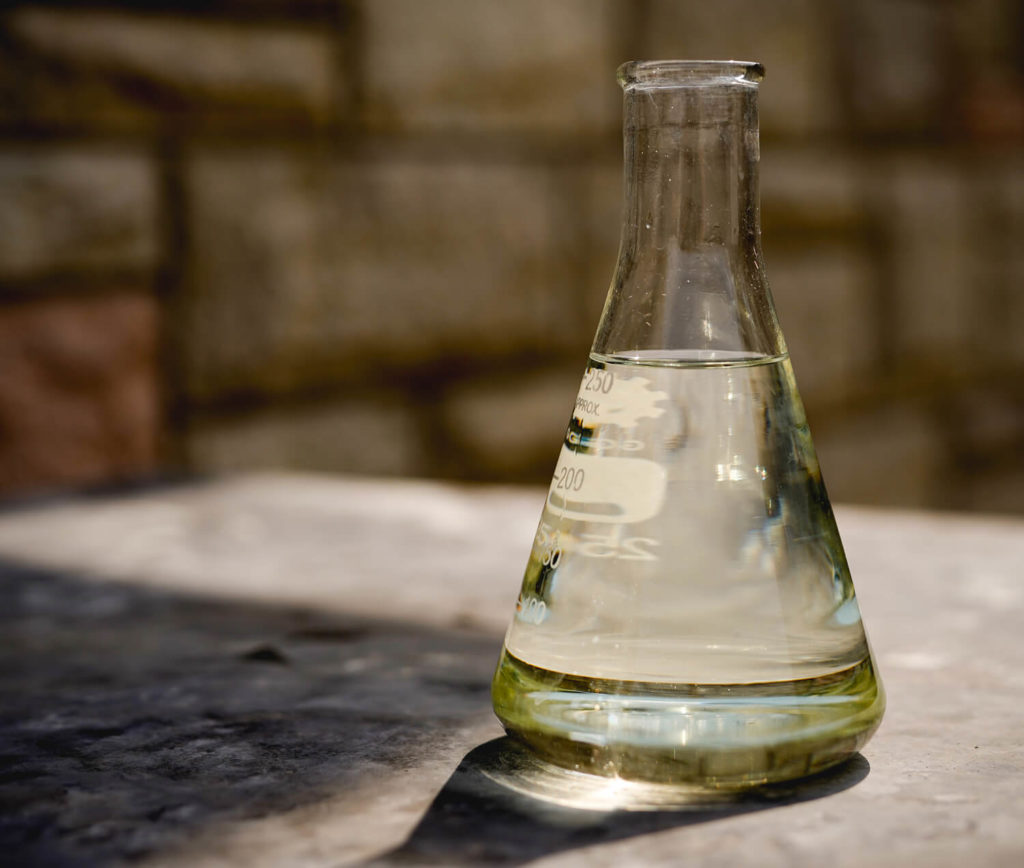
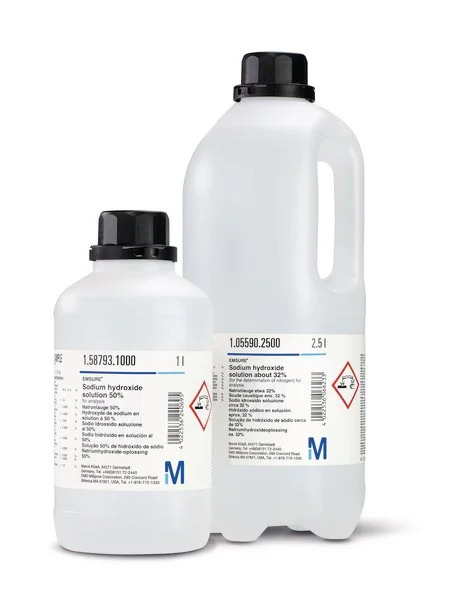

ESS Sodium Hypochlorite Supplies
- Chemical Name: Sodium Hypochlorite (NaClO)
- Chemical Formula: NaOCl
- Concentration: Approximately 5-10% (w/w), which means the solution contains 5-10 grams of sodium hypochlorite per 100 milliliters of water.
- Appearance: Clear, colorless to slightly yellowish liquid.
- Odor: Characteristic chlorine-like odor.
- Density: Around 1.1-1.3 g/cm³ at 20°C (68°F).
- pH: Typically in the range of 10-12, indicating alkaline properties.
- Boiling Point: Sodium hypochlorite solutions do not have a single boiling point, as they decompose with heating.
Other technical specifications might include information about shelf life, stability, and storage conditions. The stability of sodium hypochlorite solutions can be influenced by factors like temperature, exposure to sunlight, and contact with certain metals.
Uses of Technical Grade Sodium Hypochlorite (5-10%):
- Water Treatment: It is used for the disinfection and purification of drinking water, swimming pools, and wastewater treatment plants.
- Disinfection and Sanitization: Sodium hypochlorite solutions are effective disinfectants and are used to sanitize surfaces, equipment, and tools in various industries.
- Swimming Pool Maintenance: It is a common sanitizer for maintaining clean and safe swimming pool water.
- Laundry and Bleaching: It is used in laundry applications to bleach and disinfect fabrics.
- Surface Cleaning: Sodium hypochlorite can be used for general cleaning and deodorizing of surfaces.
- Chemical Name: Sodium Hypochlorite (NaClO)
- Chemical Formula: NaOCl
- Concentration: Approximately 10-15% (w/w), which means the solution contains 10-15 grams of sodium hypochlorite per 100 milliliters of water.
- Appearance: Clear, colorless to slightly yellowish liquid.
- Odor: Characteristic chlorine-like odor.
- Density: Around 1.2-1.4 g/cm³ at 20°C (68°F).
- pH: Typically in the range of 10-12, indicating alkaline properties.
- Boiling Point: Sodium hypochlorite solutions do not have a single boiling point, as they decompose with heating.
Other technical specifications might include information about stability, corrosiveness, and compatibility with various materials. The stability of sodium hypochlorite solutions can be influenced by factors like temperature, exposure to sunlight, and contact with certain metals.
Uses of Industrial Grade Sodium Hypochlorite (10-15%):
- Water Treatment: It is used for the disinfection and purification of industrial water systems, cooling towers, and process water.
- Disinfection and Sanitization: Industrial grade sodium hypochlorite solutions are used for sanitization in food processing facilities, breweries, and dairies.
- Wastewater Treatment: It is utilized for the disinfection of wastewater before discharge into the environment.
- Cleaning and Sterilization: It is used for cleaning and sterilization of equipment and surfaces in various industries, including pharmaceuticals and healthcare.
- Textile Industry: It is used in textile processing as a bleach and disinfectant.
- Chemical Name: Sodium Hypochlorite (NaClO)
- Chemical Formula: NaOCl
- Concentration: Approximately 12-15% (w/w), which means the solution contains 12-15 grams of sodium hypochlorite per 100 milliliters of water.
- Appearance: Clear, colorless to slightly yellowish liquid.
- Odor: Characteristic chlorine-like odor.
- Density: Around 1.2-1.4 g/cm³ at 20°C (68°F).
- pH: Typically in the range of 10-12, indicating alkaline properties.
- Boiling Point: Sodium hypochlorite solutions do not have a single boiling point, as they decompose with heating.
Other technical specifications might include information about stability, shelf life, and compatibility with various materials. The stability of sodium hypochlorite solutions can be influenced by factors like temperature, exposure to sunlight, and contact with certain metals.
Uses of Commercial Grade Sodium Hypochlorite (12-15%):
- Laundry and Cleaning Services: It is used in commercial laundry services as a bleach and disinfectant for fabrics and linens.
- Restaurant and Food Industry: Commercial grade sodium hypochlorite is used for sanitization and cleaning in restaurants and food processing facilities.
- Surface Disinfection: It is used for general surface disinfection and cleaning in various commercial settings.
- Swimming Pool Maintenance: It is a common sanitizer for maintaining clean and safe swimming pool water in commercial swimming facilities.
- Janitorial Services: It is used for disinfection and cleaning in commercial janitorial services.
- Chemical Name: Sodium Hypochlorite (NaClO)
- Chemical Formula: NaOCl
- Concentration: Approximately 15-20% (w/w), which means the solution contains 15-20 grams of sodium hypochlorite per 100 milliliters of water.
- Appearance: Clear, colorless to slightly yellowish liquid.
- Odor: Characteristic chlorine-like odor.
- Density: Around 1.2-1.4 g/cm³ at 20°C (68°F).
- pH: Typically in the range of 10-12, indicating alkaline properties.
- Boiling Point: Sodium hypochlorite solutions do not have a single boiling point, as they decompose with heating.
High-purity sodium hypochlorite is distinguished by its higher concentration and a lower level of impurities compared to lower-grade commercial or technical grades. This makes it suitable for applications where precise control of purity and concentration is required.
Uses of High-Purity Sodium Hypochlorite (15-20%):
- Pharmaceutical Applications: It is used as a disinfectant and sterilization agent in pharmaceutical manufacturing processes and cleanroom environments.
- Chemical Reactions: High-purity sodium hypochlorite may be used as a reactant in specific chemical processes or as an oxidizing agent in certain reactions.
- Water Treatment in Sensitive Environments: It is utilized in water treatment applications where strict control of purity and concentration is necessary, such as in pharmaceutical water systems.
- Laboratory Use: High-purity sodium hypochlorite is sometimes used in research and laboratory settings for specific applications.
- Chemical Name: Sodium Hypochlorite (NaClO)
- Chemical Formula: NaOCl
- Concentration: Above 20% (w/w), which means the solution contains more than 20 grams of sodium hypochlorite per 100 milliliters of water.
- Appearance: Clear, colorless to slightly yellowish liquid.
- Odor: Characteristic chlorine-like odor.
- Density: Around 1.2-1.4 g/cm³ at 20°C (68°F).
- pH: Typically in the range of 10-12, indicating alkaline properties.
- Boiling Point: Sodium hypochlorite solutions do not have a single boiling point, as they decompose with heating.
Ultra-pure sodium hypochlorite is characterized by its extremely high concentration and the lowest possible level of impurities. It is manufactured and handled with great care to ensure the highest purity level.
Uses of Ultra-Pure Sodium Hypochlorite (Above 20%):
- Chemical Synthesis: It is used as a reactant or oxidizing agent in specific chemical synthesis and manufacturing processes that require precise control of purity and concentration.
- Laboratory and Research: Ultra-pure sodium hypochlorite is used in advanced research and laboratory settings for specialized applications.
- Semiconductor Manufacturing: It may be used in the semiconductor industry for wafer cleaning and other high-tech processes that demand ultra-high purity chemicals.
- Pharmaceutical and Biotech: In the pharmaceutical and biotech industries, it can be used for high-purity disinfection and cleaning.