What is Sulfuric Acid?
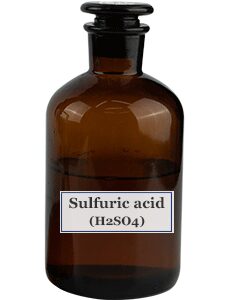
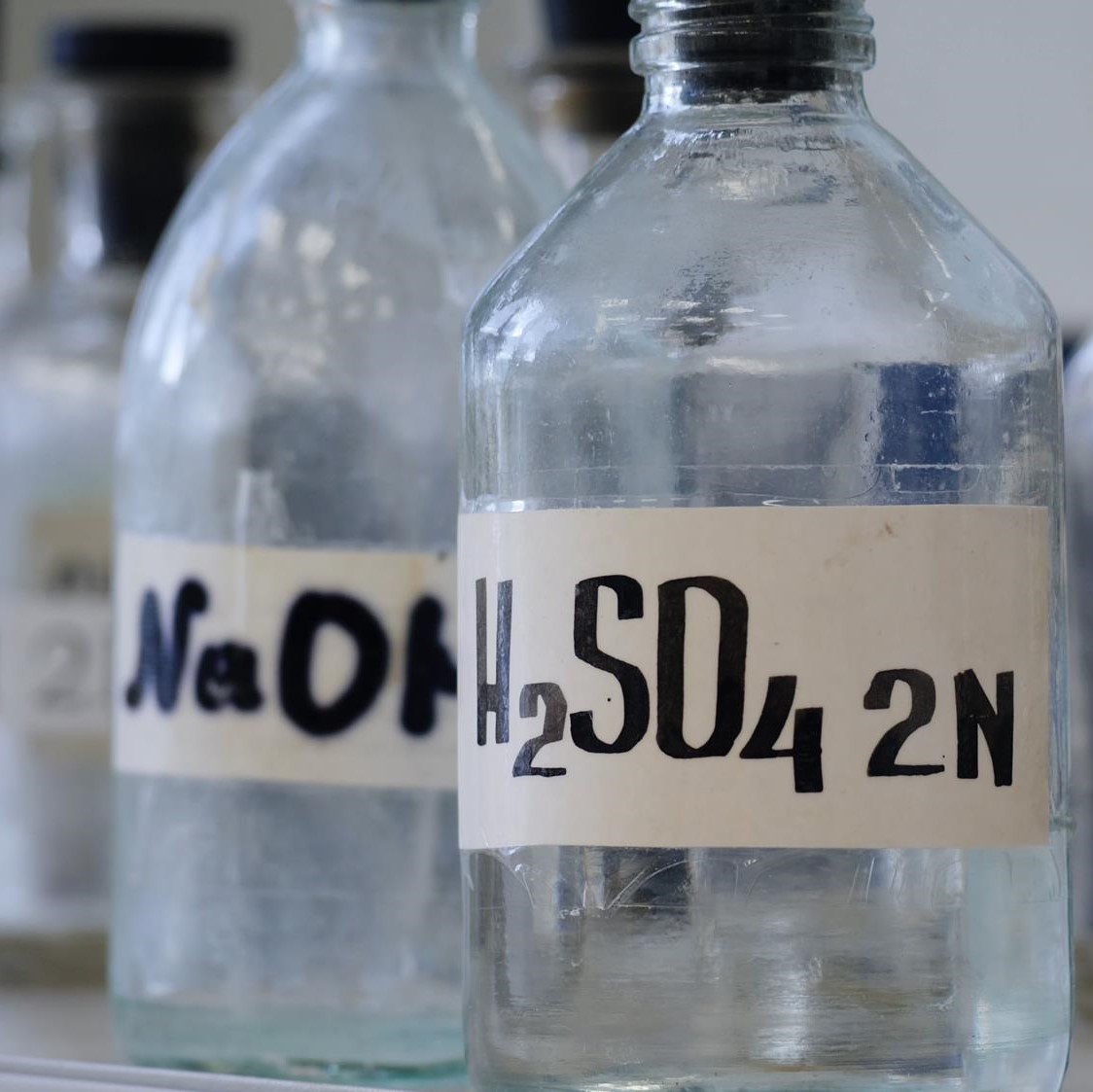
Sulfuric acid, commonly known as “sulphuric acid”, is a highly corrosive and strong mineral acid with the chemical formula H2SO4.
It is one of the most widely used and important industrial chemicals, with numerous applications in various industries.
Key properties and characteristics of sulfuric acid:
1. Highly Corrosive: Sulfuric acid is extremely corrosive to metals, organic materials, and living tissues. It can cause severe burns and damage upon contact.
2. Strong Acid: It is considered a strong acid because it readily dissociates in water to release hydrogen ions (H+) and sulfate ions (SO4^2-) to form an acidic solution.
3. Concentrated and Dilute Solutions: Sulfuric acid is commonly available in different concentrations, ranging from highly concentrated (around 98-99%) to various dilutions (commonly used as battery acid is around 30-37%).
Sulfuric Acid Usages
Uses of sulfuric acid:
1. Chemical Manufacturing: Sulfuric acid is a fundamental component in the production of a wide range of chemicals, including fertilizers, detergents, and various industrial chemicals.
2. Mineral Processing: It is used in the mining industry to extract and process metals from ores, such as copper, zinc, and uranium.
3. Petroleum Refining: Sulfuric acid is used in the refining of crude oil to produce petroleum products.
4. Battery Production: Diluted sulfuric acid is used in lead-acid batteries for vehicles, backup power systems, and other applications.
5. Water Treatment: Sulfuric acid is used in water treatment processes, such as pH adjustment and neutralization of alkaline wastewater.
6. Dye and Pigment Production: It is used in the production of dyes and pigments for the textile, paint, and ink industries.
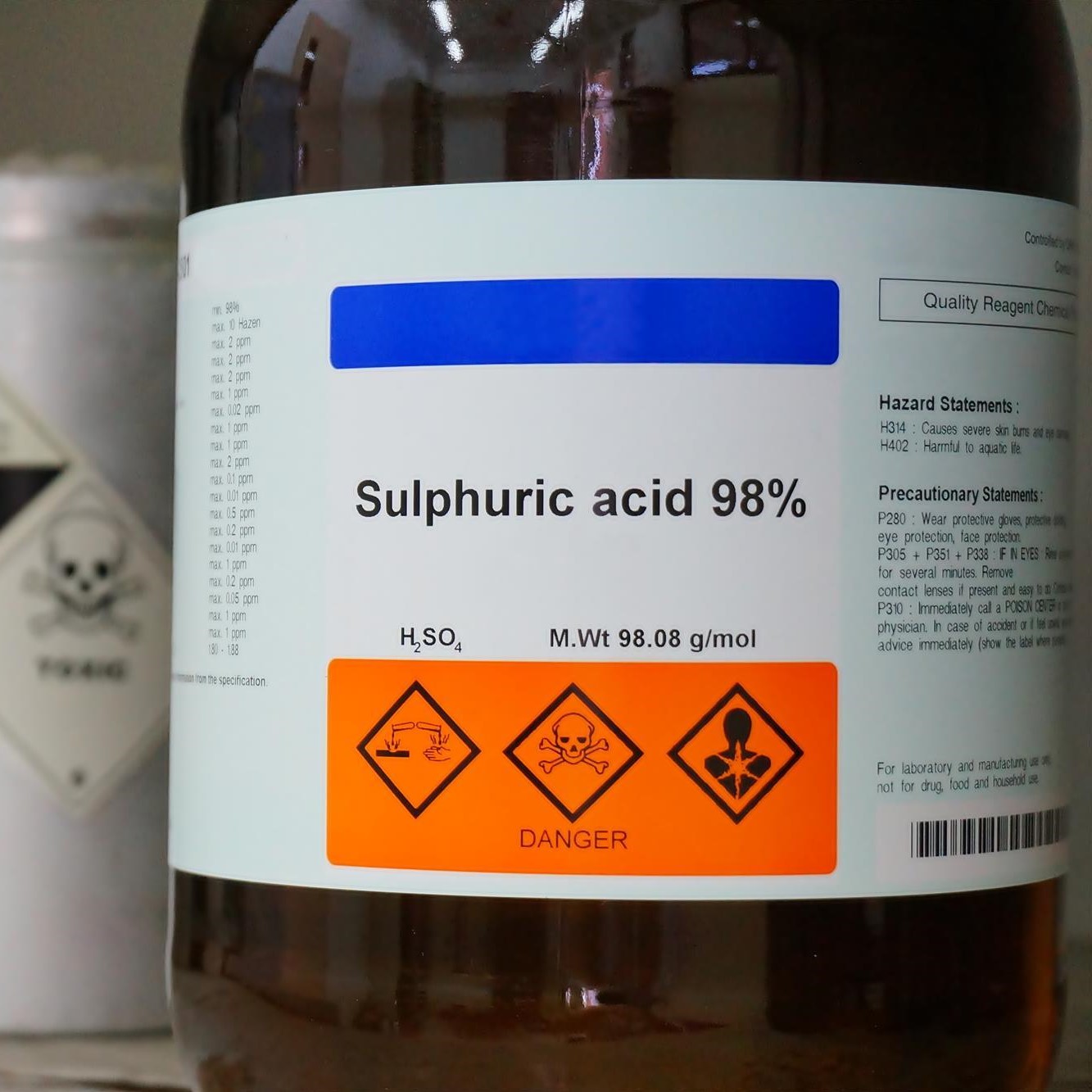
Sulfuric acid is a hazardous substance, and proper safety precautions, such as wearing protective gear, should be taken when handling and using it. It is crucial to handle sulfuric acid with extreme care to prevent accidents and injuries.
Sulfuric Acid Grades
Sulfuric acid is commonly available in various grades based on its concentration and intended applications.
The grades of sulfuric acid are typically distinguished by the percentage of sulfuric acid (H2SO4) in the solution.
Here are some common grades of sulfuric acid:
1. Concentrated Sulfuric Acid (98% – 99%): This is the highest concentration of sulfuric acid commonly available.
It is highly corrosive and is used in various industrial processes, such as chemical manufacturing, mineral processing, and petroleum refining. It is also used in laboratory applications and as a raw material for producing other chemicals.
2. Commercial Sulfuric Acid (93% – 98%): This grade of sulfuric acid has a slightly lower concentration compared to concentrated sulfuric acid. It is used in a wide range of industrial applications, including metal pickling, fertilizers, and synthetic detergents.
3. Battery Acid (30% – 37%): Diluted sulfuric acid is commonly used in lead-acid batteries for automotive and other applications.
It is referred to as battery acid or electrolyte in this concentration range.
4. Dilute Sulfuric Acid (10% – 20%): Dilute sulfuric acid is used for various applications, including pH adjustment in water treatment, and as a cleaning agent in some industrial processes.
5. Lab-Grade Sulfuric Acid (Laboratory Reagent): Lab-grade sulfuric acid is used in laboratory settings for analytical purposes and chemical experiments. It usually has a concentration of around 95%.
The choice of sulfuric acid grade depends on the specific application and the required concentration for the intended use.
It’s important to handle sulfuric acid with extreme caution, as it is highly corrosive and reactive, and can cause severe burns and other health hazards. Proper safety measures and protective equipment should be used when working with sulfuric acid to ensure safe handling and usage.