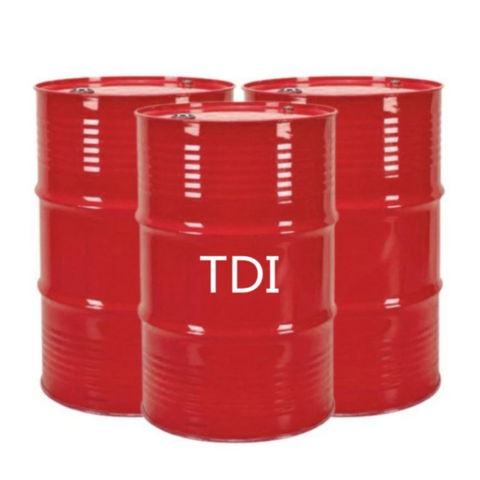
What is Toluene Diisocyanate ?
TDI stands for Toluene Diisocyanate. It is an organic compound with the chemical formula C9H6N2O2. TDI is a diisocyanate, which means it contains two isocyanate functional groups (NCO) in its molecular structure.
TDI is derived from toluene, a hydrocarbon aromatic compound, through a chemical reaction with phosgene.
TDI is an essential building block in the production of polyurethane foams, coatings, adhesives, and elastomers.
The isocyanate groups in TDI readily react with polyols to form polyurethane polymers, making it a critical component in the manufacturing of various polyurethane products.
Toluene Diisocyanate (TDI) Usages
Polyurethane products made from TDI-based formulations have a wide range of applications, including:
1. Flexible Foams: Used in furniture, mattresses, automotive seating, and other cushioning applications.
2. Rigid Foams: Used in insulation panels, refrigeration equipment, and building construction.
3. Coatings: Used as protective coatings for various surfaces, including metals, wood, and concrete.
4. Adhesives and Sealants: Used in bonding materials together in construction, automotive assembly, and other industries.
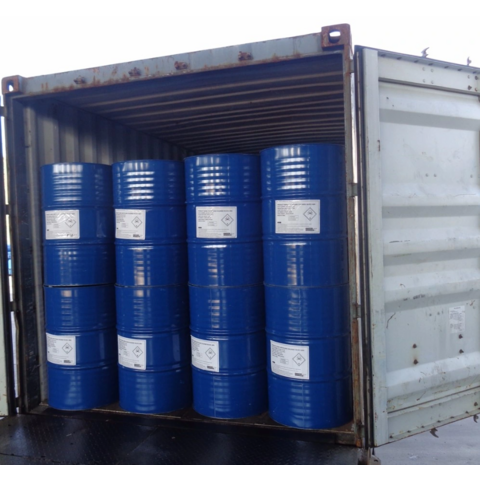
TDI is a valuable chemical in the polyurethane industry, but it should be handled with care due to its reactivity and potential hazards. Safety precautions and proper handling procedures should be followed during its storage, transportation, and use to prevent accidents and ensure safe working conditions.
Toluene Diisocyanate (TDI) Grades
Toluene Diisocyanate (TDI) is commercially available in different grades based on its isomer composition, purity, and intended applications.
The two main isomers of TDI are 2,4-toluene diisocyanate (2,4-TDI) and 2,6-toluene diisocyanate (2,6-TDI). Here are some common grades of TDI:
1. Pure 2,4-TDI: This grade of TDI consists predominantly of the 2,4-TDI isomer. It is often used in specific applications where the properties of the 2,4-isomer are preferred, such as in the production of certain polyurethane foams and elastomers.
2. Pure 2,6-TDI: This grade of TDI contains mostly the 2,6-TDI isomer. It is used in applications that require the specific properties of the 2,6-isomer, such as in the production of certain polyurethane coatings and adhesives.
3. Technical Grade TDI: Technical grade TDI is a mixture of both 2,4-TDI and 2,6-TDI isomers. It is the most commonly available grade of TDI and is used in a wide range of polyurethane applications, including foams, coatings, adhesives, and sealants.
4. Crude TDI: Crude TDI is a mixture of 2,4-TDI, 2,6-TDI, and other by-products formed during the TDI manufacturing process.
It requires further purification and separation before being used in specific applications.
TDI grades may also be differentiated based on their purity levels and specifications to meet specific industry requirements and customer needs.
Some specialized grades of TDI may have lower levels of impurities and specific properties tailored for particular applications. It’s important to select the appropriate TDI grade based on the intended application and the desired properties of the final product.
Safety guidelines and handling procedures should be strictly followed when working with TDI, as it is a reactive chemical and can pose health and safety risks if mishandled.