What is VAM?
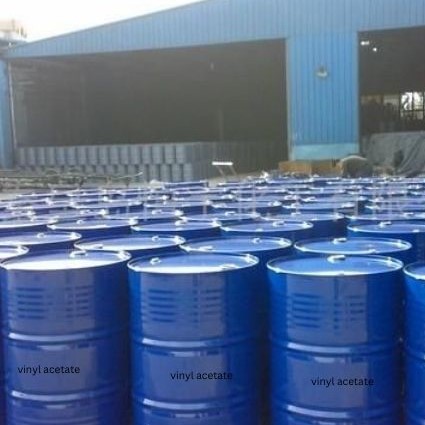
VAM stands for Vinyl Acetate Monomer.
It is a colorless liquid with a pungent odor and the chemical formula C4H6O2.
VAM is a key building block chemical used in the production of various polymers and resins.
Vinyl acetate monomer is primarily used in the production of polyvinyl acetate (PVA) and polyvinyl alcohol (PVOH).
These polymers have a wide range of applications in various industries, including adhesives, paints, coatings, textiles, paper coatings, and packaging materials.
VAM Usages
Some common uses of VAM include:
1. Adhesives: VAM is a primary component in the formulation of various adhesives, such as wood glues, packaging adhesives, and industrial adhesives.
2. Coatings and Paints: VAM is used in the production of emulsion polymers that are used in water-based paints, coatings, and textile coatings.
3. Textiles: VAM is used to create water-soluble PVOH, which is used in the textile industry for sizing, finishing, and as a binder in nonwoven fabrics.
4. Paper Coatings: VAM is used in the formulation of paper coatings to improve the paper’s surface and printability.
5. Packaging Materials: VAM is used in the production of PVA films and coatings for packaging materials like food wraps and bags.
6. Emulsions and Dispersions: VAM is used as an emulsifier to disperse other chemicals in water-based systems.
The reactivity of VAM allows it to undergo polymerization to form polyvinyl acetate and copolymerization with other monomers to produce various copolymers with desirable properties for different applications.
The versatility of VAM makes it a crucial chemical in the production of a wide range of products that we use in our daily lives.
VAM Grades
Vinyl Acetate Monomer (VAM) is typically available in different grades based on its purity and intended applications.
The grades of VAM may vary slightly depending on the manufacturer or supplier, but here are some common grades:
1. Standard Grade: This is the most commonly available grade of VAM and is used in general industrial applications. It is suitable for the production of a wide range of polymers, resins, and adhesives.
2. High-Purity Grade: High-purity VAM is a higher-grade version with lower levels of impurities.
It is often used in applications that require strict purity requirements, such as in the production of pharmaceuticals, food additives, and high-performance adhesives.
3. Pharmaceutical Grade: Pharmaceutical-grade VAM meets the stringent purity and quality standards set by regulatory authorities for use in pharmaceutical formulations and medical applications.
4. Food Grade: Food-grade VAM is specifically manufactured to meet the safety and purity standards required for use in food processing and as food additives.
5. Technical Grade: Technical-grade VAM may have slightly higher levels of impurities and is commonly used in industrial processes, such as water-based coatings, emulsions, and adhesives.
The choice of VAM grade depends on the specific application and the desired purity level required for the end product.
For applications in the food and pharmaceutical industries, it’s essential to use the appropriate food or pharmaceutical-grade VAM to ensure safety and compliance with regulatory standards.
When purchasing VAM, it’s crucial to check the grade and product specifications to ensure it meets the required standards for your intended use.