What is Petroleum Jelly?
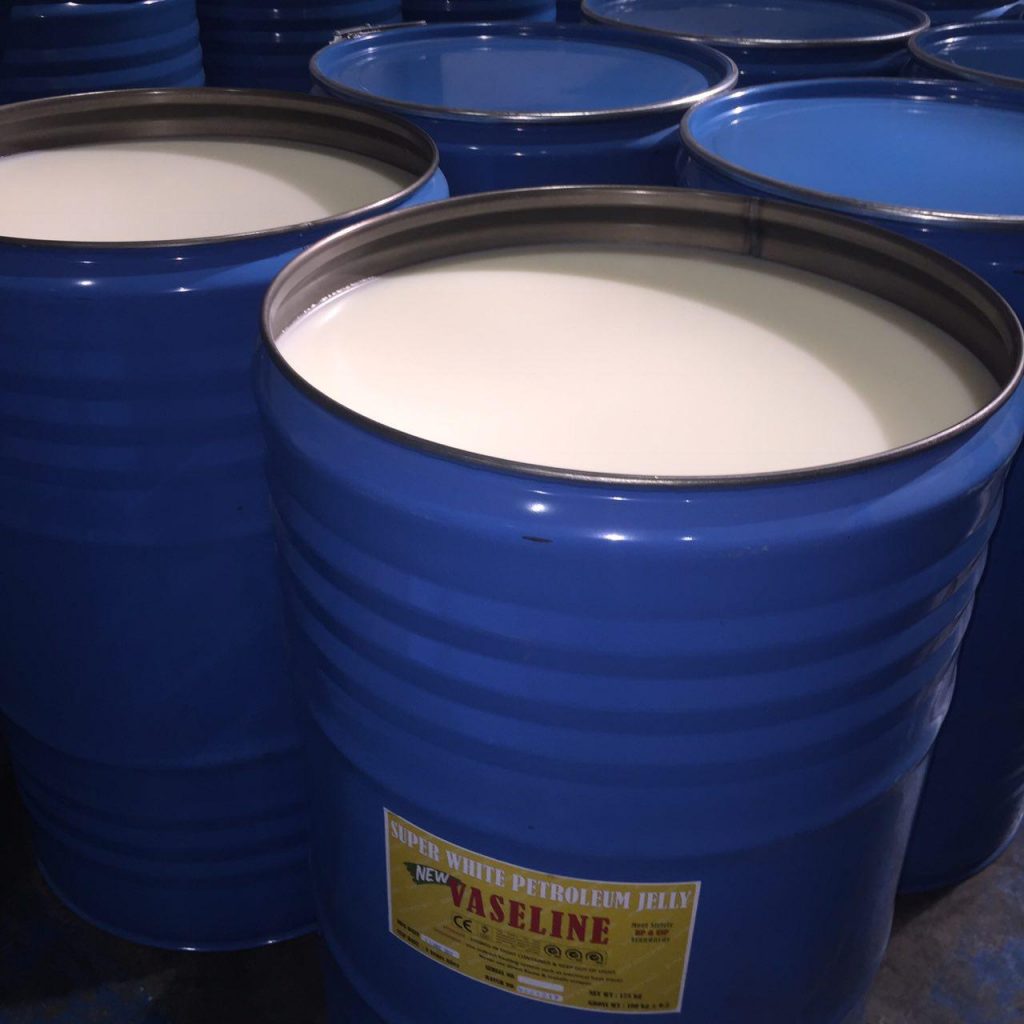
Petroleum Jelly, also known as Vaseline, is a semi-solid mixture of hydrocarbons derived from petroleum.
It is a byproduct of the petroleum refining process and is typically produced from crude oil.
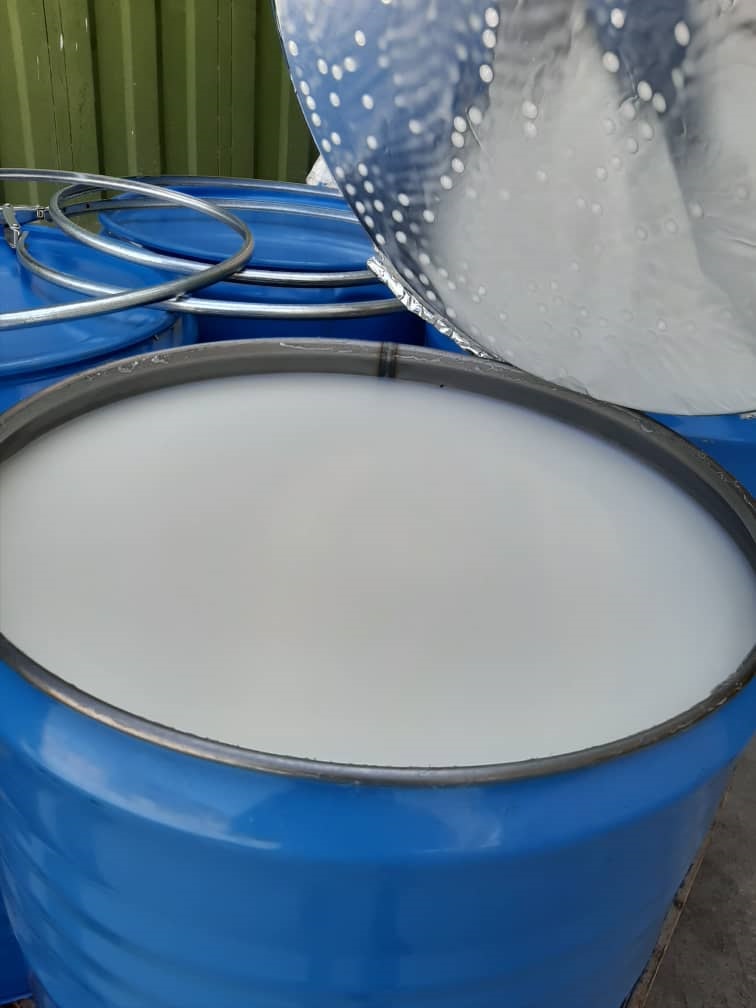
Petroleum Jelly is a colorless or pale yellow substance with a smooth and oily texture. The primary characteristic of petroleum jelly is its excellent skin barrier properties.
It forms a protective layer on the skin’s surface, preventing moisture loss and providing relief for dry, chapped, or irritated skin.
It is non-comedogenic, meaning it does not clog pores, making it suitable for various skincare applications.
Petroleum Jelly Usages
Some common uses of petroleum jelly include:
1. Skin Moisturizer: Petroleum jelly is commonly used as a moisturizer to soothe and hydrate dry and cracked skin, especially in areas prone to dryness, like lips, elbows, and heels.
2. Lip Balm: It is used as a lip balm to prevent chapped lips and keep them soft and moisturized.
3. Minor Wound Care: Petroleum jelly can be applied to minor cuts, scrapes, and burns to protect the wound and promote healing.
4. Diaper Rash Prevention: It is used as a barrier cream to prevent and treat diaper rash in babies.
5. Lubricant: Petroleum jelly is sometimes used as a lubricant for various purposes, such as easing the insertion of rectal thermometers or lubricating small mechanical parts.
6. Makeup Remover: It can be used as a gentle and effective makeup remover, especially for waterproof makeup products.
7. Protectant: Petroleum jelly can be used to protect skin from harsh weather conditions, such as wind and cold temperatures.
It is essential to use petroleum jelly externally and avoid ingesting or using it internally.
While petroleum jelly is generally safe for most people, it may not be suitable for those with specific skin sensitivities or allergies.
As with any skincare product, it’s a good idea to perform a patch test before applying it to a larger area of the skin.
Petroleum Jelly Grades
Petroleum Jelly, also known as Vaseline, is available in different grades based on its purity and specific applications.
The grades of petroleum jelly may vary slightly depending on the manufacturer or supplier, but here are some common grades:
1. White Petroleum Jelly: This is the highest quality and purest grade of petroleum jelly.
It is refined and processed to remove impurities, color, and odor, resulting in a white, odorless, and non-staining product. White petroleum jelly is commonly used in cosmetics, pharmaceuticals, and personal care products.
2. Yellow Petroleum Jelly: Yellow petroleum jelly is also a refined grade but may contain traces of impurities that give it a pale yellow color. While not as pure as white petroleum jelly, it is still suitable for many cosmetic and personal care applications.
3. Technical Grade Petroleum Jelly: Technical grade petroleum jelly is a less refined grade used in various industrial applications, such as lubricants, rust prevention, and as a sealant. It may have a higher content of impurities and may not be suitable for cosmetic or medicinal use.
4. Food Grade Petroleum Jelly: Food grade petroleum jelly is a special grade that meets the safety and purity standards set by food regulatory authorities. It is used in food processing, as a release agent for molds, and to lubricate food processing equipment.
It’s essential to use the appropriate grade of petroleum jelly for specific applications to ensure safety and compliance with regulations.
For skincare and cosmetic purposes, it is best to choose white or yellow petroleum jelly, which has undergone a more rigorous refining process to remove impurities and is considered safe for topical use.