What is Ammonia?
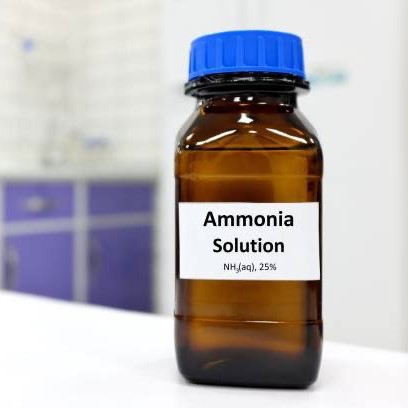
Ammonia (NH3) is a colorless gas with a pungent odor.
It is composed of one nitrogen atom and three hydrogen atoms and belongs to the class of compounds known as “nitrogenous compounds”.
Ammonia is highly soluble in water and forms a weak alkaline solution.
Ammonia Characteristics and Properties
Key properties and characteristics of ammonia:
1. Pungent Odor: Ammonia has a sharp, irritating odor, which can be easily detected even in small concentrations.
2. Water Solubility: Ammonia is highly soluble in water, forming ammonium hydroxide, which is a weak base.
3. Volatility: Ammonia is volatile and tends to vaporize quickly at room temperature, which is why it is commonly encountered as a gas.
4. Basicity: In water, ammonia acts as a weak base, meaning it can accept protons (H+) to form ammonium ions (NH4+).
5. Industrial Use: Ammonia is widely used in various industrial processes, including the production of fertilizers, cleaning agents, and refrigerants.
6. Household Use: Ammonia-based cleaning products are commonly used for household cleaning tasks like glass and surface cleaning.
7. Refrigeration: In refrigeration systems, ammonia is used as a refrigerant due to its high heat of vaporization and environmental friendliness (it has low ozone depletion potential and global warming potential).
8. Agriculture: Ammonia is a crucial component of fertilizers, providing essential nitrogen to support plant growth.
9. Laboratory and Analytical Uses: In laboratories, ammonia is used in chemical analysis and as a reactant in various experiments.
Ammonia is a vital compound in various industries and applications due to its unique properties and versatility.
However, it is essential to handle ammonia with care, as it is toxic when inhaled in high concentrations. In industrial settings, safety precautions are taken to prevent accidental releases of ammonia gas and to protect workers from its adverse effects.
Ammonia Grades
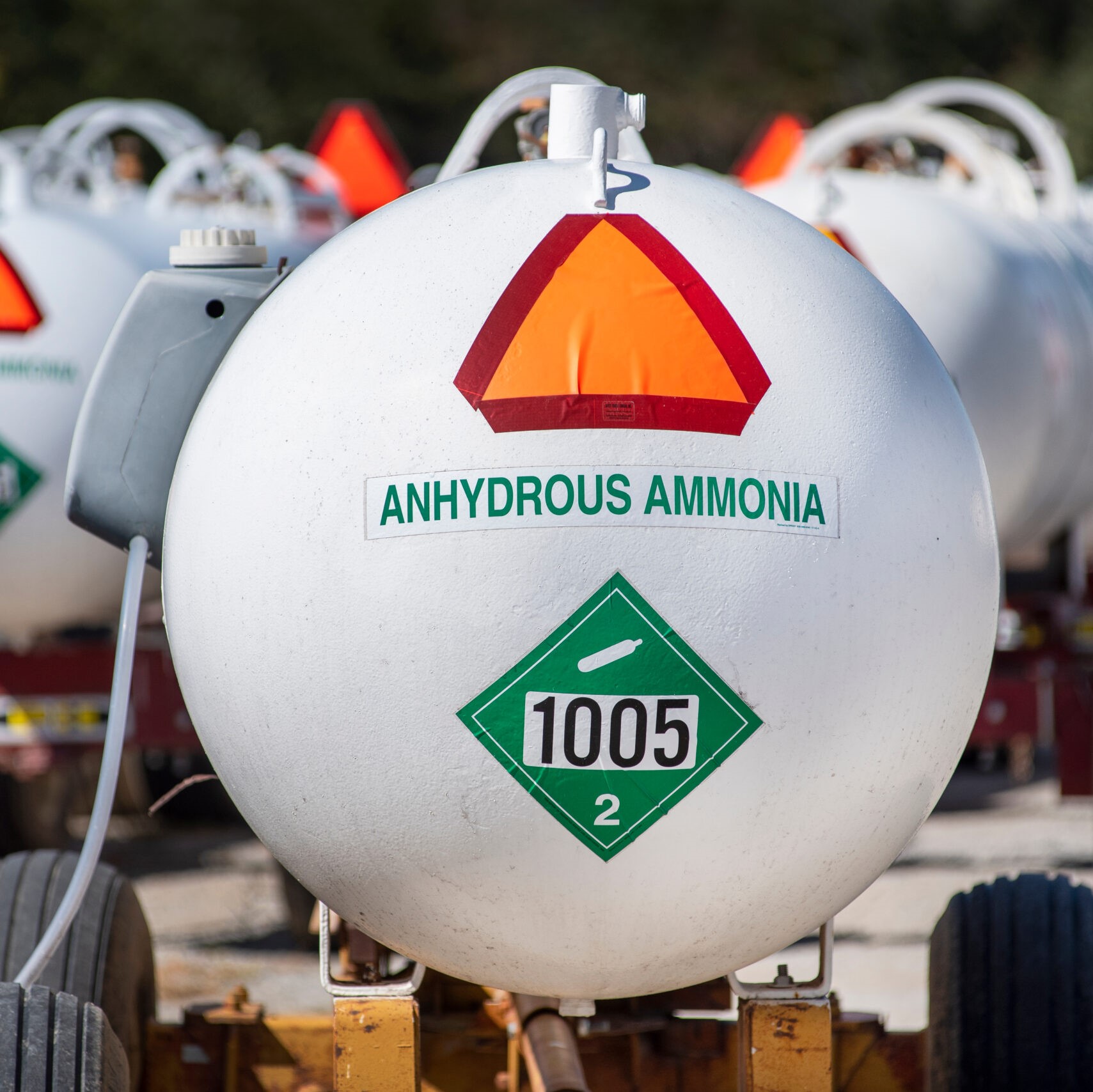
Liquid ammonia, also known as anhydrous ammonia, is primarily produced and used as a single grade, which is a highly concentrated form of ammonia with no water content.
However, it is crucial to handle liquid ammonia with care, as it is a hazardous material due to its high reactivity and toxicity.
The grade of liquid ammonia primarily refers to its purity level, which is typically around 99.5% or higher.
In the context of fertilizer applications, liquid ammonia is commonly used as anhydrous ammonia. It is applied directly to agricultural fields as a nitrogen fertilizer. Anhydrous ammonia is injected into the soil, where it reacts with water to form ammonium ions (NH4+), which are essential for plant growth.
While liquid ammonia itself is not differentiated into various grades, it is essential to consider factors such as purity, storage, and handling when using it as a fertilizer. Ensuring proper safety measures and adherence to handling guidelines are crucial due to its hazardous nature. This includes using specialized equipment for application, taking appropriate safety precautions during storage and transportation, and ensuring the proper setup of application equipment to avoid accidental release of ammonia gas.
For other industrial applications, such as refrigeration, chemicals, and manufacturing processes, liquid ammonia may be available in different grades based on purity levels or intended uses.
However, in the context of fertilizer applications, anhydrous ammonia is the primary form used, and the focus is on ensuring safe and efficient application to support crop growth and yield.