What is Ammonium Sulfate?
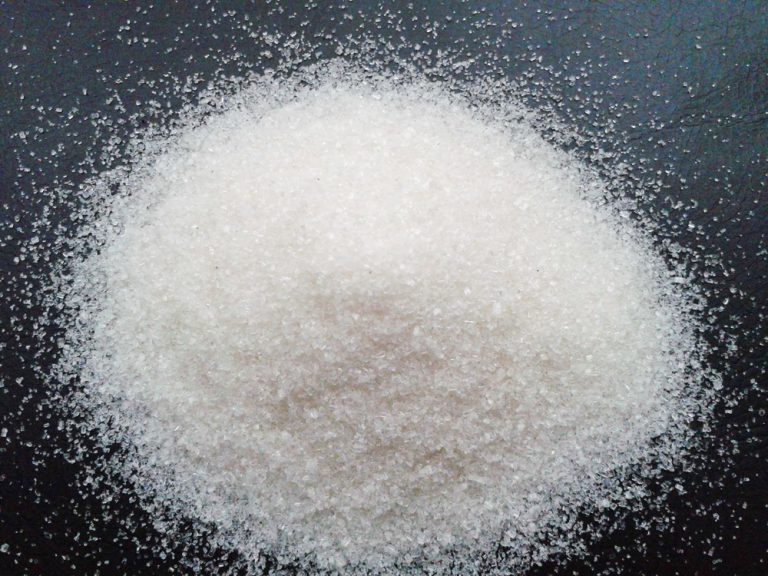
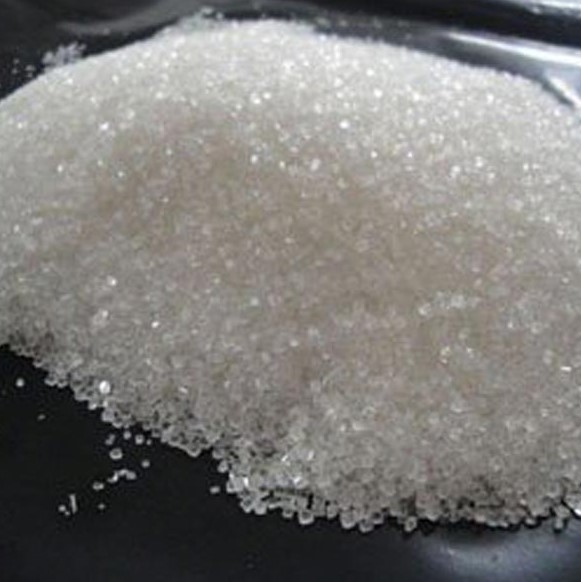
Ammonium sulfate is an inorganic salt that contains nitrogen and sulfur.
It is commonly used as a nitrogen fertilizer in agriculture, providing essential nutrients for plant growth.
Ammonium sulfate is a byproduct of various industrial processes, such as caprolactam production (a precursor to nylon) and the desulfurization of flue gases from power plants.
Ammonium Sulfate Characteristics and Properties
Key characteristics and properties of ammonium sulfate:
1. Nitrogen and Sulfur Content: Ammonium sulfate contains both ammonium nitrogen and sulfate sulfur. It typically has a nitrogen content of around 20-21% and a sulfur content of about 24%.
2. Water Solubility: Ammonium sulfate is highly soluble in water, making it readily available to plants when applied to the soil.
3. pH: Ammonium sulfate is an acidic fertilizer, meaning it can lower the pH of the soil.
This acidity can be beneficial in soils with higher pH levels or alkaline conditions.
4. Low Volatility: Unlike some nitrogen fertilizers, ammonium sulfate has low volatility, reducing the risk of nitrogen losses through ammonia gas volatilization.
5. Non-Volatile: Ammonium sulfate is a solid granular material, making it easy to handle and apply using standard fertilizer spreading equipment.
Ammonium Sulfate Applications and Usages
Ammonium sulfate is commonly used in agriculture to provide a source of both nitrogen and sulfur to crops.
The nitrogen in ammonium sulfate is in the ammonium form, which is gradually converted to nitrate in the soil through nitrification.
This slow release of nitrogen helps ensure a steady supply of nutrients to plants.
The sulfur in ammonium sulfate plays a vital role in supporting plant health. Sulfur is essential for the synthesis of certain amino acids and enzymes involved in plant metabolism and protein production.
Additionally, sulfur contributes to enhancing the efficiency of nitrogen utilization by plants.
Ammonium sulfate is suitable for use in a wide range of crops, including grains, vegetables, fruits, and grasslands. It is particularly useful for sulfur-deficient soils or in regions where sulfur deposition from atmospheric sources is limited.
As with any fertilizer, proper application rates and timing are crucial to ensure efficient nutrient uptake by plants and to minimize the risk of nutrient losses to the environment.
It is essential to follow agronomic recommendations and conduct soil testing to determine the appropriate amount of ammonium sulfate needed for specific crops and soil conditions.
Ammonium Sulfate Grades
Ammonium sulfate is primarily available in different grades based on its purity and intended use.
The main grades of ammonium sulfate include:
1. Agricultural Grade Ammonium Sulfate: This is the most common and widely used grade of ammonium sulfate. It is formulated specifically for use as a nitrogen and sulfur fertilizer in agriculture.
Agricultural-grade ammonium sulfate typically contains around 20-21% nitrogen and 24% sulfur.
2. Industrial Grade Ammonium Sulfate: Industrial-grade ammonium sulfate is used in various non-fertilizer applications, such as in chemical manufacturing, water treatment, and as a flame retardant in some products.
3. Caprolactam Grade Ammonium Sulfate: This grade of ammonium sulfate is a byproduct of the caprolactam production process, which is used to make nylon. It contains relatively high purity and is sometimes used as a fertilizer as well.
4. Laboratory or Analytical Grade Ammonium Sulfate: This grade is of higher purity and is used in laboratories for analytical and research purposes, where precise and consistent results are required.
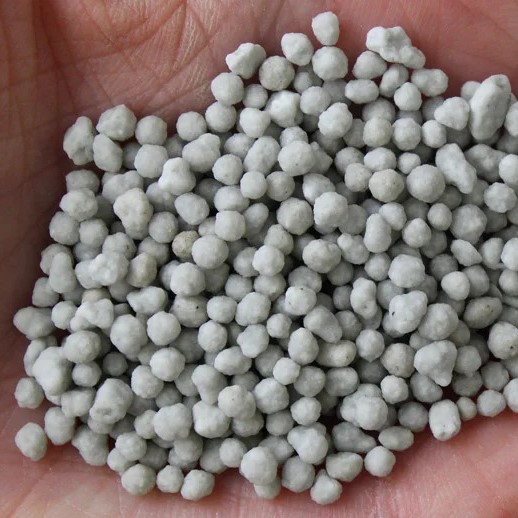
The agricultural grade of ammonium sulfate is the most commonly available and widely used, as it provides both nitrogen and sulfur, two essential nutrients for plant growth. It is commonly applied to fields as granules or prills, and it can be used for various crops, including grains, fruits, vegetables, and grasslands. The industrial grade of ammonium sulfate is used in various industrial processes and applications where a source of nitrogen or sulfur is needed but the stringent purity requirements of agricultural-grade may not be necessary.
It is important to consider the grade and purity of ammonium sulfate based on its intended application. In agricultural use, following recommended application rates and conducting soil testing can help ensure proper nutrient management and efficient use of the fertilizer, while in industrial applications, the purity level may be a crucial factor depending on the specific process requirements.