What is Magnesium Sulfate?
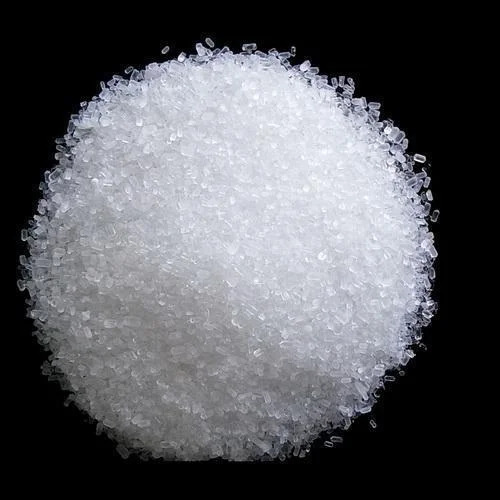
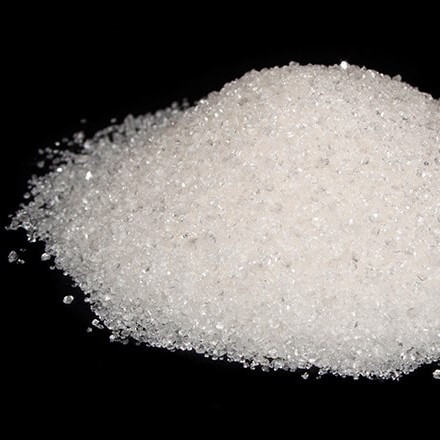
Magnesium sulfate, also known as Epsom salt, is an inorganic salt with the chemical formula MgSO4.
It is composed of magnesium (Mg), sulfur (S), and oxygen (O) atoms.
Magnesium sulfate is a naturally occurring mineral, and it can also be synthesized for various uses.
Magnesium Sulfate Characteristics and Properties
Key characteristics and properties of magnesium sulfate:
1. Crystal Structure: Magnesium sulfate commonly occurs as colorless, odorless crystals with a hexagonal crystalline structure.
2. Water Solubility: Magnesium sulfate is highly soluble in water, which makes it easy to dissolve and apply in various forms.
3. Magnesium and Sulfur Content: Magnesium sulfate is a source of both magnesium and sulfur nutrients. It typically contains about 10% magnesium and 13% sulfur by weight.
4. Agricultural Use: Magnesium sulfate is used as a fertilizer to supplement magnesium and sulfur in soils deficient in these nutrients.
It is particularly beneficial for crops that have high magnesium and sulfur requirements, such as tomatoes, potatoes, peppers, and some tree fruits.
5. Medical and Therapeutic Use: Magnesium sulfate is widely used for medical and therapeutic purposes, such as in Epsom salt baths to soothe sore muscles, relieve stress, and promote relaxation.
6. Industrial Applications: Magnesium sulfate is used in various industrial processes, including in the production of paper, textiles, and chemicals.
It is also used in some fire extinguishers as a flame retardant.
7. Epsom Salt: The name “Epsom salt” originated from the mineral’s discovery in Epsom, England, where it was noted for its health and wellness properties.
As a fertilizer, magnesium sulfate helps improve plant health by correcting magnesium and sulfur deficiencies in the soil.
Magnesium is essential for the formation of chlorophyll, the green pigment in plants responsible for photosynthesis.
Sulfur is a key component of amino acids, enzymes, and other essential plant compounds.
Magnesium Sulfate Applications and Usages
Magnesium sulfate can be applied directly to the soil or as a foliar spray.
It is also used as a supplement in hydroponic and aquaponic systems to ensure adequate nutrient supply for plants.
In addition to its agricultural uses, magnesium sulfate is widely appreciated for its therapeutic benefits, particularly in Epsom salt baths, where it is believed to promote relaxation, ease muscle tension, and soothe skin conditions.
As with any fertilizer or product, it is essential to use magnesium sulfate in accordance with recommended application rates and guidelines to ensure optimal results and avoid overapplication.
Magnesium Sulfate Grades
Magnesium sulfate, commonly known as Epsom salt, is available in different grades based on its purity and intended use.
Here are some common grades of magnesium sulfate:
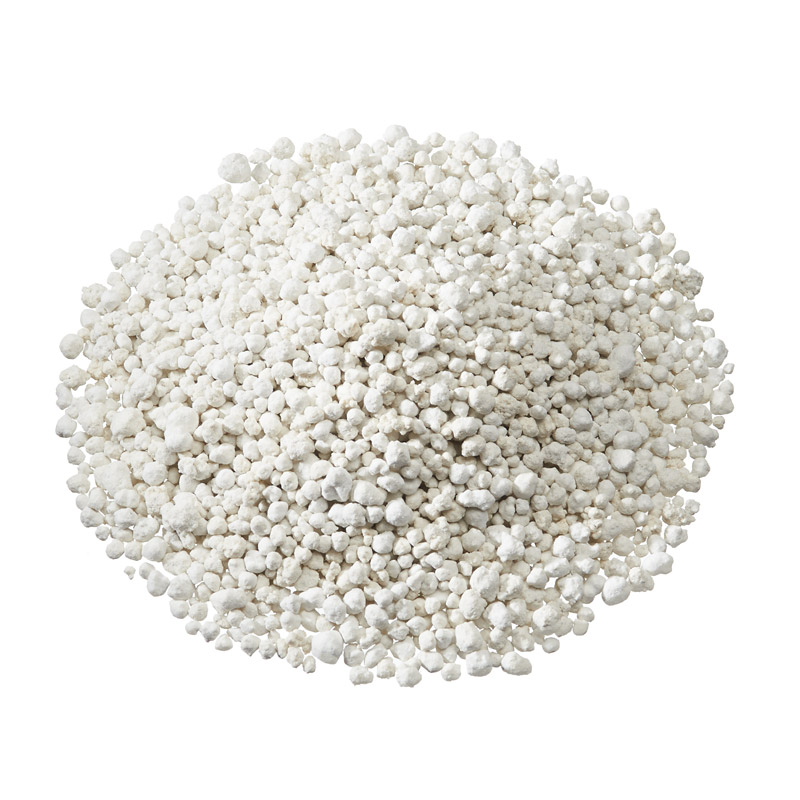
1. Agricultural Grade Magnesium Sulfate: This is the most commonly used grade of magnesium sulfate in agriculture.
It is formulated specifically for use as a fertilizer to supplement magnesium and sulfur nutrients in the soil.
Agricultural-grade magnesium sulfate typically contains about 10% magnesium and 13% sulfur.
2. Pharmaceutical Grade Magnesium Sulfate: This grade is of higher purity and is used for pharmaceutical and medical applications.
It meets strict quality standards and is suitable for use in various medicinal formulations.
3. Industrial Grade Magnesium Sulfate: Industrial-grade magnesium sulfate is used in various non-fertilizer applications, including in the manufacturing of chemicals, textiles, paper, and other industrial processes.
4. Technical Grade Magnesium Sulfate: This grade is used for technical or industrial purposes where high purity is not required.
It may be used in various industrial processes and applications.
5. Food Grade Magnesium Sulfate: Food-grade magnesium sulfate is used in the food industry as an additive for certain food products.
It meets specific safety and quality standards for use in food applications.
The agricultural grade of magnesium sulfate is the most common and widely available, as it is primarily used as a fertilizer to correct magnesium and sulfur deficiencies in soils.
It is used in agriculture to improve plant health, particularly for crops with higher magnesium and sulfur requirements.
The pharmaceutical grade of magnesium sulfate is used in medicinal and therapeutic applications, such as in Epsom salt baths, and for specific medical treatments.
It is important to choose the appropriate grade of magnesium sulfate based on its intended use.