What is UAN?
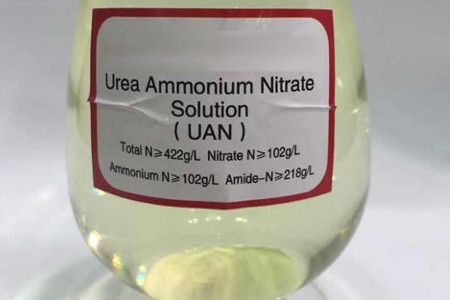
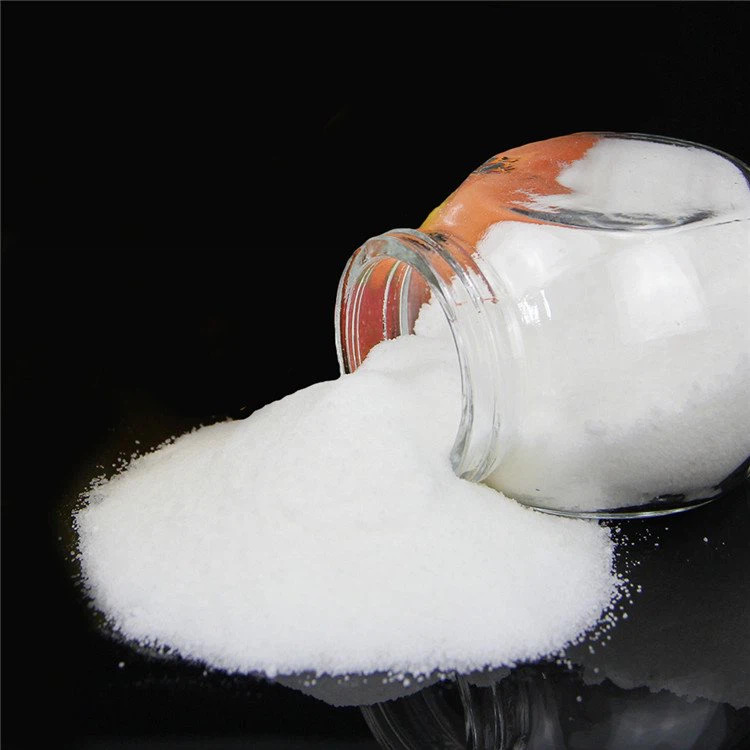
UAN stands for Urea-Ammonium Nitrate. It is a liquid nitrogen fertilizer solution that contains a mixture of urea and ammonium nitrate.
UAN is a popular nitrogen fertilizer used in agriculture due to its versatility and ease of application.
The most common UAN grades are UAN 28 and UAN 32, which indicate the percentage of nitrogen in the solution (28% and 32%, respectively).
UAN Characteristics and Properties
Key characteristics and properties of UAN:
1. Nitrogen Content: UAN contains both urea and ammonium nitrate, providing a balanced combination of ammonium nitrogen and urea nitrogen.
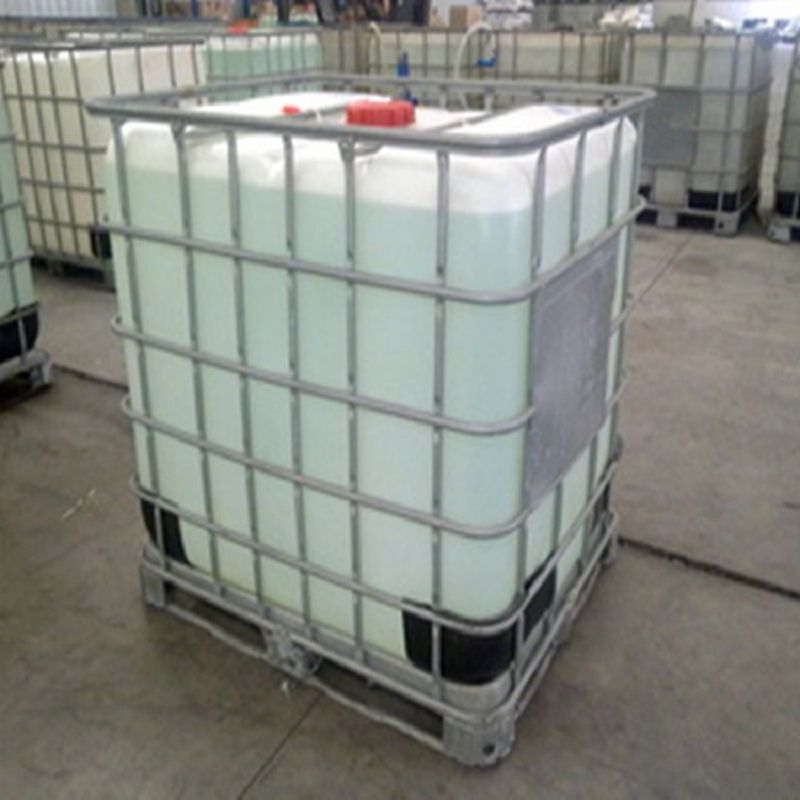
2. Liquid Form: UAN is a liquid fertilizer, which makes it easy to handle and apply with standard spray equipment or through fertigation systems.
3. Nitrogen Release: UAN undergoes hydrolysis in the soil, breaking down into ammonium and nitrate ions. The ammonium ions provide immediate plant-available nitrogen, while the nitrate nitrogen is gradually available over time.
4. Uniform Nutrient Distribution: UAN is well-mixed, ensuring a uniform distribution of nutrients when applied to the soil or as a foliar spray.
5. Reduced Volatilization: UAN contains ammonium nitrogen, which reduces the risk of nitrogen volatilization losses compared to urea alone.
6. Versatility: UAN can be applied in various ways, including as a soil-applied fertilizer, a foliar spray, or through irrigation systems (fertigation).
UAN Applications and Usages
UAN is commonly used in a variety of crops, including corn, wheat, soybeans, and other field crops.
Its balanced nitrogen content makes it suitable for different growth stages of plants, allowing farmers to tailor the application to meet specific crop needs.
One of the advantages of UAN is its ability to be mixed with other liquid fertilizers or agrochemicals, such as herbicides and insecticides, providing a convenient and efficient application process.
Farmers often use UAN as a carrier to deliver multiple nutrients or agrochemicals in a single application, reducing the number of field passes and improving overall productivity.
It is important to handle UAN with care and follow recommended application rates to ensure efficient nutrient utilization by crops and to minimize the risk of environmental impacts.
UAN Grades
UAN (Urea-Ammonium Nitrate) fertilizer is primarily available in two common grades: UAN 28 and UAN 32.
These grades indicate the percentage of nitrogen in the solution.
Here are the details of each grade:
1. UAN 28: UAN 28 contains approximately 28% nitrogen by weight. The nitrogen in UAN 28 is present in the form of both urea and ammonium nitrate.
It provides a balanced combination of nitrogen in the ammonium and urea forms. This grade is commonly used in various agricultural applications to supply nitrogen to crops.
2. UAN 32: UAN 32 contains approximately 32% nitrogen by weight. Similar to UAN 28, UAN 32 also contains a combination of urea and ammonium nitrate, providing both ammonium and urea nitrogen to plants.
It is another widely used grade of UAN for agricultural fertilization.
Both UAN 28 and UAN 32 are liquid fertilizers, which makes them easy to handle and apply with standard spray equipment or through fertigation systems.
These UAN grades undergo hydrolysis in the soil, releasing nitrogen in the forms of ammonium and nitrate ions. This nitrogen release process provides a rapid supply of plant-available nitrogen from the ammonium ions, along with a gradual release from the nitrate ions over time.
The choice of UAN grade depends on the specific crop, soil conditions, and nutrient requirements.
Farmers and agronomists may adjust the application rates and ratios of UAN 28 and UAN 32 based on crop growth stages and nutritional needs to optimize crop yield and quality.
In addition to the standard UAN 28 and UAN 32 grades, custom formulations with different nitrogen ratios are also possible, depending on specific agricultural needs. However, UAN 28 and UAN 32 are the most common and readily available grades used in agriculture for providing a balanced supply of nitrogen to crops.