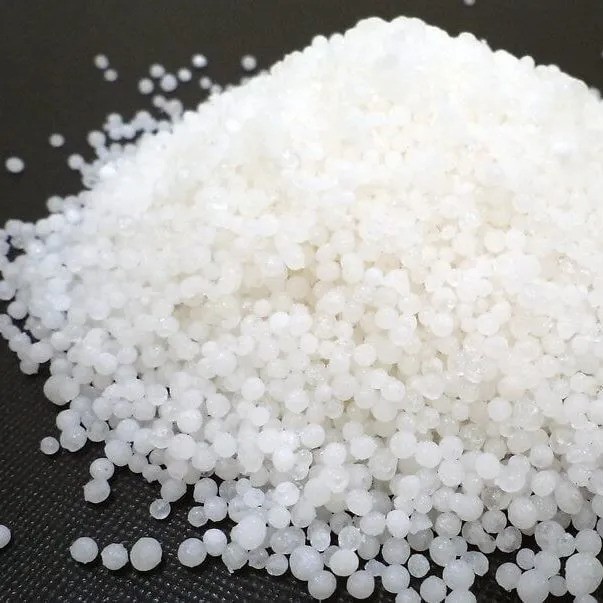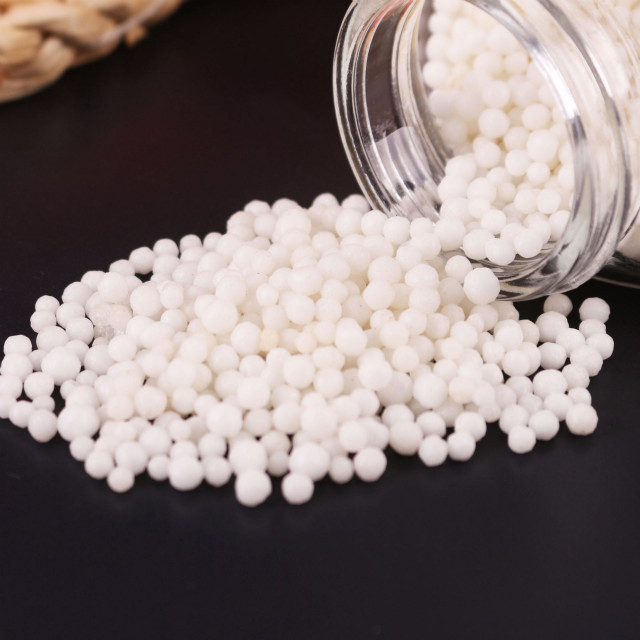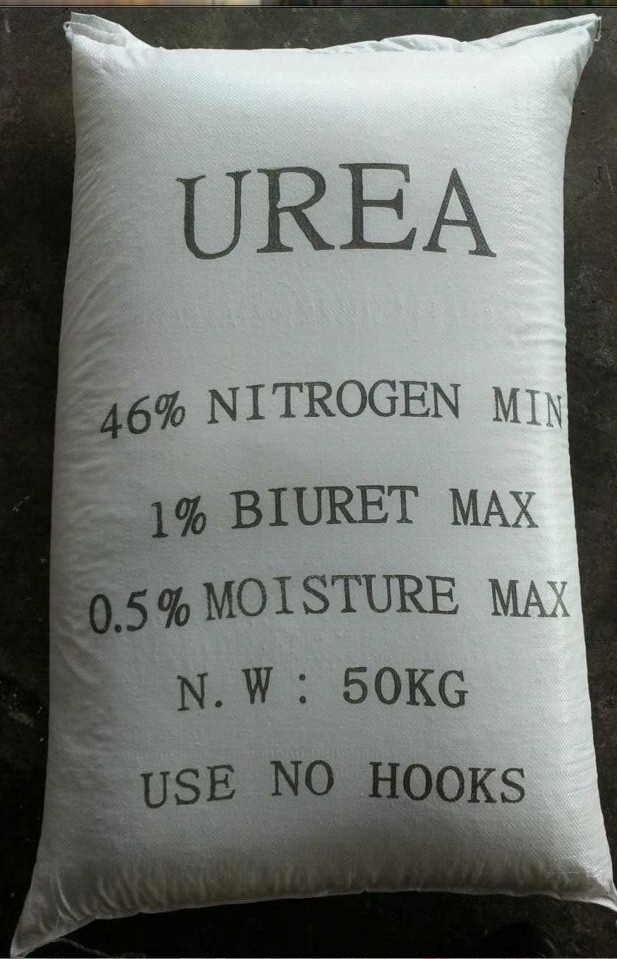
What is Urea?
Urea is an organic compound with the chemical formula CO(NH2)2.
It is a white, crystalline solid that contains carbon, nitrogen, hydrogen, and oxygen atoms.
Urea is a naturally occurring compound found in the urine of mammals, and it is also synthesized industrially for various applications.
Urea Characteristics and Properties
Key properties and characteristics of urea:
1. Nitrogen Source: Urea is the most commonly used nitrogen fertilizer in agriculture. It provides a high concentration of nitrogen, which is an essential nutrient for plant growth and development.
2. Water Solubility: Urea is highly soluble in water, making it suitable for various agricultural application methods, such as fertigation (application through irrigation) and foliar spraying.
3. Non-Volatile: Urea is a non-volatile solid, which means it does not readily vaporize at typical agricultural application temperatures.
4. Slow-Release: When applied to the soil, urea undergoes hydrolysis, breaking down into ammonium and carbonate ions.
This process results in a slow release of nitrogen over time, providing a steady supply of nutrients to plants.
5. Versatility: Urea is used not only as a fertilizer but also in various other applications, including animal feed, as a component in plastics and resins, and in the production of adhesives and cosmetics.
Urea is widely used in agriculture to supply nitrogen to crops. It is commonly applied to fields as granules, prills, or in liquid form.
When applied to the soil, urea undergoes a hydrolysis reaction catalyzed by urease enzymes in the soil, converting it into ammonium (NH4+) and bicarbonate (HCO3-) ions. The ammonium ions are retained in the soil, while the bicarbonate can react with the soil to form carbon dioxide (CO2) and water (H2O). In addition to its agricultural uses, urea has various industrial applications.
It is used as a raw material in the production of resins, adhesives, plastics, and glues. Urea is also used in the manufacture of melamine, which is a key component in the production of laminates and other engineered materials.
Overall, urea is a versatile and essential compound with significant applications in agriculture, industry, and various other fields.
Urea Grades
Urea is available in different grades, each formulated to meet specific requirements and applications. These grades vary in their purity, particle size, and intended uses.
Here are some common urea grades:
1. Agricultural Grade Urea: This is the most commonly used grade of urea and is primarily used as a nitrogen fertilizer in agriculture. It typically has a high nitrogen content, usually around 46% nitrogen.
Agricultural-grade urea is used to supply nitrogen to crops and promote healthy plant growth.
2. Industrial Grade Urea: Industrial-grade urea is used in various industrial applications, such as in the production of resins, adhesives, and plastics. It is also used as a nitrogen source in some chemical processes.
3. Feed Grade Urea: Feed-grade urea is used as a protein supplement in animal feed, especially for ruminant animals like cattle and sheep. It helps enhance the protein content of the feed and improves the nutritional value of the diet.
4. Prilled Urea: Prilled urea refers to urea granules or pellets with a relatively uniform size and shape. It is commonly used as a nitrogen fertilizer due to its ease of handling and application.
5. Granular Urea: Granular urea is a larger-sized urea product with particles of varying sizes. It is also used as a nitrogen fertilizer and is suitable for direct application to the soil.
6. Coated Urea: Coated urea is urea granules coated with a protective layer that regulates the release of nitrogen into the soil.
This controlled-release feature allows for a more sustained and efficient supply of nitrogen to plants over time.
7. Slow-Release Urea: Slow-release urea is designed to release nitrogen gradually, extending the availability of nutrients to plants and reducing the risk of nitrogen losses through leaching or volatilization.
8. Technical Grade Urea: Technical-grade urea is used in various technical and industrial applications, such as in the production of adhesives, glues, and resins.
The choice of urea grade depends on its intended use and specific application requirements. For agricultural purposes, agricultural-grade urea is the most common choice, providing a cost-effective and efficient nitrogen source for plant nutrition.
In industrial applications, urea may be used as a raw material for the production of various chemicals and materials, depending on its grade and purity.
Additionally, coated and slow-release urea products are often preferred in agriculture to optimize nutrient utilization and minimize environmental impacts.