What is ABS?
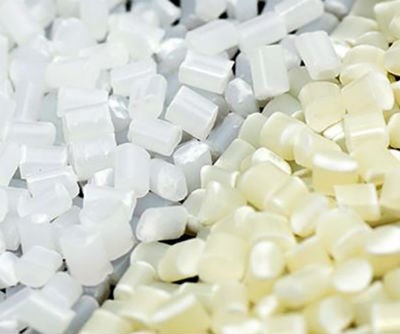
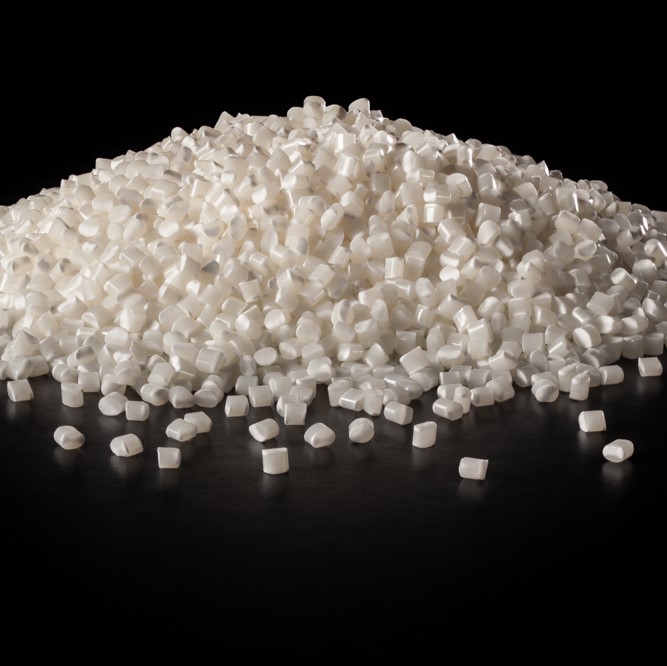
ABS stands for Acrylonitrile Butadiene Styrene, which is a common thermoplastic polymer known for its toughness, impact resistance, and versatility.
ABS is a copolymer made by polymerizing three monomers: acrylonitrile, butadiene, and styrene.
The ratio of these monomers can be adjusted to obtain various properties, making ABS suitable for a wide range of applications.
ABS Characteristics and Properties
Key properties and characteristics of ABS:
1. Toughness: ABS has excellent toughness and impact resistance, making it ideal for applications that require durability and resistance to mechanical stress.
2. Rigidity: ABS exhibits good rigidity and dimensional stability, making it suitable for parts that need to maintain their shape under load.
3. Chemical Resistance: ABS has good resistance to chemicals and can withstand exposure to many oils, acids, and alkalis.
4. Easy Processing: ABS is easy to process using methods like injection molding, extrusion, and blow molding, which allows for the production of complex shapes and designs.
5. Low Temperature Resistance: ABS retains its mechanical properties at low temperatures, which is essential for certain applications in cold environments.
6. Electrical Insulation: ABS offers good electrical insulating properties, making it suitable for electrical and electronic applications.
7. Surface Finish: ABS can be easily finished and painted, providing a smooth and aesthetically pleasing appearance.
ABS Applications and Usages
Common usages of ABS include:
1. Automotive Parts: ABS is used in various automotive components, including dashboards, interior trim, bumpers, and grilles, due to its impact resistance and rigidity.
2. Appliances: ABS is used in the manufacturing of household appliances, such as vacuum cleaner bodies, refrigerator liners, and washing machine parts.
3. Consumer Goods: ABS is used in the production of toys, luggage, computer peripherals, and consumer electronics.
4. Pipes and Fittings: ABS pipes and fittings are used for drainage systems and other plumbing applications.
5. Protective Cases: ABS is commonly used to make protective cases and enclosures for electronic devices and equipment.
6. 3D Printing: ABS is a popular material for 3D printing due to its ease of use and mechanical properties.
The versatility, mechanical properties, and ease of processing make ABS a widely used plastic in various industries, from automotive and electronics to consumer goods and construction.
ABS Grades
ABS (Acrylonitrile Butadiene Styrene) is available in various grades that are tailored to meet specific requirements and applications. These grades differ in their composition, properties, and intended uses.
Here are some common grades of ABS:
1. General-Purpose ABS: This is the standard grade of ABS used for a wide range of applications. It offers a balance of toughness, impact resistance, and rigidity, making it suitable for various consumer goods, automotive parts, and appliances.
2. Flame-Retardant ABS: Flame-retardant ABS grades are formulated to meet specific fire safety standards. These grades are used in applications where fire resistance is required, such as electrical enclosures and housings for electronic devices.
3. High-Impact ABS: High-impact ABS has been modified to provide enhanced impact resistance. It is used in applications where toughness is a critical requirement, such as automotive interior parts, luggage shells, and protective cases.
4. UV-Stabilized ABS: UV-stabilized ABS grades are designed to resist degradation and discoloration caused by prolonged exposure to ultraviolet (UV) radiation. They are used in outdoor applications to prevent fading and maintain appearance.
5. Conductive ABS: Conductive ABS grades contain additives that provide electrical conductivity. They are used in applications requiring static dissipation or electromagnetic shielding, such as electronic housings and packaging for sensitive electronic components.
6. Recycled ABS (rABS): Recycled ABS is made from post-consumer or post-industrial ABS waste, making it an environmentally friendly option. It is used in various applications where sustainability and recycling are priorities.
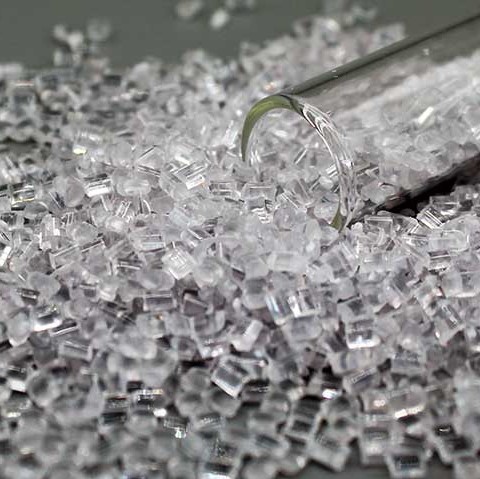
7. Transparent ABS: Transparent ABS grades have improved clarity and are used for applications that require see-through components, such as light covers, display cases, and lenses.
8. Medical-Grade ABS: Medical-grade ABS is manufactured under strict quality and regulatory standards to meet the specific requirements of medical devices and equipment.
The choice of ABS grade depends on the specific application requirements, such as mechanical properties, flame resistance, electrical conductivity, and environmental considerations.