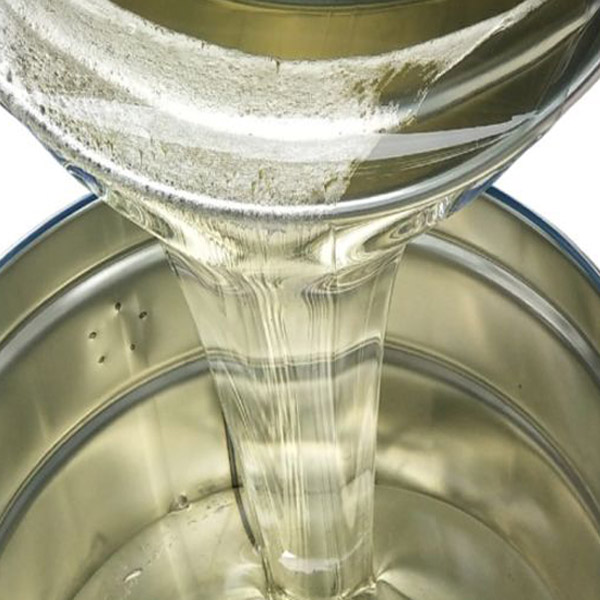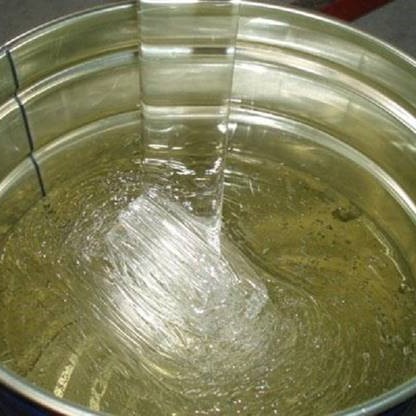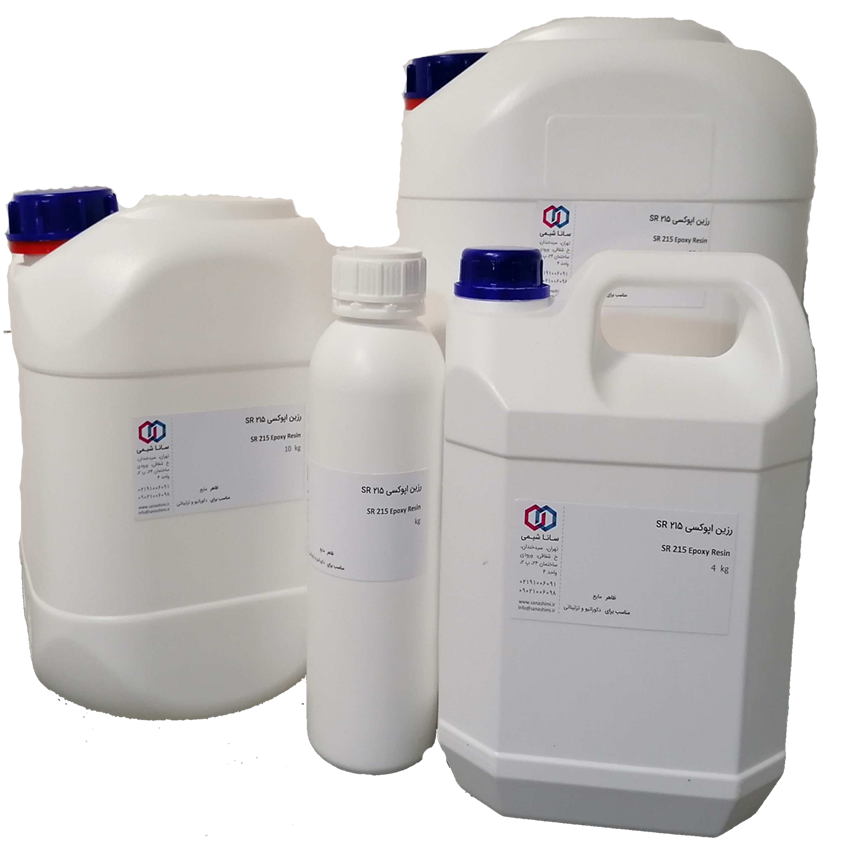
What is Epoxy Resin?
Epoxy Resin is a type of synthetic polymer or thermosetting resin that is created through the reaction of epoxy compounds with a curing agent or hardener.
It is a versatile material known for its excellent mechanical properties, adhesion, and chemical resistance.
Epoxy resins are widely used in various industries due to their ability to form strong and durable bonds with a wide range of materials.
Epoxy Resin Characteristics and Properties
Key properties and characteristics of epoxy resin:
1. Adhesion: Epoxy resins have excellent adhesive properties, allowing them to bond well with various substrates, including metals, concrete, ceramics, glass, and many plastics.
2. Strength and Durability: Epoxy resins are known for their high mechanical strength, toughness, and resistance to wear, making them suitable for demanding applications.
3. Chemical Resistance: Epoxy resins have good resistance to many chemicals, including acids, bases, solvents, and oils, making them ideal for applications in corrosive environments.
4. Low Shrinkage: Epoxy resins exhibit minimal shrinkage during the curing process, ensuring dimensional stability and accurate reproduction of molds and castings.
5. Low Volatility: Epoxy resins have low volatility, which means they emit minimal volatile organic compounds (VOCs) during the curing process.
6. Electrical Insulation: Epoxy resins are excellent electrical insulators, making them suitable for electrical and electronic applications.
Epoxy Resin Applications and Usages
Epoxy Resins are commonly used in a wide range of applications, including:
1. Adhesives and Sealants: Epoxy adhesives are widely used in bonding various materials together, including metals, composites, and ceramics.
2. Coatings and Paints: Epoxy coatings are applied to surfaces to provide protection against corrosion, chemicals, and abrasion.
3. Composite Materials: Epoxy resins are used as matrix materials in fiber-reinforced composites, such as carbon fiber composites and fiberglass.
4. Electronics and Electrical Components: Epoxy resins are used to encapsulate and protect electronic components and circuit boards.
5. Casting and Molding: Epoxy resins are used for casting and molding applications, such as in the production of prototypes, jewelry, and art pieces.
Due to its versatility and wide range of applications, epoxy resin has become a fundamental material in industries such as aerospace, automotive, electronics, construction, marine, and art and crafts.
Epoxy Resin Grades
Epoxy Resin grades refer to the different formulations and types of epoxy resins available to meet specific requirements and applications.
These grades vary in their properties, curing mechanisms, and intended uses.
Here are some common epoxy resin grades:
1. Standard Epoxy Resin: This is the most basic and widely used epoxy resin grade. It offers general-purpose properties and is commonly used in adhesives, coatings, and composite materials.
2. High-Performance Epoxy Resin: High-performance epoxy resins are formulated to provide enhanced mechanical properties, such as higher strength, toughness, and temperature resistance.
These resins are used in critical applications that require superior performance, such as aerospace, automotive, and structural engineering.
3. Waterborne Epoxy Resin: Waterborne epoxy resins are formulated with water as the solvent, making them environmentally friendly and easy to handle.
They are used in applications where low VOC emissions and easy cleanup are required, such as indoor coatings and adhesives.
4. Solventless Epoxy Resin: Solventless epoxy resins are 100% solid formulations that do not contain any volatile solvents.
They are used in applications requiring high strength, excellent adhesion, and minimal shrinkage, such as potting and encapsulation of electronic components.
5. Flexible Epoxy Resin: Flexible epoxy resins are designed to offer flexibility and impact resistance.
They are used in applications where the material needs to withstand movement or vibrations, such as in automotive adhesives and flexible coatings.
6. Optically Clear Epoxy Resin: Optically clear epoxy resins provide excellent clarity and transparency. They are used in applications such as optical lenses, displays, and LED encapsulation.
7. Flame-Retardant Epoxy Resin: Flame-retardant epoxy resins are formulated to meet specific fire safety requirements.
They are used in applications where fire resistance is crucial, such as aerospace and transportation.
8. Electrical Potting and Encapsulation Resins: Epoxy resins used for potting and encapsulating electronic components are formulated to provide excellent electrical insulation and protection against environmental factors like moisture and chemicals.
9. UV-Curable Epoxy Resin: UV-curable epoxy resins cure rapidly when exposed to ultraviolet (UV) light.
They are used in applications where fast curing times are required, such as rapid prototyping and electronic assembly.
The choice of epoxy resin grade depends on the specific requirements of the end product or application, such as mechanical properties, thermal resistance, flexibility, adhesion, and environmental considerations.