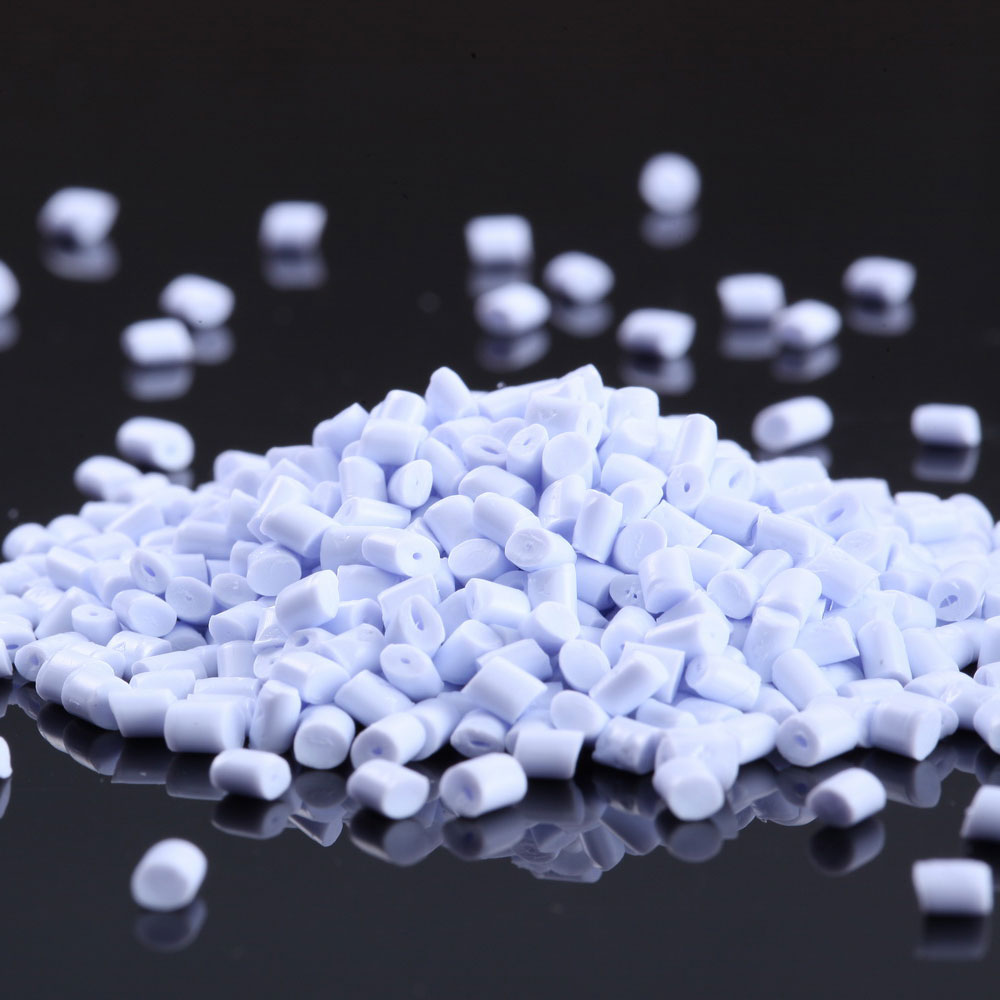
What is Masterbatch?
Masterbatch is a concentrated mixture of pigments, additives, or other substances that are used to color or modify the properties of plastic resins during the manufacturing process.
It is an essential tool in the plastics industry to achieve consistent and uniform coloring or to introduce specific performance-enhancing characteristics to plastic products.
Masterbatches are typically in the form of small pellets or granules, and they contain a high concentration of the desired additive or pigment dispersed within a carrier resin.
The carrier resin is often the same type of resin used in the final plastic product, which ensures compatibility and easy dispersion during processing.
Masterbatch Characteristics and Properties
Here are some key properties and characteristics of masterbatch:
- Coloration: One of the primary functions of masterbatch is to provide consistent and accurate coloring to the final product. Masterbatch comes in a wide range of colors and shades, making it easy to achieve specific color requirements.
- Additive Incorporation: Masterbatch can include various additives such as UV stabilizers, antioxidants, flame retardants, anti-static agents, and more. These additives can enhance the performance, durability, and functionality of the end product.
- Dispersion: Masterbatch is designed for optimal dispersion within the base material. Good dispersion ensures even coloring and consistent distribution of additives, resulting in a homogenous final product.
- Compatibility: Masterbatch must be compatible with the base material to ensure proper processing and material performance. Incompatibility can lead to issues such as poor dispersion, reduced mechanical properties, or compromised aesthetics.
- Dosage Rate: The amount of masterbatch added to the base material, known as the dosage rate, is a critical factor in achieving the desired properties. It is important to use the correct dosage to ensure consistent results and avoid overloading the material with additives. Processing
- Conditions: Masterbatch can affect processing parameters such as melt flow, viscosity, and processing temperature. It’s important to consider these factors during manufacturing to achieve optimal results. Performance
- Enhancements: Masterbatch can be formulated to enhance specific properties of the base material, such as increasing UV resistance, improving flame retardancy, providing anti-static properties, and more. Cost
- Efficiency: Masterbatch can be a cost-effective way to achieve desired color and functional effects, as compared to directly compounding additives and pigments into the base material.
- Storage Stability: Masterbatch should be stable during storage to maintain its properties over time. Proper storage conditions, such as temperature and humidity control, are essential to prevent degradation. Application
- Diversity: Masterbatch is used in a wide range of industries, including packaging, automotive, construction, electronics, and more. Its versatility allows it to meet the specific requirements of various applications.
- Environmental Considerations: Some masterbatch formulations are designed to be environmentally friendly, using bio-based materials or minimizing the use of harmful substances.
- Quality Control: Manufacturers of masterbatch conduct rigorous quality control measures to ensure consistent product performance and adherence to specifications.
Masterbatch Grades
Masterbatch grades refer to the specific formulations and types of masterbatches available to meet different application requirements.
These grades vary based on the type of masterbatch (color, additive, white, black, etc.) and the specific additives or pigments included.
Here are some common masterbatch grades:
1. Color Masterbatch Grades: – Standard Color Masterbatch: Offers a wide range of standard colors for general-purpose applications.
- High-Performance Color Masterbatch: Provides enhanced color fastness, light stability, and weather resistance for outdoor applications.
- Food-Grade Color Masterbatch: Complies with food-contact regulations and is used in food packaging and other food-related applications.
2. Additive Masterbatch Grades: – UV Stabilizer Masterbatch: Contains UV stabilizers to protect plastics from the degrading effects of ultraviolet radiation.
- Antioxidant Masterbatch: Incorporates antioxidants to prevent polymer degradation due to heat and oxidation.
- Antistatic Masterbatch: Imparts antistatic properties to plastics, reducing the buildup of static charge.
- Flame Retardant Masterbatch: Provides flame resistance to plastics, making them suitable for fire safety applications.
- Slip Agent Masterbatch: Reduces the coefficient of friction in plastic surfaces, improving slip and ease of handling.
3. White and Black Masterbatch Grades:
- White Masterbatch: Contains high concentrations of titanium dioxide or other white pigments for consistent and opaque white coloration.
- Black Masterbatch: Contains carbon black or other black pigments for deep black coloration.
4. Filler Masterbatch Grades:
- Calcium Carbonate Filler Masterbatch: Contains calcium carbonate as a cost-effective filler to enhance stiffness and reduce material costs.
- Talc Filler Masterbatch: Contains talc as a filler to improve mechanical properties and processability.
5. Specialty Masterbatch Grades:
- Conductive Masterbatch: Contains conductive materials for applications requiring static dissipation or electromagnetic shielding.
- Degradable Masterbatch: Incorporates additives to enhance the biodegradability or compostability of plastics.
The choice of masterbatch grade depends on the specific requirements of the end product and the desired performance characteristics.