What is PBR?
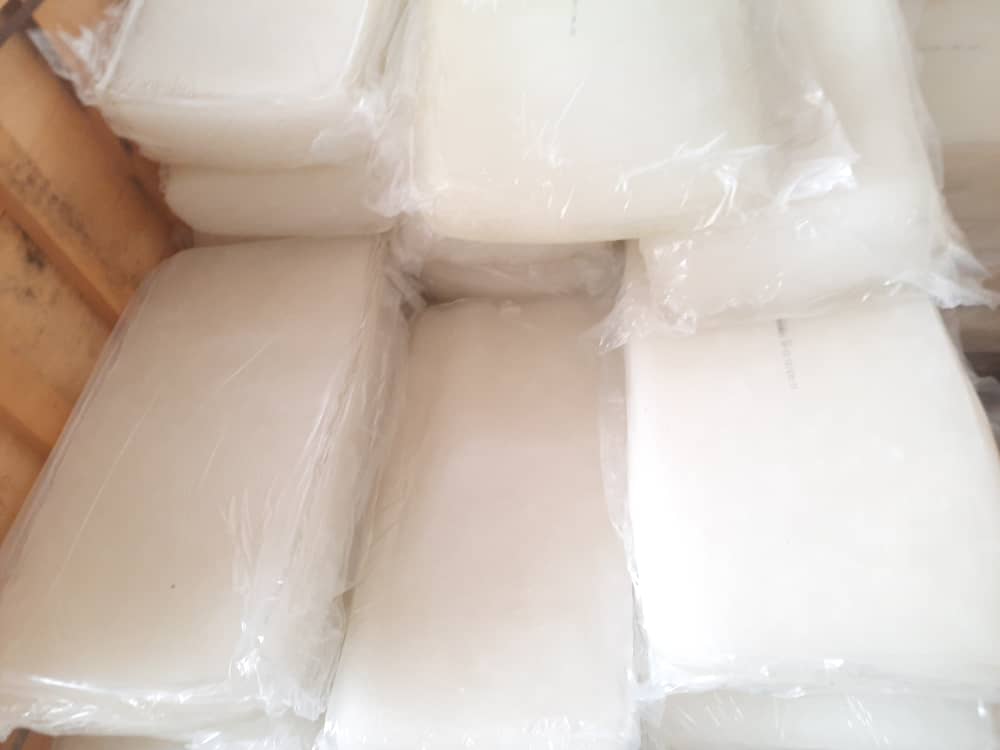
Polybutadiene rubber (PBR) is a synthetic elastomer or rubber made from the polymerization of butadiene, a monomer containing four carbon atoms.
It is a type of synthetic rubber known for its high elasticity, resilience, and low-temperature flexibility.
PBR is commonly used as a raw material in the production of various rubber products and is an essential component in the rubber industry.
PBR Characteristics and Properties
Key properties and characteristics of polybutadiene rubber:
1. High Elasticity: PBR exhibits excellent elasticity, making it suitable for applications that require rubber materials to recover their original shape after being stretched or deformed.
2. Low-Temperature Flexibility: PBR retains its flexibility and performance at low temperatures, making it suitable for applications in cold climates or refrigerated environments.
3. Resilience: PBR has good resilience, meaning it can absorb and recover from impacts or deformation, making it ideal for applications where shock absorption is required.
4. Chemical Resistance: PBR is generally resistant to many chemicals, oils, and solvents, which makes it suitable for applications exposed to such substances.
5. Weather Resistance: PBR has good resistance to weathering and aging, ensuring its durability in outdoor applications.
6. Poor Resistance to Heat and Sunlight: PBR does not perform well under high-temperature conditions or prolonged exposure to sunlight.
Polybutadiene rubber is often used in combination with other types of rubber, such as styrene-butadiene rubber (SBR) or natural rubber, to achieve specific properties tailored to different applications.
By blending different rubber types, manufacturers can create custom compounds with desired characteristics, including improved wear resistance, flexibility, and tear strength.
PBR Applications and Usages
Common applications of polybutadiene rubber include:
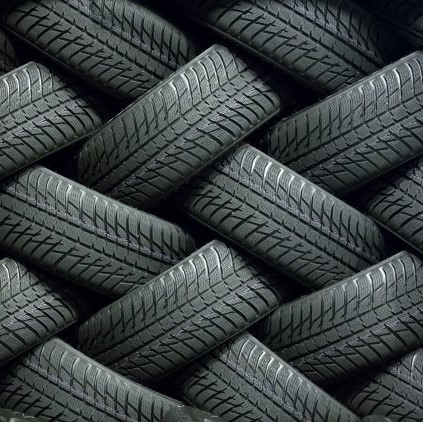
1. Tire Manufacturing: PBR is widely used in the production of tires for automobiles, trucks, and other vehicles due to its high elasticity and good abrasion resistance.
2. Conveyor Belts: PBR is used in the manufacture of conveyor belts for its excellent impact resistance and durability.
3. Vibration Isolators: PBR is utilized in the production of vibration isolators and dampers, which are used to reduce vibration and shock in various mechanical systems.
4. Sports Equipment: PBR is used in the production of sports equipment, such as golf balls and hockey pucks, for its excellent resilience and impact absorption properties.
Overall, polybutadiene rubber is a crucial component in the rubber industry and is valued for its unique combination of properties, which contribute to its extensive use in various applications.
PBR Grades
Polybutadiene rubber (PBR) is available in various grades that are formulated to meet specific requirements and applications.
These grades differ in their molecular structure, polymerization techniques, and additives used during the manufacturing process.
Here are some common grades of PBR:
1. High-Cis Polybutadiene (HCPBR): This grade of PBR contains a high proportion of cis-1,4-polybutadiene units, which results in excellent elasticity and resilience. HCPBR is commonly used in tire manufacturing, where high elasticity and low rolling resistance are essential.
2. Low-Cis Polybutadiene (LCPBR): LCPBR has a lower cis-1,4-polybutadiene content compared to HCPBR. It is used in applications where enhanced wear resistance and hardness are required, such as conveyor belts and mechanical goods.
3. Styrene-Butadiene Rubber-Butadiene Rubber (SBR-BR Blend): Blends of styrene-butadiene rubber (SBR) and polybutadiene rubber (PBR) are often used to improve the properties of SBR.
The addition of PBR enhances the resilience and low-temperature flexibility of SBR, making it suitable for tire sidewalls and other applications requiring improved elasticity.
4. High Vinyl Polybutadiene (HVPBR): This grade contains a higher proportion of vinyl 1,2-polybutadiene units.
HVPBR is used to improve tear strength and adhesion in rubber compounds, especially in tire manufacturing and other applications requiring high tear resistance.
5. High-Carbon Black-Loaded PBR: PBR grades that are heavily loaded with carbon black are used to achieve specific levels of reinforcement and wear resistance in various rubber products, including tires and conveyor belts.
6. Emulsion Polymerization PBR: Emulsion polymerization is a common method to produce PBR.
Emulsion PBR grades are typically used for specific applications like latex coatings, adhesives, and foam products.
7. Solution Polymerization PBR: Solution polymerization is another technique to produce PBR.
Solution PBR grades are commonly used for mechanical goods, such as vibration isolators and impact-resistant products.
The choice of PBR grade depends on the specific performance requirements of the end product and the desired characteristics, such as elasticity, resilience, abrasion resistance, and tear strength.