What is PET?
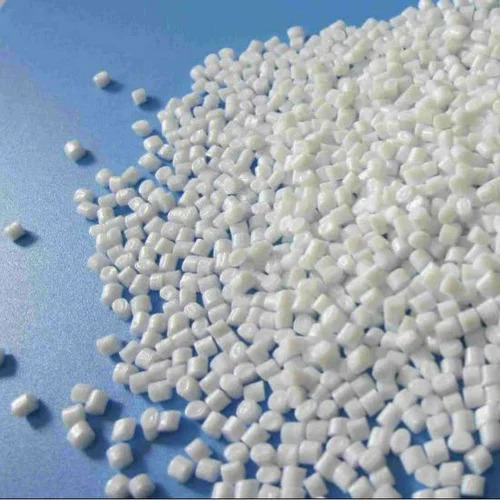
PET stands for Polyethylene terephthalate, which is a type of thermoplastic polymer. It is a highly versatile and widely used plastic with a range of applications.
PET is produced through the polymerization of the monomers ethylene glycol and terephthalic acid, or through the transesterification of ethylene glycol and dimethyl terephthalate.
PET Characteristics and Properties
Key properties and characteristics of PET:
1. High Strength and Durability: PET is known for its high mechanical strength and durability, making it suitable for various applications.
2. Lightweight: PET is a lightweight material, which is beneficial in applications where weight is a concern.
3. Clarity and Transparency: PET has excellent clarity and transparency, making it suitable for packaging applications where product visibility is essential.
4. Good Barrier Properties: PET offers good barrier properties against moisture, gases, and odors, making it suitable for food and beverage packaging.
5. Recyclable: PET is highly recyclable, and it is one of the most widely recycled plastics globally.
PET Applications and Usages
Common usages of PET include:
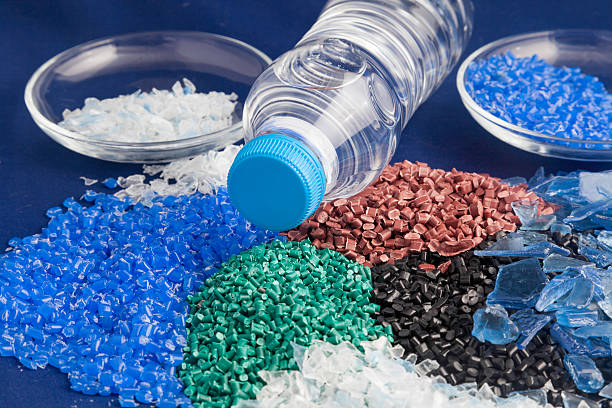
1. Packaging: PET is extensively used for packaging applications, such as water bottles, soft drink bottles, food containers, and blister packaging.
2. Textiles: PET fibers are used to make a wide range of textiles, including polyester fabrics for clothing and home furnishings.
3. Engineering Plastics: PET can be compounded with other materials to produce engineering plastics used in various industrial applications.
4. Films: PET films are used in applications such as packaging, electrical insulation, and imaging.
5. Medical Devices: PET is used in the production of medical devices and equipment due to its biocompatibility.
6. 3D Printing: PET is used as a filament material in 3D printing.
PET’s excellent properties, recyclability, and low cost have made it a popular choice for a variety of consumer and industrial applications.
Additionally, the use of PET in packaging has contributed to reducing the weight of packaging materials and promoting sustainable practices in the industry.
PET Grades
Polyethylene terephthalate (PET) is available in various grades that are tailored to meet specific requirements and applications. These grades differ in their properties, characteristics, and intended uses.
Some common PET grades include:
1. PET for Bottles: PET grades specifically designed for the production of beverage bottles and other food packaging.
These grades offer excellent clarity, transparency, and good barrier properties against moisture and gases.
2. PET for Films: PET grades suitable for producing various types of films, including packaging films, thermal laminates, and specialty films for industrial applications.
3. PET for Fibers: PET grades used to manufacture polyester fibers, commonly used in textile applications for clothing, home furnishings, and industrial fabrics.
4. PET for Engineering Plastics: PET can be modified to create engineering-grade plastics with enhanced mechanical properties, such as impact resistance and heat resistance.
These engineering-grade PET resins are used in automotive parts, electrical components, and other industrial applications.
5. PET for Thermoforming: PET grades designed for thermoforming applications, where the plastic sheet is heated and formed into various shapes for food containers, trays, and other packaging products.
6. Recycled PET (rPET): Recycled PET is made from post-consumer PET bottles and other PET waste. It is used in various applications, including new bottle production, polyester fibers, and other products where sustainability and environmental considerations are essential.
7. Medical Grade PET: PET grades that meet specific regulatory and quality standards for use in medical devices and equipment.
8. High Heat-Resistant PET: PET grades formulated to withstand high-temperature applications, making them suitable for products like microwaveable food containers and oven-safe packaging.
The choice of PET grade depends on the specific application requirements, such as clarity, mechanical properties, heat resistance, and regulatory compliance.