
What is Polyethylene?
Polyethylene is a widely used and versatile thermoplastic polymer composed of ethylene monomer units.
It is one of the most common types of plastics and is known for its durability, flexibility, and low cost.
Polyethylene is chemically inert, meaning it is resistant to many chemical reactions, and it has a high strength-to-weight ratio, making it ideal for various applications.
Polyethylene Applications and Usages
Polyethylene (PE) is a versatile and widely used plastic with numerous applications across various industries.
Some of the common usages of polyethylene include:
1. Packaging: PE is widely used for packaging applications due to its excellent barrier properties and flexibility. It is used to make plastic bags, shrink films, food containers, and bottles.
2. Pipes and Fittings: High-density polyethylene (HDPE) and cross-linked polyethylene (PEX) are commonly used in the construction industry for water supply pipes, gas distribution pipes, and drainage systems.
3. Films and Sheets: Polyethylene films and sheets are used in agriculture for greenhouse coverings, mulching, and silage storage.
They are also used in the construction of geomembranes for landfill liners and pond liners.
4. Automotive Components: Polyethylene is used in the automotive industry for various components, including fuel tanks, bumper bars, and interior trim parts.
5. Medical Devices: Ultra-high-molecular-weight polyethylene (UHMWPE) is used in medical implants and prosthetics due to its biocompatibility and low friction properties.
6. Wire and Cable Insulation: Polyethylene is used as an insulating material for electrical wires and cables due to its electrical properties and flexibility.
7. Toys and Sporting Goods: PE is used in the manufacturing of toys, sporting goods, and recreational equipment due to its impact resistance and lightweight nature.
8. Household Products: Polyethylene is used to make a variety of household products, including trash cans, buckets, and laundry baskets.
9. Agricultural Films: PE films are used in agriculture for mulching, greenhouse coverings, and crop protection to improve crop yield and quality.
10. Rotomolded Products: Rotomolding is a process used to create hollow products like water tanks, kayaks, and playground equipment using polyethylene.
The various types of polyethylene, such as LDPE, HDPE, and LLDPE, offer different properties suited for different applications, making it a versatile material with a wide range of uses in our everyday lives and industries.
Polyethylene Grades
Polyethylene can be classified into several main types based on its density and properties:
1. Low-Density Polyethylene (LDPE): LDPE has a low density and is flexible, tough, and resistant to impact. It is commonly used for plastic bags, packaging films, squeeze bottles, and coatings.
2. High-Density Polyethylene (HDPE): HDPE has a higher density and is more rigid compared to LDPE. It is used for various applications, including water pipes, milk jugs, detergent bottles, and plastic lumber.
3. Linear Low-Density Polyethylene (LLDPE): LLDPE is a variation of LDPE with linear polymer chains. It combines the flexibility of LDPE with some of the strength properties of HDPE.
It is used in applications like stretch films, garbage bags, and agricultural films.
4. Ultra-High-Molecular-Weight Polyethylene (UHMWPE): UHMWPE has an extremely high molecular weight, which imparts superior wear and abrasion resistance. It is used in applications such as bearings, gears, and medical implants.
Polyethylene is formed through the polymerization of ethylene gas under high pressure and temperature conditions. The resulting material can be molded, extruded, or blown into various shapes and forms, making it suitable for a wide range of products and applications in industries such as packaging, construction, automotive, and healthcare.
Its versatility, ease of processing, and cost-effectiveness have made polyethylene one of the most widely used plastics in the world.
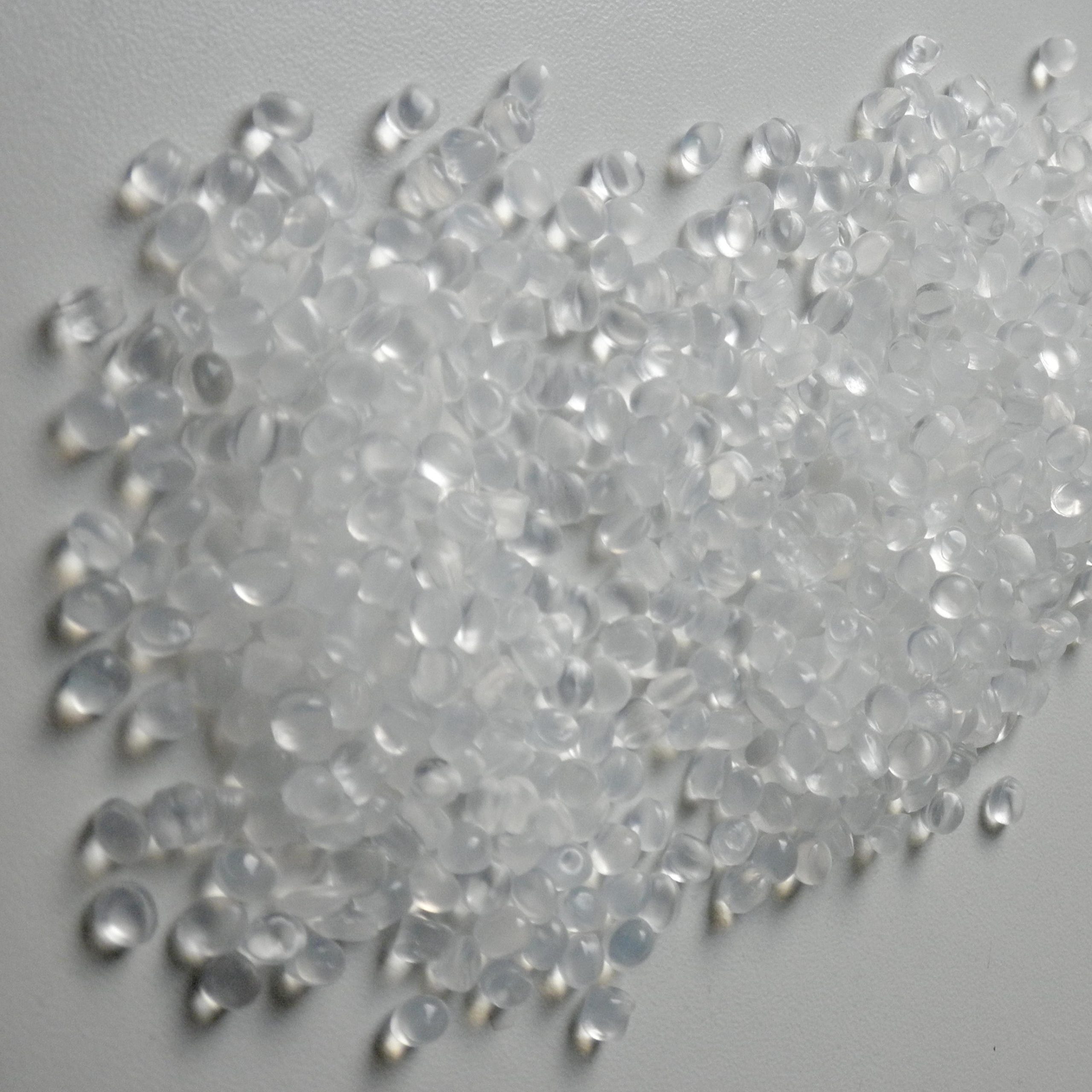
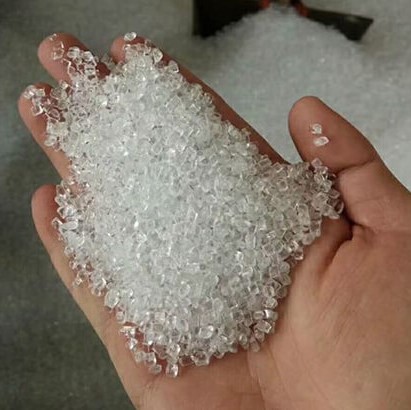
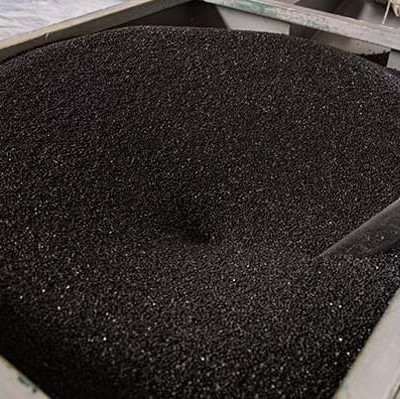
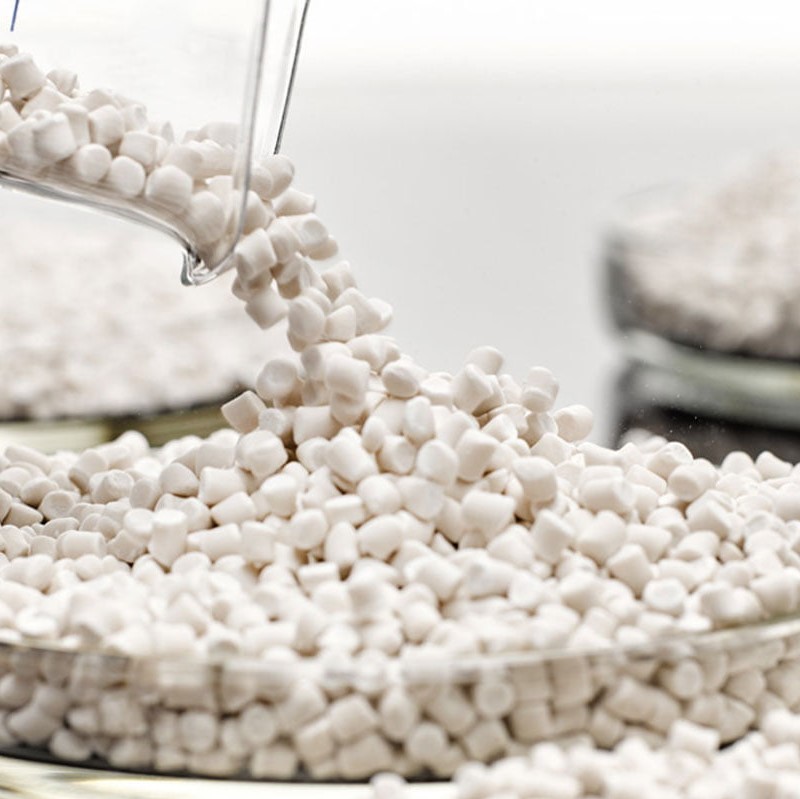
ESS Polyethylene Supplies
- Chemical Structure: LDPE is a polymer primarily composed of ethylene monomers. It has a branched structure with a high degree of chain branching, which contributes to its low density and unique properties.
- Density: LDPE has a density typically ranging from 0.910 to 0.940 g/cm³. This low density makes it lightweight and provides good flexibility.
- Melting Point: The melting point of LDPE is generally around 105-115°C (221-239°F), which allows it to be easily processed through various manufacturing methods.
- Melt Index (MI): LDPE’s melt index refers to the rate at which the polymer melts under a specified load and temperature. It is usually measured in g/10 min or g/100 min. LDPE can have a wide range of melt indices, indicating a variety of processability options.
- Mechanical Properties: LDPE exhibits good flexibility and elongation properties. It is not as strong as some other polymers but offers excellent impact resistance.
- Thermal Properties: LDPE has relatively low heat resistance compared to other plastics. It can withstand temperatures in the range of -50°C to 80°C (-58°F to 176°F) for short periods.
- Chemical Resistance: LDPE is resistant to a wide range of chemicals, including acids, bases, and alcohols. However, it may not be suitable for use with certain solvents or highly aggressive chemicals.
- Electrical Properties: LDPE is a good insulator and is commonly used in electrical cable and wire insulation.
- Transparency: LDPE is translucent and not as clear as other polymers like PET or PP.
- Processing Methods: LDPE can be processed using various techniques, including extrusion, blow molding, injection molding, and film blowing.
- Applications: LDPE is used in a wide range of applications, including but not limited to:
- Packaging films and bags
- Bottles and containers
- Plastic wraps and liners
- Agricultural films (greenhouse covers, mulch films)
- Medical equipment and devices
- Wire and cable insulation
- Toys and sporting goods
- Chemical Structure: HDPE is a polymer composed of ethylene monomers. It has a linear, highly crystalline structure with little to no branching, which contributes to its high density and unique properties.
- Density: HDPE has a density typically ranging from 0.940 to 0.970 g/cm³, making it one of the densest polymers. This high density provides excellent strength and rigidity.
- Melting Point: The melting point of HDPE is generally around 120-180°C (248-356°F), which allows it to be processed at higher temperatures compared to LDPE.
- Melt Index (MI): HDPE’s melt index can vary widely depending on the grade and application. It can have low to high melt indices, influencing its processability.
- Mechanical Properties: HDPE offers good tensile strength, impact resistance, and rigidity. It is tougher and more durable than LDPE, making it suitable for applications requiring strength and toughness.
- Thermal Properties: HDPE has good heat resistance and can withstand temperatures in the range of -50°C to 120°C (-58°F to 248°F) for short periods.
- Chemical Resistance: HDPE is highly resistant to a wide range of chemicals, including acids, bases, and alcohols. It is commonly used for chemical storage tanks and containers.
- Electrical Properties: HDPE is an excellent insulator and is used in various electrical and telecommunications applications.
- Transparency: HDPE is opaque and not transparent like some other plastics.
- Processing Methods: HDPE can be processed using methods such as extrusion, injection molding, blow molding, and rotational molding.
- Applications: HDPE finds use in numerous applications, including:
- Pipes and fittings for water and gas distribution
- Plastic bottles and containers
- Packaging materials
- Geomembranes for environmental containment (e.g., landfill liners)
- Industrial tanks and chemical containers
- Automotive components
- Playground equipment and toys
- Chemical Structure: LLDPE is a type of polyethylene with a linear molecular structure and some degree of short-chain branching. This combination of linear and branched chains gives LLDPE its distinctive properties.
- Density: LLDPE has a density typically ranging from 0.915 to 0.940 g/cm³. It falls between LDPE and HDPE in terms of density, contributing to a balance of properties.
- Melting Point: The melting point of LLDPE is similar to LDPE, usually in the range of 115-135°C (239-275°F).
- Melt Index (MI): LLDPE can have a wide range of melt indices, similar to LDPE. The melt index affects the processability of the polymer and its final properties.
- Mechanical Properties: LLDPE offers a good combination of strength, flexibility, and toughness. It has better tensile strength and puncture resistance compared to LDPE.
- Thermal Properties: LLDPE has good heat resistance, similar to LDPE, and can withstand temperatures in the range of -50°C to 80°C (-58°F to 176°F) for short periods.
- Chemical Resistance: LLDPE shares chemical resistance properties with LDPE, offering resistance to a wide range of chemicals, including acids, bases, and alcohols.
- Electrical Properties: LLDPE is an effective insulator and is used in applications that require electrical insulation.
- Transparency: LLDPE is translucent like LDPE and is not as clear as some other polymers.
- Processing Methods: LLDPE can be processed using methods such as extrusion, blow molding, injection molding, and film blowing, similar to LDPE.
- Applications: LLDPE is used in various applications, including:
- Packaging films and bags
- Agricultural films (mulch films, silage bags)
- Rotational molded products
- Flexible tubing and pipes
- Wire and cable insulation
- Coatings and laminates