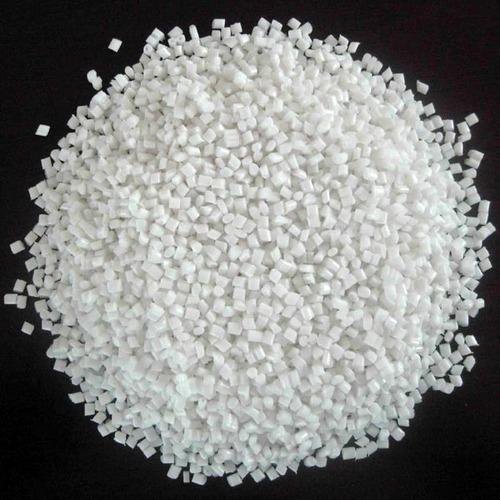
What is Polypropylene?
Polypropylene (PP) is a thermoplastic polymer made from the monomer propylene.
It is one of the most widely used plastics due to its excellent combination of properties, making it suitable for a broad range of applications.
Polypropylene is known for its high strength, chemical resistance, low density, and good thermal stability.
Key properties and characteristics of polypropylene:
1. High Strength: Polypropylene exhibits high tensile strength, making it a strong and durable material.
2. Chemical Resistance: PP is resistant to many chemicals, including acids, bases, and solvents, making it suitable for use in corrosive environments.
3. Low Density: Polypropylene has a low density, making it lightweight and ideal for applications where weight is a concern.
4. Heat Resistance: PP has good thermal stability and can withstand high temperatures, making it suitable for various applications involving heat.
5. Transparency: Polypropylene can be manufactured in a transparent form, making it suitable for clear packaging and containers.
6. Easy Processing: PP is easy to process using methods like injection molding, extrusion, and blow molding, which contributes to its wide range of applications.
7. Recyclability: Polypropylene is recyclable, which is an essential factor in promoting sustainable practices.
Polypropylene Applications and Usages
Some common usages of polypropylene include:
1. Packaging: Polypropylene is used for packaging applications, such as food containers, beverage bottles, and nonwoven bags.
2. Textiles: PP fibers are used to make various textile products, including carpets, upholstery, and geotextiles.
3. Automotive Components: PP is used in the automotive industry for interior and exterior components, such as bumpers, dashboard panels, and door trims.
4. Household Products: PP is used to manufacture a wide range of household items, including storage containers, kitchenware, and garden tools.
5. Medical Devices: Polypropylene is used in medical devices and equipment, such as syringes, vials, and surgical instruments.
6. Electrical Components: PP is used in electrical applications like cable insulation and electrical connectors.
Polypropylene’s versatility and favorable properties have made it one of the most important and widely used thermoplastics in various industries, including packaging, automotive, textiles, and consumer goods.
Polypropylene Grades
Polypropylene (PP) is a versatile thermoplastic polymer that comes in different grades optimized for various applications. Each grade has specific properties and characteristics tailored to meet the requirements of different industries and uses.
Here are some common polypropylene technical grades and their applications:
1. Homopolymer Polypropylene (PP-H):
- Properties: High stiffness, excellent chemical resistance, good electrical insulating properties, high tensile strength.
- Applications: Automotive parts, appliances, rigid packaging, fibers, films, pipes, sheets, and various molded products.
2. Random Copolymer Polypropylene (PP-R):
- Properties: Improved impact resistance compared to homopolymer PP, transparency, good chemical resistance.
- Applications: Packaging films, injection-molded parts, housewares, medical products, and transparent containers.
3. Block Copolymer Polypropylene (PP-B):
- Properties: Enhanced impact resistance at low temperatures, good chemical resistance, better transparency compared to homopolymer.
- Applications: Automotive components, food containers, pipes, medical products, and consumer goods.
4. Catalyst-Based Copolymer Polypropylene (PP-C):
- Properties: High flexibility, excellent impact resistance, good transparency, and processability.
- Applications: Flexible packaging, films, pouches, and textiles.
5. High-Melt-Strength Polypropylene (HMS-PP):
- Properties: High melt strength, good impact resistance, excellent processability for foam extrusion.
- Applications: Foam packaging, automotive interior parts, construction materials.
6. Fiber-Grade Polypropylene (PP-F):
- Properties: High tenacity, good resistance to chemicals and UV radiation, excellent processability for fiber spinning.
- Applications: Textiles, ropes, woven bags, geotextiles.
7. High-Stiffness Polypropylene (PP-HS):
- Properties: High stiffness and strength, good chemical resistance, improved heat resistance.
- Applications: Automotive parts, appliance housings, industrial containers.
8. Metallic-Catalyst Polypropylene (PP-M):
- Properties: Improved transparency, good chemical resistance, often used in cast film extrusion.
- Applications: Food packaging, label films, stationery products.
9. Nucleated Polypropylene (PP-N):
- Properties: Faster crystallization, improved stiffness, transparency, and impact resistance.
- Applications: Injection-molded parts, thermoformed packaging, housewares.
10. High-Flow Polypropylene (PP-HF):
- Properties: Low melt viscosity, excellent flowability, suitable for thin-wall molding and complex parts.
- Applications: Thin-walled containers, caps and closures, consumer products.
These are just a few examples of polypropylene technical grades, and there are many more variations and blends available in the market, each designed to meet specific performance and processing requirements.
When selecting a polypropylene grade for a particular application, it’s important to consider factors such as mechanical properties, chemical resistance, thermal stability, processability, and cost.