
What is Polystyrene?
Polystyrene is a synthetic polymer made from the monomer styrene. It is a rigid and lightweight plastic with a wide range of applications due to its excellent combination of properties.
Polystyrene can be produced in two main forms:
expanded polystyrene (EPS) and solid polystyrene:
1. Expanded Polystyrene (EPS): EPS is made by expanding polystyrene beads with the help of a blowing agent during the manufacturing process.
This results in a lightweight and cellular material with a high insulation value. EPS is commonly used for packaging materials, insulation boards, and disposable food containers.
2. Solid Polystyrene: Solid polystyrene is a rigid, transparent, and amorphous plastic. It is available in various forms, including sheets, rods, and molded products.
Solid polystyrene is commonly used for consumer goods, such as toys, kitchenware, CD cases, and medical devices.
Polystyrene Characteristics and Properties
Key properties and characteristics of polystyrene:
1. Rigid and Lightweight: Polystyrene is lightweight and has high rigidity, making it easy to handle and suitable for applications where weight is a concern.
2. Good Insulation: Expanded polystyrene has excellent thermal insulation properties, making it ideal for insulating buildings and temperature-sensitive products during transportation.
3. Low Water Absorption: Polystyrene has low water absorption, which contributes to its use in packaging applications.
4. Transparent and Versatile: Solid polystyrene is transparent and can be easily molded or shaped, making it suitable for a wide range of applications.
5. Recyclability: Polystyrene is recyclable, and efforts are being made to improve its recycling rates and reduce environmental impact.
Polystyrene Applications and Usages
Some common usages of polystyrene include:
1. Packaging: Expanded polystyrene (EPS) is widely used for protective packaging, coolers, and insulation in shipping containers.
2. Food Service Containers: Polystyrene is used for making disposable food containers, cups, and plates.
3. Consumer Goods: Solid polystyrene is used in various consumer goods, such as toys, stationery, CD cases, and hangers.
4. Construction: Polystyrene is used in the construction industry for insulation panels and as a core material for sandwich panels.
Polystyrene Grades
Polystyrene (PS) is available in various grades, each with specific properties suited for different applications.
The two main forms of polystyrene are solid polystyrene and expanded polystyrene (EPS), each with their own grades.
Here are some common grades of polystyrene:
1. General-Purpose Polystyrene (GPPS): GPPS is a solid, transparent, and rigid form of polystyrene.
It is the most common grade used for consumer goods, such as toys, stationery, CD cases, and cosmetic packaging. GPPS offers good clarity and is easily processed through injection molding and extrusion.
2. High Impact Polystyrene (HIPS): HIPS is a toughened grade of polystyrene that has been modified to improve its impact resistance. It is commonly used in applications where higher durability and resistance to impact are required, such as in refrigerator liners, luggage, and automotive components.
3. Crystal Polystyrene: Crystal polystyrene is a high-purity, clear grade of polystyrene that offers excellent transparency and good physical properties. It is used in optical applications, display cases, and food packaging where clarity is important.
4. Extruded Polystyrene (XPS): XPS is a dense and closed-cell form of polystyrene used primarily for thermal insulation in construction and building applications. It offers excellent thermal resistance and water resistance.
5. Expanded Polystyrene (EPS): EPS is a lightweight cellular form of polystyrene produced by expanding polystyrene beads with a blowing agent. It is used for protective packaging, insulation, and in the construction of foam products like cups and food containers.
6. High-Density Polystyrene (HDPS): HDPS is a high-density form of polystyrene with increased rigidity and tensile strength. It is used in applications where a higher density and mechanical strength are required, such as in laboratory equipment and disposable cutlery.
These are some of the common grades of polystyrene available in the market. The choice of grade depends on the specific application requirements, such as mechanical properties, transparency, and insulation needs.


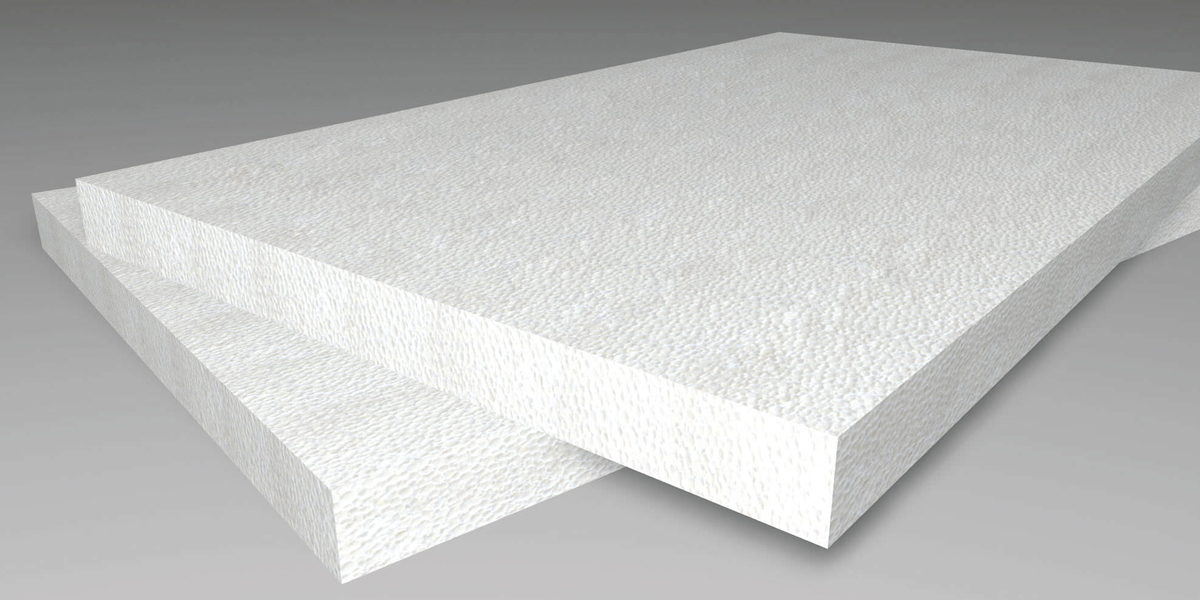

ESS Polystyrene Supplies
- Density: The density of GPPS typically ranges from 1.04 to 1.06 g/cm³.
- Melt Flow Index (MFI): The MFI of GPPS is usually between 2 and 12 g/10 min. MFI indicates the ease of flow of the material during processing, with higher values representing greater flow.
- Tensile Strength: GPPS typically has a tensile strength of around 45 to 60 MPa (megapascals).
- Flexural Strength: The flexural strength of GPPS is approximately 60 to 80 MPa.
- Impact Resistance: GPPS has relatively low impact resistance compared to other plastics, with Izod impact values in the range of 1 to 3 J/cm.
- Transparency: GPPS is known for its excellent transparency and clarity, making it suitable for applications where optical properties are important.
- Heat Resistance: GPPS has limited heat resistance, with a glass transition temperature (Tg) typically around 70-85°C.
- Processing Temperature: GPPS is typically processed at temperatures between 180°C and 220°C.
- Chemical Resistance: GPPS is sensitive to certain chemicals, solvents, and UV radiation, which can lead to degradation over time.
- Flammability: GPPS is a flammable material and may burn when exposed to an open flame.
- Electrical Properties: GPPS is an insulating material and is used in applications that require electrical insulation.
- Applications: GPPS is commonly used in products such as food packaging, disposable cutlery, CD/DVD cases, cosmetic containers, toys, and various consumer goods.
- Density: The density of HIPS typically ranges from 1.04 to 1.05 g/cm³.
- Melt Flow Index (MFI): The MFI of HIPS can vary, but it is generally in the range of 3 to 10 g/10 min. MFI measures the flowability of the material during processing, with higher values indicating greater flow.
- Tensile Strength: HIPS typically has a tensile strength of around 30 to 45 MPa.
- Flexural Strength: The flexural strength of HIPS is usually in the range of 45 to 70 MPa.
- Impact Resistance: HIPS is known for its good impact resistance. It has Izod impact values ranging from 10 to 30 J/cm, depending on the grade and specific formulation.
- Transparency: HIPS is often opaque but can be formulated to achieve varying levels of translucency or transparency.
- Heat Resistance: HIPS has a lower heat resistance compared to some other plastics, with a glass transition temperature (Tg) typically around 70-90°C.
- Processing Temperature: HIPS is typically processed at temperatures between 180°C and 220°C.
- Chemical Resistance: HIPS can be sensitive to certain chemicals and solvents, and its resistance to these substances may vary depending on the specific formulation.
- Flammability: HIPS is flammable and may burn when exposed to an open flame.
- Electrical Properties: HIPS is an electrical insulator and can be used in various electrical applications.
- Applications: HIPS is commonly used in applications such as packaging materials, toys, consumer goods, appliance parts, automotive interior parts, and more.
- Density: The density of EPS foam can vary depending on the specific formulation and application. Common densities range from 10 to 35 kg/m³ (0.6 to 2.2 lb/ft³).
- Thermal Conductivity: EPS is valued for its thermal insulation properties. The thermal conductivity of EPS typically ranges from 0.03 to 0.04 W/(m·K), making it an effective insulating material.
- Compressive Strength: The compressive strength of EPS foam varies based on its density and intended use. For example, EPS used in construction applications might have compressive strengths ranging from 100 to 700 kPa (14.5 to 101.5 psi).
- Water Absorption: EPS foam has low water absorption, typically less than 5% by volume.
- Flammability: EPS is flammable and can melt when exposed to an open flame. Flame-retardant additives may be used to enhance its fire resistance.
- Dimensional Stability: EPS foam is relatively stable and maintains its shape and dimensions under normal conditions.
- Chemical Resistance: EPS is resistant to many chemicals and does not easily degrade when exposed to most common substances.
- Environmental Impact: EPS is recyclable, and efforts are being made to increase its sustainability through recycling programs and the development of bio-based alternatives.
- Applications: EPS is widely used in insulation for buildings, protective packaging for fragile items, flotation devices, and as a core material in composite panels.
- Density: The density of XPS foam can vary depending on the specific formulation and application. Common densities range from 28 to 45 kg/m³ (1.75 to 2.8 lb/ft³).
- Thermal Conductivity: XPS is known for its excellent thermal insulation properties. The thermal conductivity of XPS typically ranges from 0.028 to 0.035 W/(m·K), making it highly effective for insulating applications.
- Compressive Strength: XPS foam has good compressive strength, often ranging from 250 to 700 kPa (36 to 101.5 psi), depending on the density.
- Water Absorption: XPS has low water absorption, usually less than 1% by volume. This property makes it suitable for applications where moisture resistance is important.
- Flammability: XPS is combustible and can melt when exposed to an open flame. Flame-retardant additives may be incorporated to enhance its fire resistance.
- Dimensional Stability: XPS foam is dimensionally stable and maintains its shape and size over time.
- Chemical Resistance: XPS is generally resistant to chemicals and does not easily degrade when exposed to most common substances.
- Environmental Impact: XPS is not biodegradable and may have environmental considerations. Some manufacturers offer environmentally friendly formulations or recycling options.
- Applications: XPS is commonly used in building insulation for walls, roofs, and foundations. It’s also used in various commercial and industrial applications where thermal and moisture resistance are important.