What is PVC?
Polyvinyl chloride, commonly known as PVC, is a synthetic thermoplastic polymer made from the monomer vinyl chloride.
It is one of the most widely used and versatile plastics due to its excellent combination of properties and relatively low cost of production.
PVC is produced through polymerization of vinyl chloride monomers under controlled conditions.
PVC Characteristics and Properties
Key properties and characteristics of PVC:
1. Versatility: PVC can be formulated in different ways to achieve specific properties, making it suitable for a wide range of applications.
2. Durable and Weather-Resistant: PVC is known for its durability and resistance to weathering, making it suitable for both indoor and outdoor applications.
3. Flame Retardant: PVC can be formulated to be flame retardant, making it suitable for fire-resistant applications.
4. Good Electrical Insulator: PVC has good electrical insulation properties, making it suitable for electrical wiring and cable sheathing.
5. Chemical Resistance: PVC is resistant to many chemicals, making it suitable for use in corrosive environments.
6. Lightweight: PVC is relatively lightweight compared to other materials, which makes it easy to handle and transport.
PVC Applications and Usages
Some common usages of PVC include:
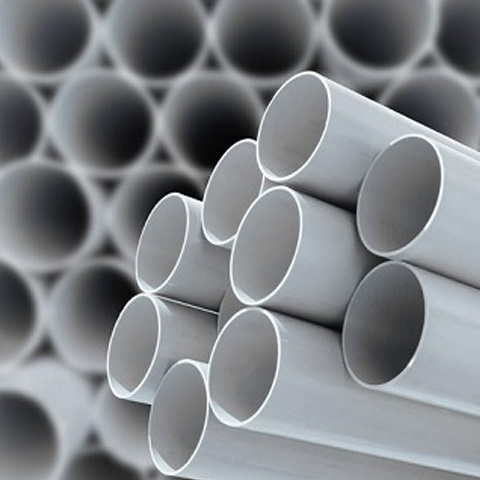
1. Pipes and Fittings: PVC pipes are commonly used in plumbing and drainage systems due to their corrosion resistance and durability.
2. Vinyl Siding and Window Frames: PVC is used for vinyl siding and window frames in construction due to its weather resistance and low maintenance.
3. Electrical Insulation: PVC is used for electrical wiring and cable sheathing due to its good electrical insulation properties.
4. Flooring: PVC is used in various types of flooring, including vinyl tiles and vinyl sheet flooring.
5. Vinyl Wall Coverings: PVC is used for vinyl wall coverings in both residential and commercial spaces.
6. Medical Devices: PVC is used in medical devices and equipment, such as IV bags and tubing, due to its biocompatibility.
PVC Grades
Polyvinyl chloride (PVC) is available in various grades that are tailored to meet specific requirements and applications. The grades of PVC are typically differentiated based on their properties, additives, and processing methods.
Here are some common grades of PVC:
1. Rigid PVC (RPVC): Rigid PVC, also known as unplasticized PVC (uPVC), is a hard and stiff form of PVC. It does not contain plasticizers, which gives it enhanced mechanical strength and stability.
RPVC is commonly used for applications where rigidity and dimensional stability are essential, such as pipes, fittings, window profiles, and construction materials.
2. Flexible PVC (FPVC): Flexible PVC, also known as plasticized PVC (pPVC), contains plasticizers to make it more flexible and soft.
It has good flexibility and is easily bendable, making it suitable for applications like electrical cables, automotive interiors, hoses, and inflatable products.
3. Foam PVC (Expanded PVC): Foam PVC is produced by adding a foaming agent to the PVC formulation, resulting in a cellular structure with lower density and improved thermal and sound insulation properties.
Foam PVC is used for signage, display boards, and other applications where a lightweight and rigid material is required.
4. Clear PVC: Clear PVC is formulated to be transparent, allowing it to be used for products like clear tubing, transparent bags, and packaging materials.
5. CPVC (Chlorinated Polyvinyl Chloride): CPVC is a modified form of PVC, where additional chlorine atoms are introduced to the polymer chains.
CPVC offers enhanced temperature resistance and is commonly used for hot water pipes and fittings.
6. Specialty Grades: PVC can be compounded with various additives and modifiers to create specialty grades for specific applications.
These may include UV-stabilized PVC, flame-retardant PVC, antimicrobial PVC, and more.
The choice of PVC grade depends on the specific application requirements, such as mechanical properties, flexibility, chemical resistance, and environmental factors.