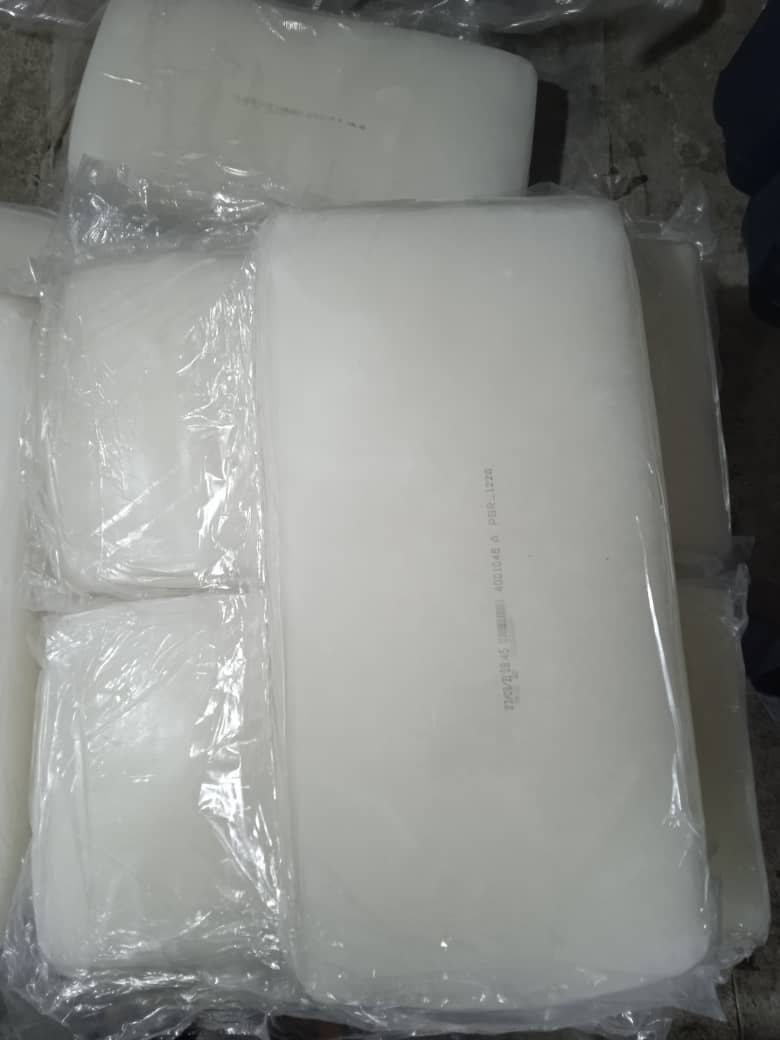
What is SBR?
Styrene-Butadiene Rubber, commonly known as SBR, is a synthetic elastomer or rubber made from the copolymerization of styrene and butadiene.
It is one of the most widely used and versatile types of synthetic rubber due to its excellent balance of properties and cost-effectiveness.
SBR is produced through a solution polymerization process, where the styrene and butadiene monomers are polymerized together in the presence of a catalyst.
SBR Characteristics and Properties
Key properties and characteristics of styrene-butadiene rubber (SBR):
1. Good Wear Resistance: SBR exhibits good wear resistance, making it suitable for applications where the rubber material needs to withstand abrasion and wear.
2. High Resilience: SBR has good resilience, allowing it to recover its shape after being stretched or deformed.
3. Good Flexibility: SBR is flexible and can maintain its properties at low temperatures, making it suitable for cold weather applications.
4. Weather Resistance: SBR has reasonable weather resistance, although it is not as resistant to aging and ozone as some other elastomers.
5. Good Adhesion: SBR has good adhesion to various materials, allowing it to be used in bonding rubber to other substrates.
6. Cost-Effective: SBR is cost-effective compared to some other synthetic rubbers, making it a popular choice for many applications.
SBR Applications and Usages
Common usages of styrene-butadiene rubber (SBR) include:
1. Tires: SBR is extensively used in the production of automobile and truck tires, where it provides good wear resistance, traction, and rolling properties.
2. Conveyor Belts: SBR is used in conveyor belts for its wear resistance and flexibility.
3. Footwear: SBR is used in the production of shoe soles and heels due to its durability and cost-effectiveness.
4. Seals and Gaskets: SBR is used in seals and gaskets in various industries, including automotive and construction.
5. Industrial and Mechanical Goods: SBR is used to manufacture various mechanical goods, such as hoses, vibration isolators, and flexible couplings.
6. Adhesives: SBR is used in the production of some adhesives and bonding compounds due to its good adhesion properties.
SBR can be blended with other elastomers or modified with additives to tailor its properties for specific applications.
This adaptability makes SBR a widely used and versatile material in industries such as automotive, construction, footwear, and general manufacturing.
SBR Grades
Styrene-Butadiene Rubber (SBR) is available in different grades, each formulated to meet specific requirements and applications.
These grades differ in their polymerization process, styrene-to-butadiene ratio, and other additives used during manufacturing.
Here are some common grades of SBR:
1. Emulsion Polymerization SBR (E-SBR): Emulsion SBR is produced through emulsion polymerization, resulting in particles suspended in water.
It is widely used in the tire industry for passenger car tires, truck tires, and other applications requiring good wear resistance and low rolling resistance.
2. Solution Polymerization SBR (S-SBR): Solution SBR is produced through solution polymerization, leading to a more uniform polymer structure.
It is used in high-performance tires, especially in tire treads, to improve wet grip and reduce rolling resistance for improved fuel efficiency.
3. High Styrene SBR (HS-SBR): HS-SBR has a higher styrene content, which results in improved tear strength and abrasion resistance.
It is used in mechanical goods, conveyor belts, and other applications where good wear resistance is essential.
4. Low Styrene SBR (LS-SBR): LS-SBR has a lower styrene content, providing improved flexibility and resilience.
It is commonly used in footwear, shoe soles, and other applications that require good flexibility.
5. Oil-Extended SBR: SBR grades can be extended with oils to achieve specific properties like low heat build-up and better resistance to aging.
Oil-extended SBR is used in various applications, including industrial rubber products.
6. Cold-Polymerized SBR: Cold-polymerized SBR is produced at lower temperatures, leading to improved processing characteristics and reduced energy consumption during manufacturing.
7. Styrene-Butadiene-Styrene (SBS) Block Copolymers: These are SBR grades that are chemically modified to form block copolymers with other materials, such as styrene-butadiene-styrene (SBS) copolymers.
SBS block copolymers are used in applications requiring enhanced toughness, adhesion, and flexibility, such as in adhesives and sealants.
The choice of SBR grade depends on the specific requirements of the end product, such as wear resistance, flexibility, tear strength, and processability.