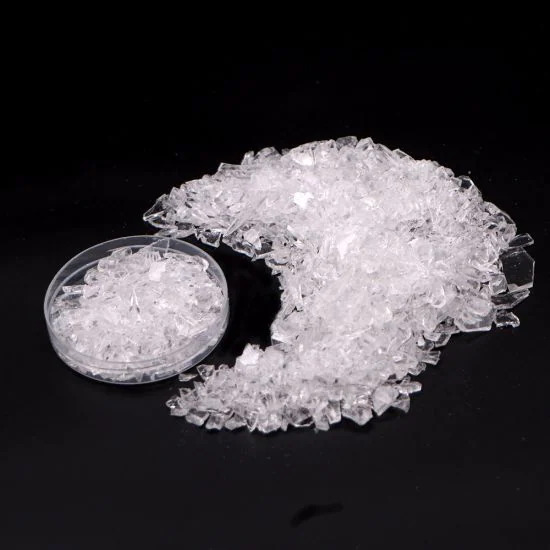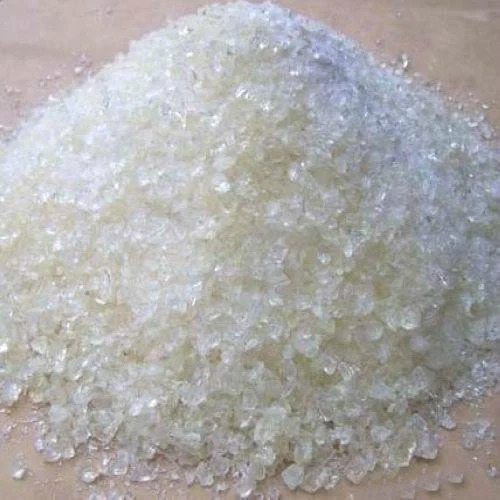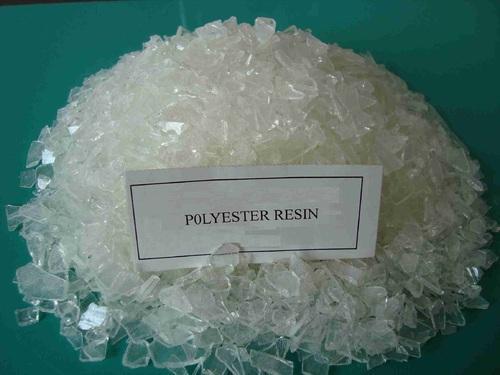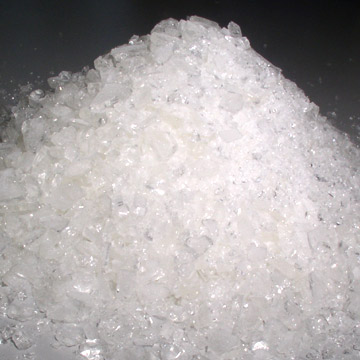
What is Unsaturated Polyester Resin?
Unsaturated Polyester Resin (UPR) is a type of thermosetting synthetic resin that is widely used in various applications due to its versatility, low cost, and excellent mechanical properties.
UPR is formed through the condensation polymerization of unsaturated dibasic acids or anhydrides with diols or polyols. It is called “unsaturated” because it contains unsaturated carbon-carbon double bonds in its molecular structure.
UPR Characteristics and Properties
Key properties and characteristics of unsaturated polyester resin:
1. Polymerization: UPR undergoes crosslinking polymerization when combined with a reactive monomer, typically a vinyl monomer like styrene.
This polymerization process is initiated by the addition of a catalyst and promoted by heat or UV light.
2. Excellent Adhesion: UPR exhibits good adhesion to various materials, including glass fibers, metals, and other composite materials, making it suitable for applications that require strong bonds.
3. High Mechanical Strength: UPR offers good mechanical strength, rigidity, and impact resistance, making it suitable for load-bearing applications.
4. Corrosion Resistance: UPR provides good resistance to a wide range of chemicals, making it suitable for applications in aggressive environments.
5. Low Shrinkage: UPR exhibits low shrinkage during curing, ensuring minimal dimensional changes in molded or cast products.
6. Wide Range of Applications: UPR is used in various industries, including automotive, marine, construction, aerospace, electrical, and consumer goods.
UPR Applications and Usages
Common applications of unsaturated polyester resin include:
- Fiberglass Reinforced Plastics (FRP): UPR is widely used as a matrix material in the production of fiberglass composites, commonly known as fiberglass-reinforced plastics. FRP materials are used in boat hulls, automotive parts, pipes, tanks, and other structural components.
- Gel Coats: UPR is used in gel coats, which are applied as a protective and decorative layer to the surface of composite materials, providing a smooth and glossy finish.
- Castings and Molding: UPR is used for casting and molding applications to produce a wide range of products, including decorative items, sanitary ware, and electrical enclosures.
- Resin Transfer Molding (RTM) and Vacuum Infusion: UPR is used in processes like RTM and vacuum infusion to manufacture complex and large composite parts with high mechanical properties.
- Adhesives: UPR can be used as a binder in adhesive formulations for bonding various substrates.
Unsaturated polyester resin is a versatile material that can be tailored for specific applications by adjusting its composition and combining it with various fillers, reinforcements, and additives.
This flexibility makes UPR a popular choice in the manufacturing industry for a wide range of products.
UPR Grades
Unsaturated polyester resin (UPR) is available in different grades, each formulated to meet specific requirements and applications.
These grades vary in their properties, reactivity, and intended uses.
Here are some common UPR grades:
1. General-Purpose UPR: This is the most basic and widely used grade of UPR. It offers general-purpose properties and is commonly used in a variety of applications, such as fiberglass reinforced plastics (FRP), gel coats, and castings.
2. Isophthalic UPR: Isophthalic UPR contains isophthalic acid in addition to orthophthalic acid in its formulation. It provides improved chemical and corrosion resistance, making it suitable for applications in aggressive environments.
3. Orthophthalic UPR: Orthophthalic UPR is the standard grade and is widely used in various applications. It offers good mechanical properties and is cost-effective.
4. Dicyclopentadiene (DCPD) Modified UPR: DCPD-modified UPR is made by incorporating DCPD as a reactive diluent, which can reduce viscosity and improve processing characteristics.
5. Non-Thixotropic UPR: Non-thixotropic UPR is formulated to have a lower viscosity, making it easier to handle and apply in certain applications.
6. Flame-Retardant UPR: Flame-retardant UPR contains additives that provide improved fire resistance, making it suitable for applications requiring fire safety.
7. Fast-Curing UPR: Fast-curing UPR is designed to cure quickly under heat or UV light, improving production efficiency.
8. Low-Styrene Emission UPR: Low-styrene emission UPR is formulated to reduce styrene emissions during curing, addressing environmental and health concerns.
9. Vinyl Ester UPR: Vinyl ester UPR is a hybrid resin that combines the properties of UPR and epoxy resin. It offers enhanced chemical resistance and is used in demanding applications, such as in chemical storage tanks.
The choice of UPR grade depends on the specific requirements of the end product or application, such as chemical resistance, mechanical properties, curing time, and environmental considerations.