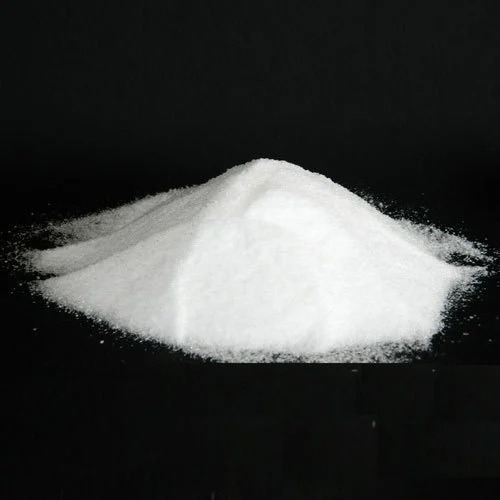
What is Urea Formaldehyde Resin?
Urea Formaldehyde Resin, often referred to as UF resin, is a type of thermosetting synthetic resin formed by the condensation reaction of urea and formaldehyde.
It is one of the oldest and most widely used synthetic resins due to its cost-effectiveness, excellent adhesive properties, and versatility.
UF resin is commonly used in the wood industry as an adhesive for wood-based products, such as plywood, particleboard, and fiberboard.
Urea Formaldehyde Resin Characteristics and Properties
Key properties and characteristics of urea formaldehyde resin:
1. Adhesive Strength: UF resin provides strong and durable bonds to wood and other lignocellulosic materials, making it suitable for wood panel production.
2. Fast Curing: UF resin cures relatively quickly under heat and pressure, enabling efficient production in industrial settings.
3. Cost-Effective: UF resin is more economical compared to some other synthetic resins, making it a preferred choice in the wood industry.
4. Good Compatibility: UF resin can be mixed with other resins and additives to modify its properties and suit specific applications.
5. Moderate Water Resistance: While UF resin offers some water resistance, it is not suitable for prolonged exposure to moisture or outdoor applications without additional treatments.
6. Formaldehyde Emission: UF resin releases formaldehyde gas during curing, which may raise concerns about indoor air quality and emissions.
Efforts are made to reduce formaldehyde emissions through the use of low-formaldehyde or no-added-formaldehyde (NAF) formulations.
Urea Formaldehyde Resin Applications and Usages
UF resin is used in various wood product applications, including:
- Plywood: UF resin is commonly used as a binder in plywood production, providing strong and uniform bonding between layers of veneer.
- Particleboard: UF resin is used to bind wood particles and fibers in the production of particleboard, which is a cost-effective alternative to natural wood.
- Medium Density Fiberboard (MDF): UF resin is employed in MDF production, where wood fibers are compressed and bonded to create a uniform and smooth surface material.
- Decorative Laminates: UF resin is used to bond decorative layers onto wood substrates, creating laminated materials used in furniture and interior finishes.
It is important to note that concerns about formaldehyde emissions have led to the development of alternative resins with reduced formaldehyde content, such as melamine formaldehyde (MF) and no-added-formaldehyde (NAF) resins, which are preferred for certain applications, especially those requiring low formaldehyde emissions for indoor air quality and environmental considerations.
Urea Formaldehyde Resin Grades
Urea formaldehyde resin (UF resin) is available in different grades, each formulated to meet specific requirements and applications.
These grades vary in their formaldehyde content, viscosity, and other properties.
Here are some common UF resin grades:
1. Standard UF Resin: This is the most basic and widely used grade of UF resin.
It contains a moderate amount of formaldehyde and is suitable for general-purpose applications, such as plywood, particleboard, and fiberboard production.
2. Low-Formaldehyde UF Resin: Low-formaldehyde UF resins are formulated to reduce formaldehyde emissions during curing.
These resins are used in applications where strict indoor air quality regulations or environmental considerations are important, such as in furniture and interior finishes.
3. Fast-Curing UF Resin: Fast-curing UF resins are designed to cure quickly under heat and pressure, improving production efficiency in industrial settings.
4. Modified UF Resin: Modified UF resins may include additives or modifiers to enhance specific properties, such as water resistance, adhesion to various substrates, or toughness.
5. Melamine-Modified UF Resin (MUF): MUF resins are blends of UF resins and melamine formaldehyde (MF) resins.
They provide improved water resistance and strength, making them suitable for exterior applications like outdoor furniture and construction materials.
6. High-Solid UF Resin: High-solid UF resins have a higher solid content, resulting in lower formaldehyde emissions during curing and reduced need for additional curing agents.
7. Thin UF Resin: Thin UF resins have a lower viscosity, making them easier to handle and apply in certain applications, such as spray-on adhesives.
8. Alkaline UF Resin: Alkaline UF resins have a higher pH level, which can provide improved stability and storage life.
The choice of UF resin grade depends on the specific requirements of the end product, such as formaldehyde emissions, water resistance, curing time, and adhesion to different substrates.