
What is Sulfur?
Sulfur is an essential element found in nature and is abundant in the Earth’s crust. Sulfur is a non-metal and belongs to Group 16 (also known as the chalcogens) on the periodic table.
Sulfur Characteristics and Properties
Key characteristics and properties of sulfur:
1. Physical Appearance: Sulfur exists in several forms, including bright yellow crystals, powder, or as a pale yellow solid. It can also occur in various allotropes, such as rhombic sulfur and monoclinic sulfur.
2. Odor: Sulfur has a distinct and strong odor, often described as the smell of rotten eggs. This odor is evident in certain sulfur-containing compounds.
3. Reactivity: Sulfur is chemically reactive and can form various compounds with other elements, such as hydrogen sulfide (H2S), sulfur dioxide (SO2), and sulfuric acid (H2SO4).
4. Applications: Sulfur has numerous industrial applications. It is used in the production of sulfuric acid, a key component in the chemical industry.
Sulfur is also used in the vulcanization of rubber, in the production of fertilizers like ammonium sulfate, and in the manufacturing of various chemical products.
5. Biological Role: Sulfur is an essential element for all living organisms.
It is a component of some amino acids (such as cysteine and methionine) and is critical for the structure and function of proteins.
6. Environmental Impact: Sulfur compounds, particularly sulfur dioxide (SO2), can contribute to air pollution when released into the atmosphere from various sources, including the burning of fossil fuels.
7. Elemental Sulfur: Elemental sulfur is used as a fungicide and pesticide in agriculture to control certain plant diseases and pests.
Sulfur plays a crucial role in various industries and has significant importance in both biological and environmental contexts.
Its compounds and applications range from chemical manufacturing and agriculture to medicine and environmental control.
The reactivity and versatility of sulfur make it an important element with numerous industrial and practical uses.
Sulfur Grades
Agricultural sulfur, also known as agricultural-grade sulfur or elemental sulfur, does not have specific “grades” in the same way that some other products might.
Unlike industrial chemicals or certain materials that may have different grades based on purity or specifications, agricultural sulfur is typically sold in its pure elemental form for agricultural use.
Agricultural sulfur is primarily used as a soil amendment and fungicide in agriculture to lower soil pH, provide essential sulfur nutrient to plants, and control fungal diseases.
Its primary role is not based on different purity levels or grades, but rather its suitability for agricultural applications. However, it’s essential to consider the particle size of agricultural sulfur products, which can affect their performance and ease of application. Agricultural sulfur is available in various forms, such as sulfur dust, prilled sulfur, or granular sulfur.
The choice of the particle size or formulation depends on the specific application method and the target crop.
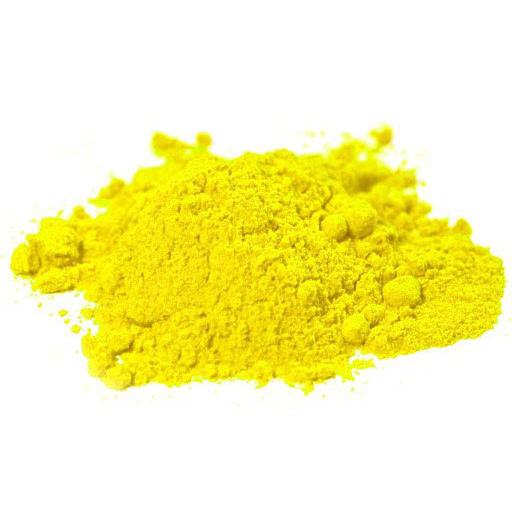
1. Sulfur Dust: Sulfur dust is a finely ground form of elemental sulfur, resembling a powder.
It is often used for dusting or dust-spraying applications to control fungal diseases in crops.
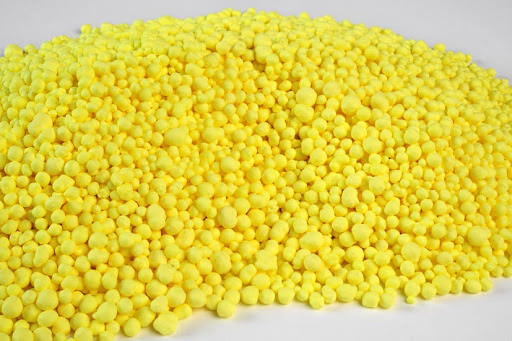
2. Prilled Sulfur: Prilled sulfur refers to elemental sulfur formed into small pellets or prills.
Prills are more uniform in size and shape, making them suitable for spreading and application with fertilizer spreaders.
3. Granular Sulfur: Granular sulfur is formed into larger granules or pellets. These larger particles are typically spread using conventional fertilizer spreaders and are often used as a slow-release sulfur source.
Regardless of the specific form or particle size, agricultural sulfur serves the same purposes in agriculture, such as providing essential sulfur nutrients to plants and helping to control fungal diseases.
Farmers and growers should select the most appropriate form of agricultural sulfur based on their specific needs and application methods.
Proper application rates and following agronomic guidelines are crucial to ensure the effective and safe use of agricultural sulfur.
ESS Sulfur Supplies
- Particle Size Distribution: Micronized sulfur typically has a particle size distribution that ranges from a few micrometers to several tens of micrometers. The exact specifications can vary based on the manufacturer and the intended application.
- Purity: High-quality micronized sulfur should have a high level of purity, often above 99%. The impurity levels may include residual ash, moisture, and other trace elements.
- Appearance: Micronized sulfur is usually a fine, yellowish powder. The exact color may vary depending on the manufacturing process and any additives that are used.
- Bulk Density: The bulk density of micronized sulfur can vary, but it’s typically in the range of 0.6 to 1.0 g/cm³.
- Solubility: Micronized sulfur is insoluble in water and most common organic solvents. This property is often desirable for applications where controlled release of sulfur is required, such as in agricultural products.
- Chemical Reactivity: Micronized sulfur can react with various substances under appropriate conditions, such as forming sulfur dioxide gas when exposed to heat or combustion.
- Application: Micronized sulfur is used in various applications, including agriculture as a fungicide and soil amendment, rubber production to aid in vulcanization, and as a component in chemical processes.
- Sulfur Content: The sulfur content in bentonite sulfur can vary, but it is typically in the range of 85% to 90%. This indicates the amount of elemental sulfur present in the product.
- Bentonite Content: The remaining percentage of the product is usually bentonite clay. The bentonite helps improve the handling and dispersal of the sulfur, making it easier to mix with soil and apply.
- Particle Size Distribution: Bentonite sulfur usually comes in a granulated form with a specific particle size distribution. This distribution is designed to optimize the release of sulfur into the soil over time.
- Appearance: The product typically appears as small, yellowish granules. The color may vary depending on the specific formulation and manufacturing process.
- Sulfur Release Rate: One of the advantages of bentonite sulfur is its controlled release of sulfur into the soil. This gradual release helps ensure a longer-lasting impact on soil fertility and plant health.
- Application Rate: The recommended application rate of bentonite sulfur can vary depending on the soil type, crop, and desired sulfur content in the soil. Application rates are usually specified in pounds or kilograms per acre or hectare.
- pH and Compatibility: Bentonite sulfur products are usually designed to have a neutral pH, which helps prevent adverse effects on soil pH. However, it’s important to ensure compatibility with other soil amendments and fertilizers that you might be using.
- Solubility: Bentonite sulfur is not highly soluble in water. Instead, it relies on microbial activity in the soil to break down the sulfur over time and make it available to plants.
- Safety and Handling: Like any sulfur product, bentonite sulfur should be handled with care. It’s important to follow the manufacturer’s safety guidelines for storage, handling, and application.
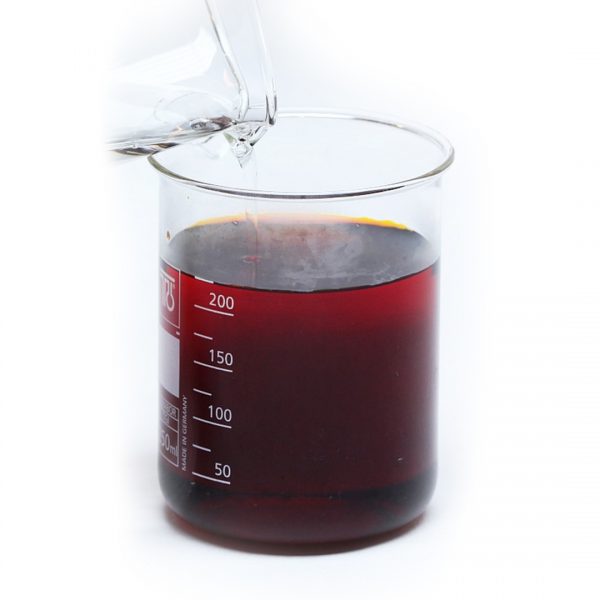
- Sulfur Concentration: The sulfur concentration in liquid sulfur solutions can vary widely based on the intended use. Concentrations typically range from around 5% to 40% or more, depending on the application requirements.
- Liquid Carrier: The carrier liquid used can vary and may include water, oil, or other organic solvents. The choice of carrier depends on the intended application and the solubility of sulfur in the specific liquid.
- Solubility: Sulfur has limited solubility in many liquids, which is why liquid sulfur often takes the form of a suspension rather than a true solution. The suspension contains finely divided sulfur particles dispersed throughout the liquid.
- Particle Size Distribution: The particle size distribution of the sulfur particles in the liquid suspension can impact the stability and effectiveness of the product. Smaller particle sizes tend to stay suspended for longer periods.
- pH: The pH of liquid sulfur can vary depending on the formulation and carrier liquid. It’s important to consider the pH when determining compatibility with other substances or applications.
- Stability: Liquid sulfur suspensions can be prone to settling over time, with the sulfur particles separating from the liquid carrier. Manufacturers may add stabilizers or dispersants to improve the suspension’s stability.
- Application Method: Liquid sulfur can be applied through various methods, including spraying, injection, and mixing with other liquids. The application method affects the equipment and techniques required for effective use.
- Application Rate: The recommended application rate of liquid sulfur depends on the desired sulfur content in the target area, whether it’s soil, water, or an industrial process. Application rates are typically specified in terms of volume or weight per unit area.
- Compatibility: It’s important to consider the compatibility of liquid sulfur with other chemicals, fertilizers, or substances that may be present in the target area. Compatibility testing or expert advice can help ensure safe and effective application.
- Safety and Handling: Liquid sulfur, like other sulfur products, should be handled with care. Safety precautions, including protective clothing and equipment, should be followed during handling and application.
- Sulfur Content: Granular sulfur is nearly pure elemental sulfur, often with a sulfur content of 99% or higher. This indicates that the product is primarily composed of sulfur in its elemental form.
- Granule Size: Granular sulfur comes in various granule sizes, typically ranging from very fine particles to larger granules. The granule size can impact the rate of sulfur release and how easily it can be applied.
- Granule Hardness: The hardness of granular sulfur can vary based on its processing method. Harder granules can resist breaking down too quickly in the soil, providing a slower release of sulfur.
- Purity: High-quality granular sulfur should have a minimal amount of impurities, such as ash, organic matter, and metals.
- Color: Granular sulfur is typically bright yellow in color, reflecting the natural color of elemental sulfur.
- Sulfur Release Rate: Granular sulfur releases sulfur into the soil slowly over time as it reacts with moisture, microbial activity, and other factors. This controlled release helps maintain sulfur availability to plants.
- pH: Granular sulfur can have a slightly acidic effect on the soil due to its sulfur oxidation process. It’s important to consider the impact on soil pH and adjust accordingly if needed.
- Application Method: Granular sulfur can be applied directly to the soil surface or incorporated into the soil using tillage or other methods. Application rates vary based on soil type, crop, and desired sulfur content.
- Application Rate: The recommended application rate of granular sulfur depends on factors such as the current sulfur levels in the soil, the target crop’s sulfur requirements, and the desired increase in sulfur content.
- Compatibility: Granular sulfur is generally compatible with most other soil amendments and fertilizers. However, it’s a good practice to test compatibility before widespread application.
- Safety and Handling: While granular sulfur is relatively safe to handle, precautions should still be taken, such as wearing appropriate protective gear and avoiding inhalation of dust.
- Storage: Proper storage conditions are important to prevent degradation of the product. Granular sulfur should be stored in a cool, dry place away from moisture and direct sunlight.
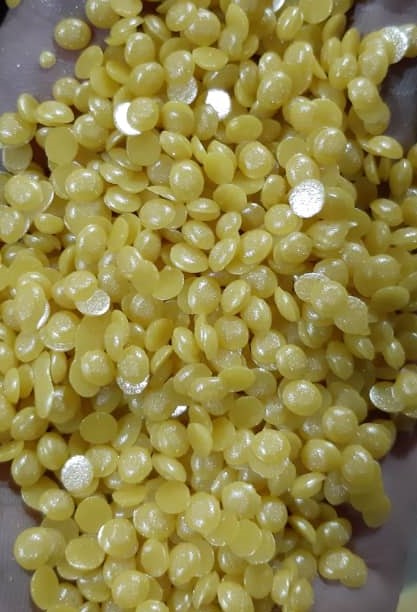
- Sulfur Content: Sulfur pastilles are primarily composed of elemental sulfur, and their sulfur content is typically very high, often exceeding 99%.
- Pastille Size: Sulfur pastilles come in a range of sizes, often specified in terms of diameter. The size can influence how the pastilles are used and handled in various industrial processes.
- Uniformity: High-quality sulfur pastilles should have a consistent size and shape, ensuring even distribution and handling.
- Appearance: Sulfur pastilles are usually bright yellow in color, reflecting the natural color of elemental sulfur.
- Sulfur Release Rate: The rate at which sulfur is released from pastilles depends on factors such as temperature, moisture, and exposure to air. Pastilles release sulfur more slowly compared to powdered or granular sulfur.
- Physical Integrity: Sulfur pastilles are relatively durable and resistant to breaking down during handling and transportation, which is an advantage in industrial applications.
- Melting Point: Sulfur pastilles have a relatively low melting point, allowing them to be melted and incorporated into various processes.
- Application Method: Sulfur pastilles can be added to industrial processes, including chemical reactions and production of various materials. The specific application method depends on the industry and process requirements.
- Storage: Proper storage conditions are important to prevent degradation of the pastilles. They should be stored in a dry place and protected from moisture and temperature extremes.
- Safety and Handling: While sulfur pastilles are generally safe to handle, appropriate precautions should be taken to avoid contact with skin or eyes, and inhalation of dust.
- Compatibility: Sulfur pastilles can react with other substances in certain conditions, so compatibility testing is advisable before using them in new processes.
- Packaging: Sulfur pastilles are typically packaged in bags, containers, or bulk shipments, depending on the volume and requirements of the customer.
- Sulfur Content: Lump sulfur is composed primarily of elemental sulfur, with a sulfur content that can exceed 99%.
- Physical Appearance: Lump sulfur is typically found in irregular-shaped, solid pieces or chunks. Its color is bright yellow due to the presence of sulfur.
- Purity: High-quality lump sulfur should have a minimal amount of impurities, such as ash, metals, and other foreign materials.
- Solubility: Lump sulfur is insoluble in water and most organic solvents, making it suitable for applications where controlled release of sulfur is needed.
- Sulfur Release Rate: Lump sulfur releases sulfur gradually over time when exposed to moisture, microbial activity, and other environmental factors.
- Application Method: Lump sulfur can be used in various industrial processes that require elemental sulfur. It can be melted, vaporized, or otherwise processed to release sulfur for chemical reactions.
- Melting Point: Lump sulfur has a relatively low melting point of around 115°C (239°F), making it relatively easy to melt and incorporate into processes.
- Safety and Handling: While lump sulfur is generally safe to handle, it’s important to take precautions to avoid contact with skin, eyes, and inhalation of dust. Adequate ventilation is also recommended when handling or processing lump sulfur.
- Storage: Lump sulfur should be stored in a dry, cool place to prevent degradation. It’s important to protect it from moisture and temperature extremes.
- Compatibility: Lump sulfur can react with other substances under certain conditions, so compatibility testing is advisable before using it in new processes.
- Packaging: Lump sulfur is typically transported and stored in large bags, containers, or bulk shipments, depending on the volume and requirements.